

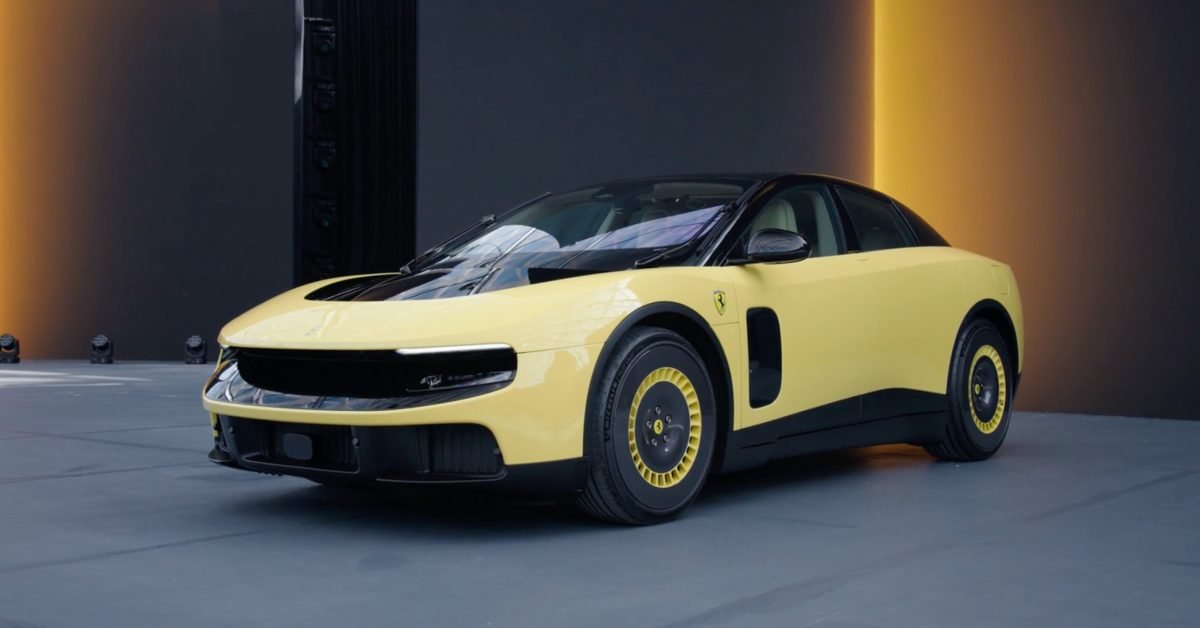
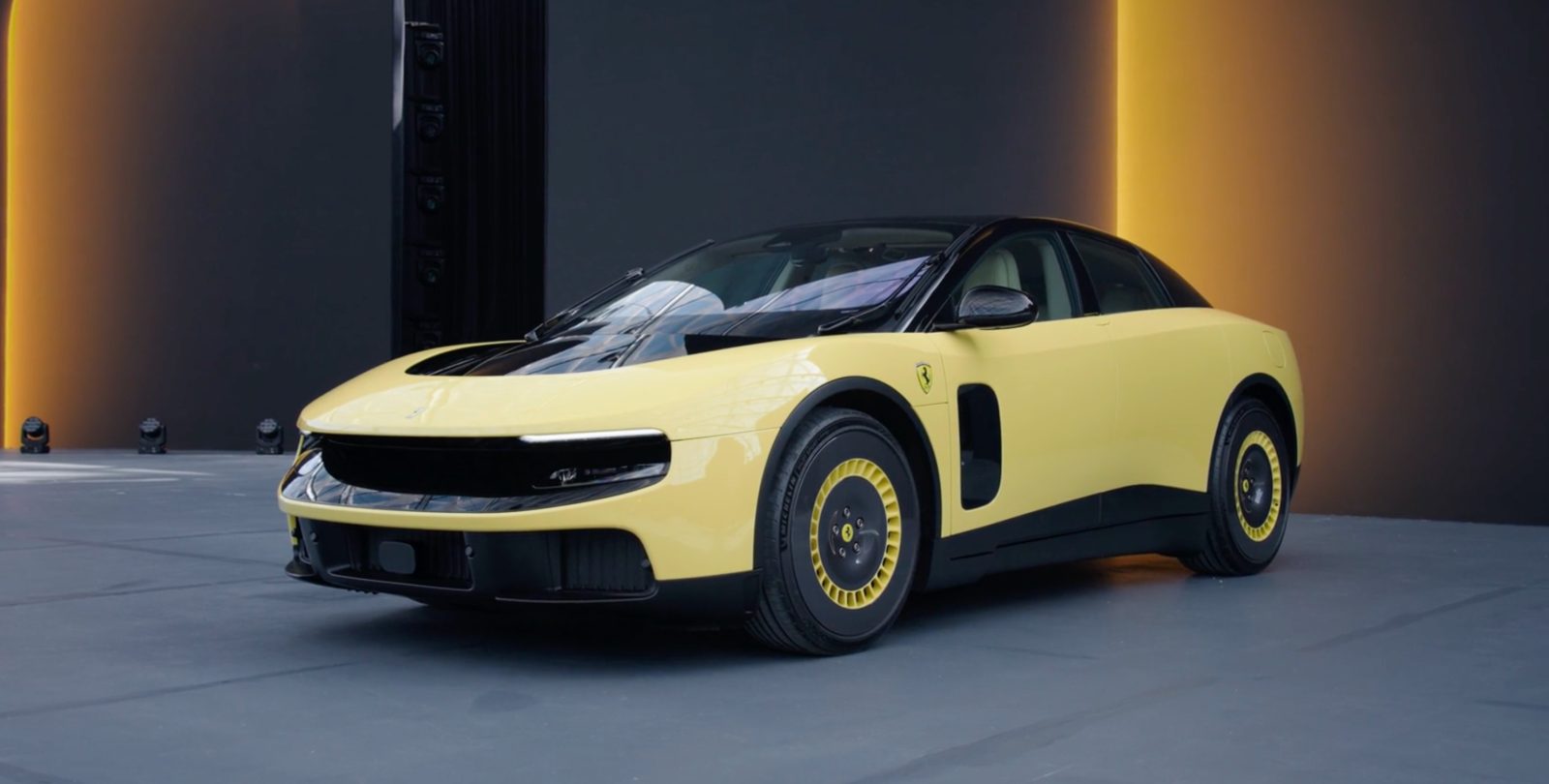
Ferrari has replaced its long-serving chief marketing and commercial officer, Enrico Galliera, just weeks after the rocky debut of the Luce, the automaker’s first electric car.
The company named former BMW Italy boss Massimiliano Di Silvestre as Galliera’s successor, effective July 1, after a launch that wiped roughly 8% off Ferrari’s stock in a single day.
A new face after a bruising launch
Galliera had spent more than 16 years at Ferrari, the last several running marketing and commercial strategy. Ferrari framed his exit as a personal decision to “embark on a new chapter,” and Di Silvestre brings deep luxury-auto credentials from his time leading BMW’s Italian operations.
To be clear, Ferrari has not confirmed that Galliera is leaving because of the Luce. But the timing is hard to ignore. The marketing chief is departing within weeks of the most scrutinized product launch in the company’s modern history, and one that markets reacted to harshly.
We reported that Ferrari’s stock plunged on the Luce reveal, and that the CEO has since insisted the car is still “clocking up orders” despite the design backlash. A leadership change in the marketing seat right after that sequence reads as a response, even if Ferrari won’t say so.
The launch focused everyone on the one new thing
The bigger problem is how the launch was handled.
Ferrari had already revealed the Luce’s name and Jony Ive-designed interior back in February, and the performance specs — roughly 1,000+ hp, around 530 km (329 miles) of range — were public months before the production reveal. By the time the actual unveiling happened in Rome, the only genuinely new element on the table was the exterior design.
So that’s what everyone fixated on. The exterior is polarizing, and predictably it dominated the conversation, spawning memes and “what would Enzo think” reactions across social media. That’s a tough spot to put a product in: drip out everything good in advance, then stage a reveal where the one fresh detail is also the most divisive.
Ferrari’s entire pitch for the Luce is that it isn’t “an electric car” — it’s a Ferrari that happens to be electric, carrying all the driving emotion the brand is built on. But as I noted in our first look at the Luce in Rome, Ferrari didn’t let a single journalist drive it. The one thing that could have backed up the entire narrative — the driving experience — was the one thing it withheld.
Electrek’s Take
The launch was not handled in the perfect way. Let’s just put it like that.
Ferrari gave away the specs and the (genuinely incredible) interior months early, then built a global reveal around the most polarizing element it had: the exterior. And it asked the world to take the most important claim — that this drives like a real Ferrari — purely on faith, because no journalist was allowed behind the wheel. When you do that, you’re handing the narrative to the design critics and the meme accounts. The market reaction and now a marketing leadership change are the logical result.
But I wouldn’t write off Ferrari’s EV ambitions over this. The crucial detail is that CEO Benedetto Vigna is still firmly in place. The Luce is very much his car. Ferrari hired Vigna out of the semiconductor world — 26 years at STMicroelectronics — precisely to push the brand into an electric and software-defined future, and he’s the one who set the electrification plan in motion. A marketing chief changing seats is one thing. The architect of the strategy staying put is what actually matters.
As long as Vigna is running the company, I have hope that Ferrari stays the course on electrification — and maybe learns that the next time you build a car around driving emotion, you let people drive it.
If you’re considering an EV — even a $640,000 one — powering it at home with solar is one of the smartest ways to lock in low running costs for years. With electricity rates climbing nearly 10% last year, home solar protects you against future rate increases. And with lease and PPA options, you can go solar with zero upfront cost and start saving immediately. If you want to find the best deal, check out EnergySage. It’s a free service with hundreds of pre-vetted installers competing for your business, so you save 20 to 30% compared to going it alone. No sales calls until you pick an installer. Get your free quotes here.


FTC: We use income earning auto affiliate links. More.