

3 min readNew DelhiJun 25, 2026 10:00 PM IST
Almost all of us are guilty of using concentrated antiseptic liquids on our wounds. But digital creator Ruchi, an emergency response specialist and trainer who goes by @thepanicprofessor on Instagram, shared an informative video highlighting common mistakes people make when using them during medical crises.
“At full concentration, its main component, Chloroxylenol is corrosive, and cannot differentiate between healthy cells and bacteria. So it ends up killing both, including the ones required for your skin’s healing,” she explained, adding that when diluted correctly, it does its job. Undiluted, it slows down the very healing it’s meant to help with.

DISCLAIMER: This article is based on information from the public domain and/or the experts we spoke to. Always consult your health practitioner before starting any routine.
Ruchi added that the liquid should be diluted with water in a 1:20 ratio. But what do experts make of this recommendation?
Dr Brunda M S, Sr. Consultant – Internal Medicine, Aster CMI Hospital, Bangalore, says that antiseptic liquids are useful for cleaning minor cuts, scrapes, and wounds, but they should always be used according to the instructions on the label. Here’s what you should keep in mind before using them correctly.
Before applying an antiseptic, Dr Brunda suggests washing your hands, gently cleaning the affected area with clean water, and then applying the recommended amount to help reduce the risk of infection. “It is important to avoid using antiseptics on deep wounds, severe burns, or large areas of skin without medical advice,” she reiterates.
Common mistakes to note
According to her, a common mistake people make is using antiseptic liquids too frequently or in excessive amounts, thinking it will speed up healing. But Dr Brunda warns that overuse can sometimes irritate the skin, delay wound healing, and cause dryness or redness. “Another mistake is applying antiseptics directly into deep wounds or mixing different antiseptic products, which may lead to skin reactions and discomfort,” she tells indianexpress.com.
“People should also avoid using expired antiseptic liquids, touching the bottle opening with unclean hands, or covering a wound immediately without allowing the antiseptic to dry if instructed,” warns Dr Brunda.
Story continues below this ad
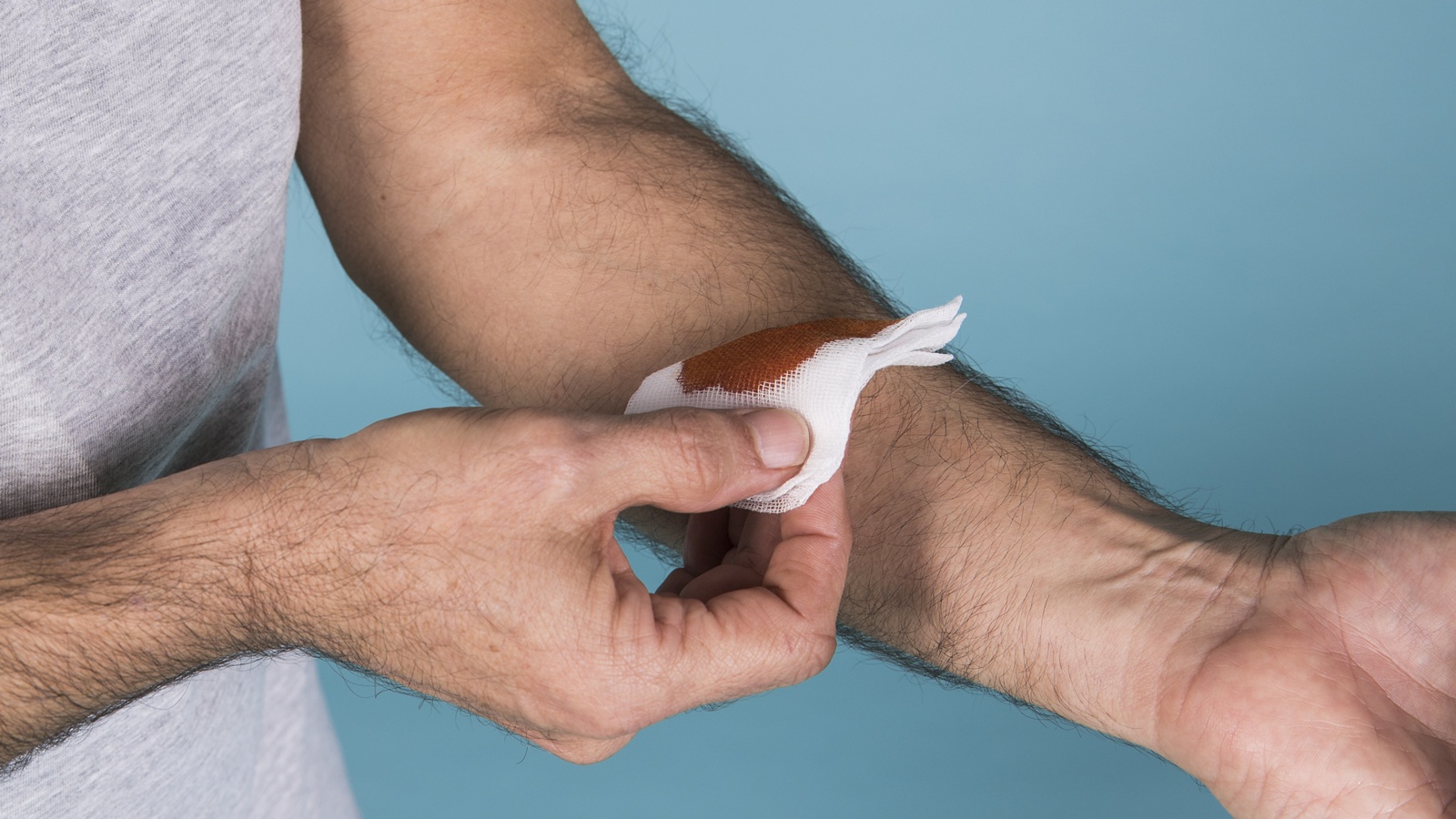 Removing dirt and debris is the first and most important step. (Magnific)
Correct usage
As per experts, here’s how much antiseptic liquid you actually need:
Bathing – 5ml to a bucket of water (10 litres)
First aid– 15ml to 300ml of water (1:20 ratio)
Shaving – 15ml to 300ml of water
Nappy wash – 12.5ml to 500ml of water
Dr Brunda adds that some individuals mistakenly use antiseptics as a substitute for proper wound cleaning, when in fact removing dirt and debris is the first and most important step. Following the product instructions carefully and seeking medical attention for serious injuries can help ensure safe and effective wound care.
DISCLAIMER: This article is based on information from the public domain and/or the experts we spoke to. Always consult your health practitioner before starting any routine.