

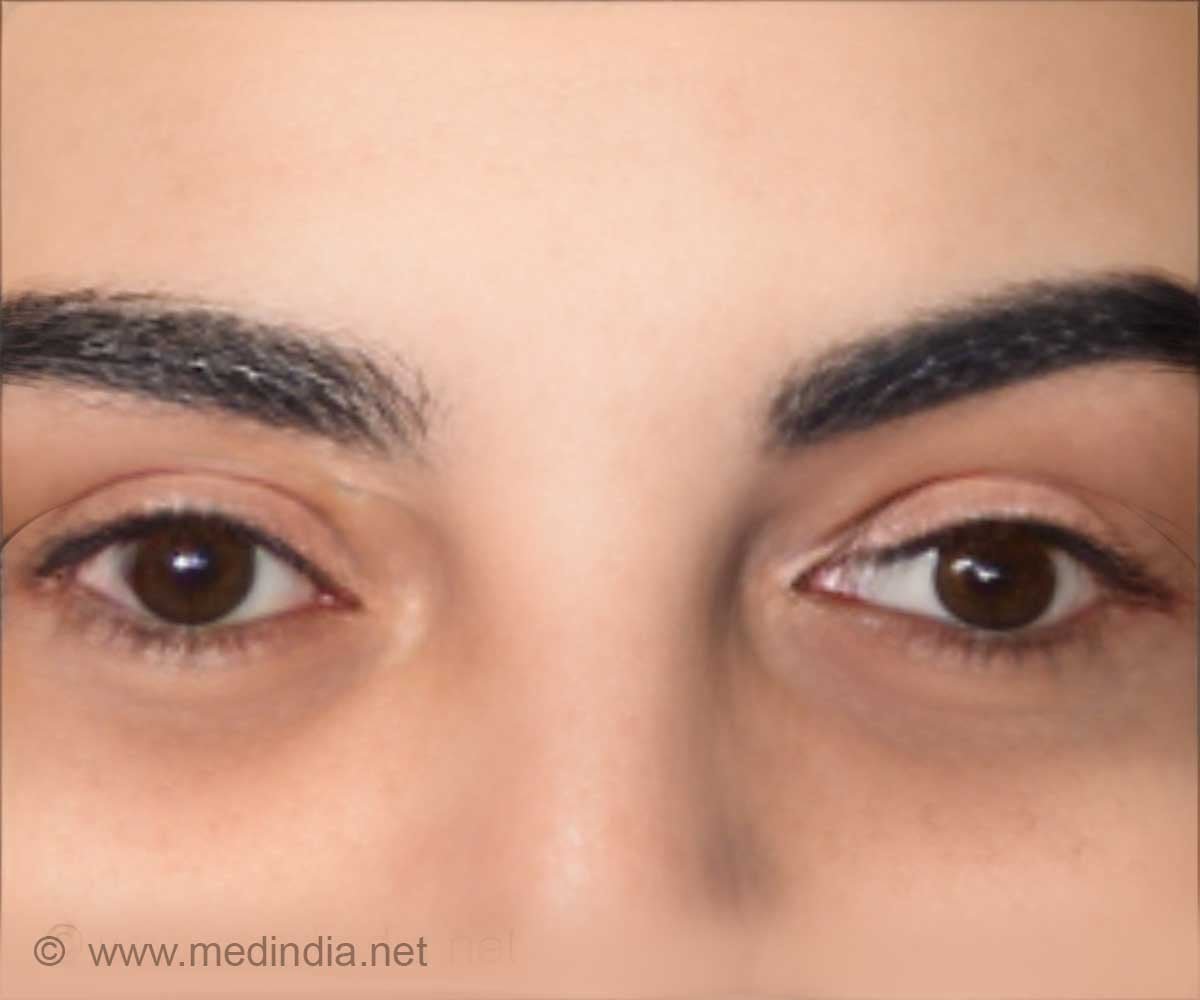
El Salvador has become the first country in Central America to eliminate trachoma as a public health problem, following targeted assessments, stronger surveillance and improved eye health services.
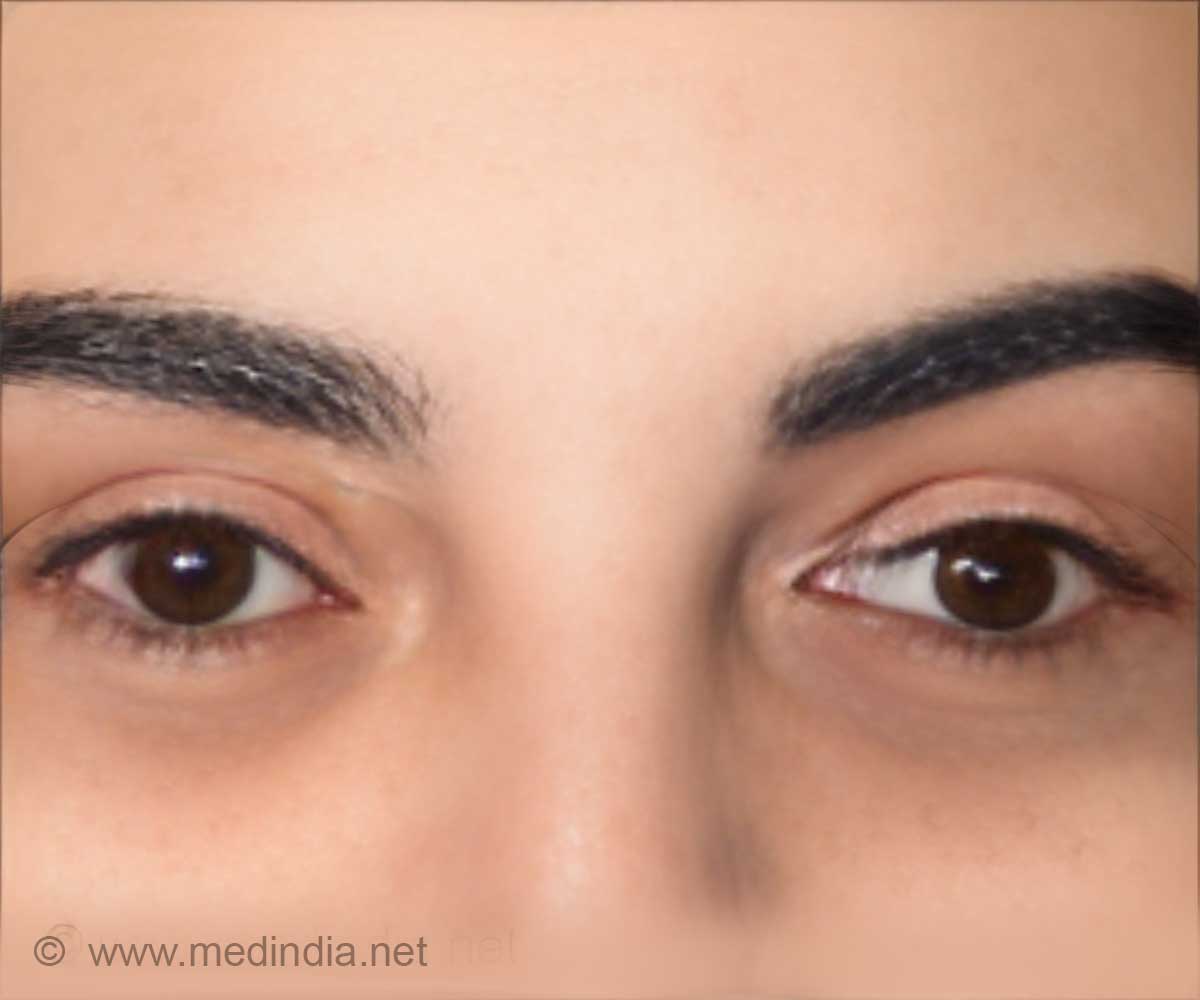
Can a country stop the world’s leading infectious cause of blindness from remaining a public health threat?
El Salvador has now shown that it can be done. The World Health Organization has validated the country as having eliminated trachoma as a public health problem, making it the first country in Central America and the second in the Americas to achieve this milestone.
Advertisement
What is trachoma?
Trachoma is a bacterial eye infection caused by Chlamydia trachomatis. It spreads through contact with eye and nose discharge from infected people, including through contaminated fingers, clothing, bedding and flies.(1✔ ✔Trusted Source
Trachoma
)
The disease is closely linked to poor hygiene, overcrowded living conditions and inadequate access to water and sanitation.
Repeated infections can scar the inside of the eyelid and cause the eyelashes to turn inward, a painful condition known as trichiasis. If untreated, trichiasis can damage the cornea and lead to irreversible blindness.
Advertisement
El Salvador Reached a Major Eye Health Milestone
WHO validated El Salvador after targeted assessments were conducted between 2023 and 2026 in communities considered at higher environmental and social risk.
The surveys found no evidence of active trachoma transmission. No active disease was detected in children, and no adults were found to have advanced trachoma capable of causing blindness.
These findings confirmed that trachoma is no longer a public health problem in the country.
Advertisement
Strong Primary Care and Sanitation Helped Drive Progress
El Salvador’s achievement was supported by a coordinated public health approach.
The country strengthened primary healthcare services, improved water, sanitation and hygiene measures, and expanded eye health services. Adult vision screening was also included as part of broader eye care efforts.(2✔ ✔Trusted Source
El Salvador validated by WHO as having eliminated trachoma as a public health problem
The achievement involved collaboration between government agencies, communities and international partners.
This shows that eliminating trachoma requires more than treating eye infections alone. It also depends on improving the conditions that allow the disease to spread.
Health Systems Can Still Detect and Treat Trichiasis
WHO validation also requires a functioning health system that can identify and manage new trichiasis cases if they occur. El Salvador has trained health personnel, integrated surveillance systems and the capacity to detect and treat trichiasis.
This is important because elimination as a public health problem does not mean surveillance can stop. Health systems must remain prepared to detect possible new cases and prevent the disease from re-emerging.
WHO Uses Three Criteria for Trachoma Elimination
WHO defines elimination of trachoma as a public health problem based on three key criteria.
- Trichiasis prevalence must be less than 0.2% among people aged 15 years and older.
- Active trachoma prevalence must be less than 5% among children aged 1 to 9 years in every formerly endemic district.
- A country must also have a health system capable of identifying and managing new trichiasis cases.
El Salvador met these requirements, allowing WHO to validate the country’s elimination status.
Trachoma Still Persists in Parts of the Americas
Although El Salvador has achieved this milestone, trachoma remains a public health problem in some parts of the Americas.
The disease continues to be endemic in rural and remote areas of Brazil, Colombia, Guatemala and Peru.
WHO recommends that countries which have eliminated trachoma continue surveillance and ensure access to quality eye care services. This helps prevent the disease from returning, especially in communities where poverty, poor sanitation and limited hygiene access may increase risk.(2✔ ✔Trusted Source
El Salvador validated by WHO as having eliminated trachoma as a public health problem
El Salvador Joins Global Neglected Disease Elimination Progress
With this achievement, El Salvador joins 64 countries worldwide that have been validated by WHO for eliminating at least one neglected tropical disease. Seven of these countries are in the America.
The milestone also supports the global goal of eliminating trachoma as a public health problem worldwide by 2030.
El Salvador’s Success Shows the Value of Community Health Investment
El Salvador’s success highlights the importance of political commitment, community engagement, surveillance, sanitation and accessible eye care.
The country’s progress shows that infectious blindness can be prevented when health systems work closely with communities. For other countries where trachoma remains a threat, the message is clear: elimination is possible, but it requires sustained action beyond treatment alone.
Clean water, sanitation, hygiene, trained health workers and strong surveillance remain central to preventing trachoma-related blindness.
References:
- Trachoma.- (https://www.who.int/news-room/fact-sheets/detail/trachoma)
- El Salvador validated by WHO as having eliminated trachoma as a public health problem- (https://www.who.int/news/item/13-07-2026-el-salvador-validated-by-who-as-having-eliminated-trachoma-as-a-public-health-problem#:~:text=The%20World%20Health%20Organization%20(WHO,Salvador%20on%20this%20remarkable%20achievement)
Source-Medindia