

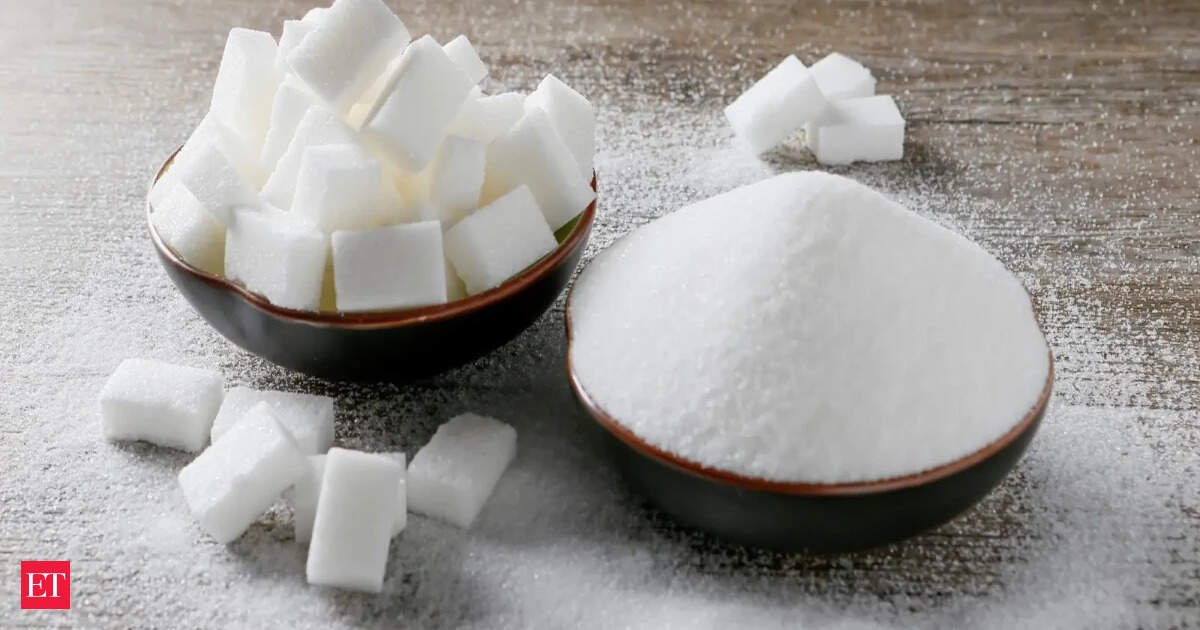
“If sugarcane production next year remains similar to the current year, the government may want to replenish sugar stocks to avoid shortages. This could lead to a substantial fall in the production of sugar-based ethanol,” said GK Sood, chairman of KN Agri Resources. India currently sells E20 petrol, which includes 20% ethanol. Nearly half of ethanol in India is produced from sugar, molasses or directly from sugarcane.
Also Read: Ethanol blending programme safe, use of E20 won’t affect vehicle insurance validity: Govt
At a recent industry event organised by the All India Sugar Traders Association (AISTA), sugar experts expressed concerns over tightening supplies of the sweetener. With closing sugar stocks expected at 3.5 million metric tonnes or lower on September 30, 2026, and little production anticipated in October, the September-November period could be challenging, they said. Sugar production may only be sufficient to meet domestic demand, limiting diversion to ethanol as any surplus is likely to be used to rebuild stocks. “The sugar balance sheet for 2025-26 looks tight. It will be a challenge for the government to balance food and fuel demand due to El Nino. I will not be surprised if the government acts cautiously about allowing diversion of sugar for ethanol,” said AISTA chairman Praful Vithlani.
Also Read: Ethanol transition can shift to “Transport Energy Backbone” to shield India from oil shocks: KPMG

According to industry estimates, ethanol demand for E20 blending is expected to rise to 13.2 billion litres (BL) in 2026-27 from 12.3 BL in 2025-26, including demand from private oil marketing companies (OMCs). Demand from other alcohol-consuming sectors is estimated to be 4 BL.
Industry observers said sugarcane production has typically declined in years following an El Nino event. “Even if maize supplies remain stable, the government may have to divert significantly more rice for ethanol production than in the current year to meet the E20 blending target,” said Sood.