

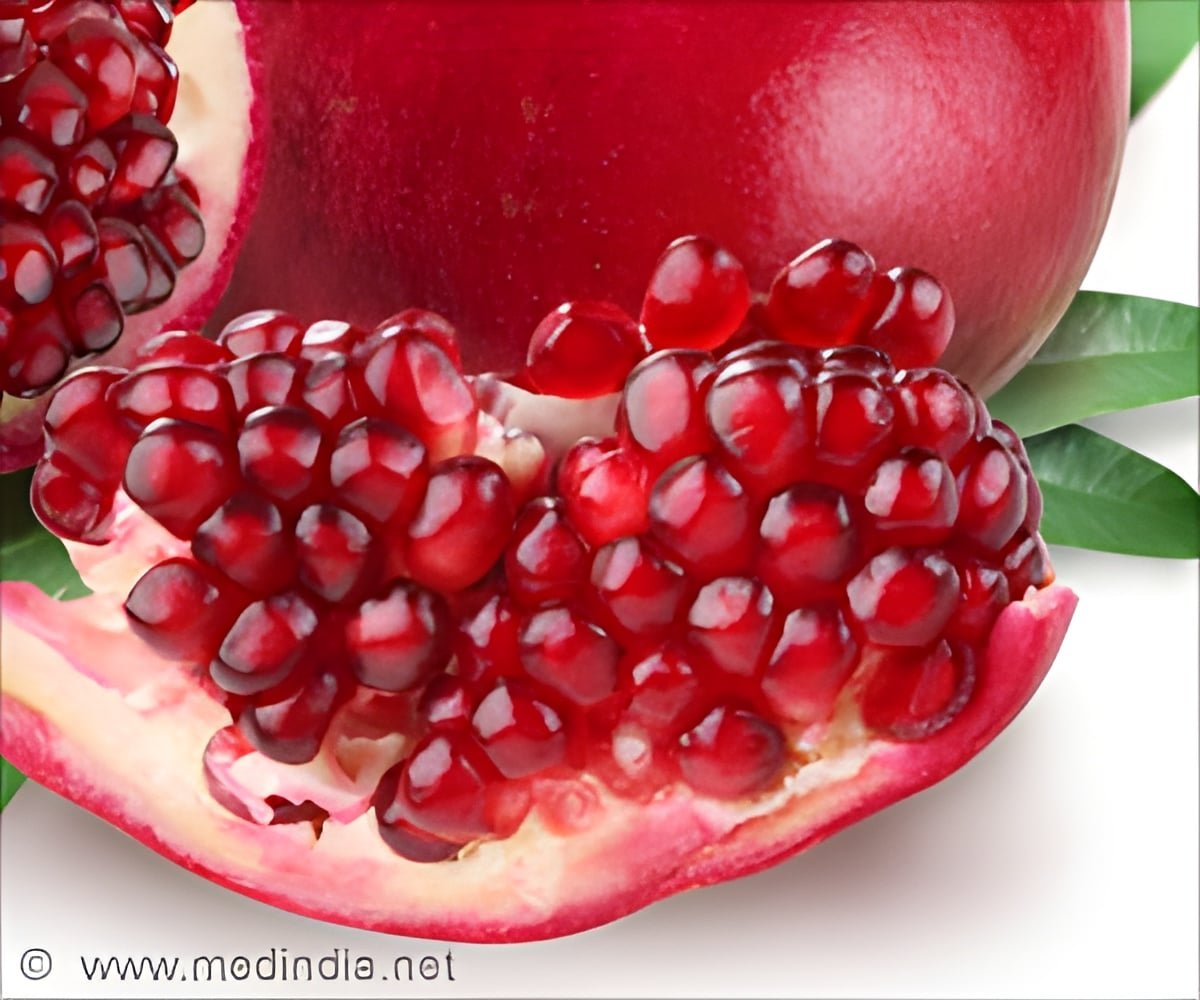
A viral claim says eating one pomegranate every day can fight or prevent cancer.
Research shows promising effects in laboratory and animal studies, but human evidence remains limited and inconclusive.
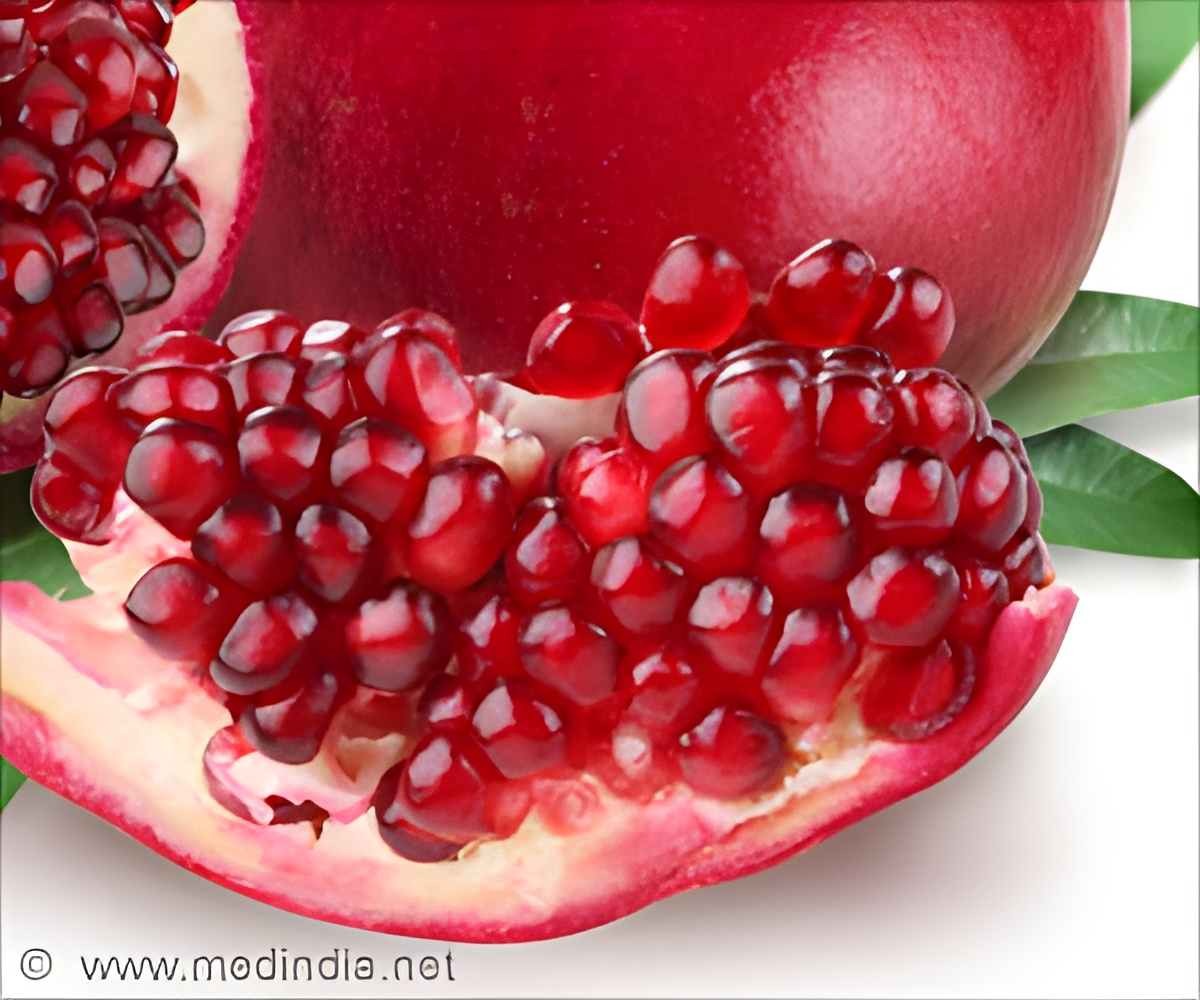
- Lab and animal studies show potential anticancer effects from pomegranate compounds
- Human studies have produced mixed and inconclusive results
- Pomegranate can be part of a healthy diet but is not a cancer treatment
A viral video claiming that eating one pomegranate every day can help fight cancer has sparked attention online.
The video suggests that pomegranate may slow the growth of cancer cells and could be particularly beneficial for people with prostate cancer, while also offering protection against breast, colon and skin cancers.
But how much of this claim is actually supported by scientific evidence?
Research does show that compounds in pomegranate have shown anticancer effects in laboratory and animal studies. However, human clinical evidence does not currently support the claim that eating pomegranate daily can prevent or treat cancer, with studies in people showing mixed or inconclusive results.
Experts therefore recommend enjoying pomegranate as part of a healthy, balanced diet rather than relying on it as a cancer-fighting food or treatment.
Advertisement
What Have Studies Found About Pomegranate and Cancer?
The research becomes clearer when the findings are separated from what they do not yet prove. The studies below show why pomegranate is being investigated, while also making clear that most of the evidence is still experimental.
Key Findings from Recent Pomegranate Cancer Research
| Source | What researchers found | What this means |
|---|---|---|
| 2023 study – Journal of Nutritional Biochemistry (1✔ ✔Trusted Source Targeted tumor killing by pomegranate polyphenols: Pro-oxidant role of a classical antioxidant ) |
Pomegranate fruit extract reduced tumor growth in mice and slowed the movement of triple-negative breast cancer cells in laboratory experiments. | The extract showed anticancer activity in experimental models, but this does not show that eating pomegranate stops cancer in people. |
| 2025 review – Food Science & Nutrition, Abdur Rauf and colleagues (2✔ ✔Trusted Source The Role of Pomegranate ( Punica granatum ) in Cancer Prevention and Treatment: Modulating Signaling Pathways From Inflammation to Metastasis ) |
Pomegranate fruit, juice, oil, and extracts showed effects linked to cancer cell growth and inflammation and the formation of new blood vessels. | Pomegranate contains compounds worth studying, but these findings mainly come from experimental research. |
| 2025 breast cancer systematic review (3✔ ✔Trusted Source Anticancer effects of pomegranate extract on breast cancer cell lines: a systematic review of the literature ) |
Most of the 15 eligible studies reported that pomegranate extracts could slow the growth of breast cancer cells through different biological pathways. | The results are promising, but more research is needed to know whether the same effects occur in people with breast cancer. |
| 2026 Phytotherapy Research review (4✔ ✔Trusted Source Pomegranate in Cancer Therapy: A Review of Anticancer Potential, Mechanisms and Clinical Challenges in Breast, Colon and Prostate Cancers ) |
The review found promising evidence across cancers, including breast, colon, and prostate cancer, but highlighted major gaps in human clinical research. | There is still not enough evidence to say that eating pomegranate can prevent or treat cancer. |
Advertisement
Could Pomegranate Affect Tumor Blood Vessel Growth?
Pomegranate has attracted research interest because some of its compounds may affect angiogenesis, the process through which new blood vessels form and help tumors receive oxygen and nutrients.
The systematic review, published in Molecular Nutrition & Food Research, reviewed 14 preclinical studies. The cancer studies tested pomegranate preparations such as juice, peel extracts and seed oil (5✔ ✔Trusted Source
Pomegranate Extracts as Dual Regulators of Angiogenesis: A Systematic Review of Preclinical Evidence in Cancer and Chronic Wound Healing
- Blood-vessel growth: Pomegranate extracts were linked to lower VEGF, a molecule involved in forming new blood vessels.
-
Cancer models: The extracts also reduced other laboratory markers related to angiogenesis. -
What this means: These findings suggest that pomegranate compounds may affect processes involved in tumor blood-vessel formation. - Important limitation: The evidence came from laboratory and animal studies, not human cancer patients.
So, the research is promising but does not prove that eating pomegranate or drinking its juice can block a tumor’s blood supply in people.
Advertisement
What Health Benefits Does Pomegranate Offer?
According to the Cleveland Clinic, pomegranate is a nutrient-rich fruit that can be a useful part of a healthy, plant-based diet (6✔ ✔Trusted Source
The Health Benefits of Pomegranates
).
- Rich in antioxidants: Pomegranates contain antioxidant compounds that can help protect cells from oxidative damage.
- May support heart health: Research has investigated possible effects of pomegranate and its juice on factors such as blood pressure and cholesterol.
- May support prostate health: Some studies suggest compounds in pomegranate may affect the growth and movement of prostate cancer cells. However, pomegranate should not be considered a cancer treatment.
- Whole fruit is a good choice: Eating the seeds provides fiber and makes whole pomegranate a useful addition to a balanced diet.
What Nutrients Does Pomegranate Provide?
Pomegranate provides several nutrients while remaining relatively low in calories (7✔ ✔Trusted Source
Complete Nutritional Information of ‘Pomegranates’
).
Nutritional Profile of Pomegranate
| Nutrient | Amount per 100 g |
|---|---|
| Calories | 83 kcal |
| Carbohydrates | 19 g |
| Natural sugars | 14 g |
| Dietary fiber | 4 g |
| Protein | 2 g |
| Fat | 1 g |
| Vitamin C | 10 mg |
| Vitamin K | 16 mcg |
| Folate | 38 mcg |
| Potassium | 236 mg |
| Calcium | 10 mg |
| Phosphorus | 36 mg |
Is Eating Pomegranate Better Than Drinking Its Juice?
If someone wants to eat pomegranate as part of a healthy diet, the whole fruit is the better choice than relying on juice, according to Harvard Health Publishing (8✔ ✔Trusted Source
Fruit of the month: Pomegranate
).
Pomegranate juice has substantial antioxidant activity, but consuming the fruit itself is better because eating the seeds provides the fiber.
This is an important distinction when considering the viral recommendation to consume pomegranate every day. There is no evidence establishing that eating one pomegranate daily prevents cancer.
The practical takeaway is much simpler: whole pomegranate can be a nutritious addition to a balanced diet, but it should be viewed as food, not medicine.
Frequently Asked Questions
Q: Can Eating Pomegranate Every Day Prevent Cancer?
A: There is currently no reliable human evidence showing that eating one pomegranate every day prevents cancer.
Q: Does Pomegranate Kill Cancer Cells?
A: Pomegranate extracts and compounds have affected cancer cells in laboratory studies, but this does not prove that eating the fruit kills cancer cells in people.
Q: Is Pomegranate Good for People With Cancer?
A: Pomegranate can be part of a balanced diet, but it should not be considered a cancer treatment or used instead of recommended medical care.
Q: Is Pomegranate Juice as Beneficial as the Whole Fruit?
A: The whole fruit provides dietary fiber that juice generally lacks. Both can contain beneficial plant compounds, but neither has been proven to prevent cancer.
Q: Which Cancers Have Been Studied With Pomegranate?
A: Research has examined pomegranate in relation to prostate, breast and colon cancer, among others. Much of the evidence remains experimental.
Q: Does Pomegranate Have Anticancer Properties?
A: Some pomegranate compounds have shown anticancer effects in laboratory and animal research. Whether these effects translate into meaningful cancer prevention or treatment in humans remains uncertain.
Q: Should People With Cancer Eat Pomegranate?
A: People can generally include nutritious fruits such as pomegranate in a balanced diet, but those undergoing cancer treatment should discuss dietary changes, supplements or concentrated extracts with their healthcare team.
References:
- Targeted tumor killing by pomegranate polyphenols: Pro-oxidant role of a classical antioxidant – (https://www.sciencedirect.com/science/article/abs/pii/S0955286323000177)
- The Role of Pomegranate ( Punica granatum ) in Cancer Prevention and Treatment: Modulating Signaling Pathways From Inflammation to Metastasis – (https://pmc.ncbi.nlm.nih.gov/articles/PMC11782917/)
- Anticancer effects of pomegranate extract on breast cancer cell lines: a systematic review of the literature – (https://link.springer.com/article/10.1007/s44337-025-00193-0)
- Pomegranate in Cancer Therapy: A Review of Anticancer Potential, Mechanisms and Clinical Challenges in Breast, Colon and Prostate Cancers – (https://pmc.ncbi.nlm.nih.gov/articles/PMC13436239/#ptr70382-sec-0016)
- Pomegranate Extracts as Dual Regulators of Angiogenesis: A Systematic Review of Preclinical Evidence in Cancer and Chronic Wound Healing – (https://onlinelibrary.wiley.com/doi/10.1002/mnfr.70060)
- The Health Benefits of Pomegranates – (https://health.clevelandclinic.org/pomegranate-benefits)
- Complete Nutritional Information of ‘Pomegranates’ – (https://foodnutrients.org/nutrients/pomegranates/)
- Fruit of the month: Pomegranate – (https://www.health.harvard.edu/heart-health/fruit-of-the-month-pomegranate)
Source-Medindia