

3 min readNew DelhiMay 22, 2026 05:55 PM IST
How can diabetics make their air travel more mindful? If Dr Vijay Negalur, HoD of diabetology at KIMS Hospitals, Thane, is to be believed, air travel disrupts routine. “You may eat at odd hours, sleep poorly, move less, and consume more packaged or sugary foods than usual. Even mild dehydration during flights can make blood sugar fluctuate. Many people focus only on the destination and forget that the journey itself can stress the body metabolically,” described Dr Negalur.
Skipping meals and then grabbing quick “airport snacks” loaded with sugar and refined carbs is a strict no-no. “Pastries, sweetened coffee, packaged juices, and fast food can spike glucose rapidly. It’s always smarter to carry balanced snacks like nuts, roasted chana, fruit, or a sandwich to avoid sudden hunger-driven choices,” said Dr Negalur.

DISCLAIMER: This article is based on information from the public domain and/or the experts we spoke to. Always consult your health practitioner before starting any routine.
Does sitting for long hours during flights worsen sugar control?
Yes, stressed Dr Negalur, adding that sitting continuously “slows circulation and reduces glucose utilisation by muscles”. “Even short walks inside the cabin every hour or simple ankle and calf movements while seated can help maintain better circulation and support sugar control, especially on long-haul flights,” said Dr Negalur.
How important is hydration during air travel?
It is crucial for long-haul travel. “Cabin air is extremely dry, which increases the risk of dehydration. When the body is dehydrated, blood sugar levels can become more concentrated and harder to regulate. Water should be the main beverage during travel. Sugary sodas, excessive caffeine, and alcohol can worsen dehydration further,” mentioned Dr Negalur.
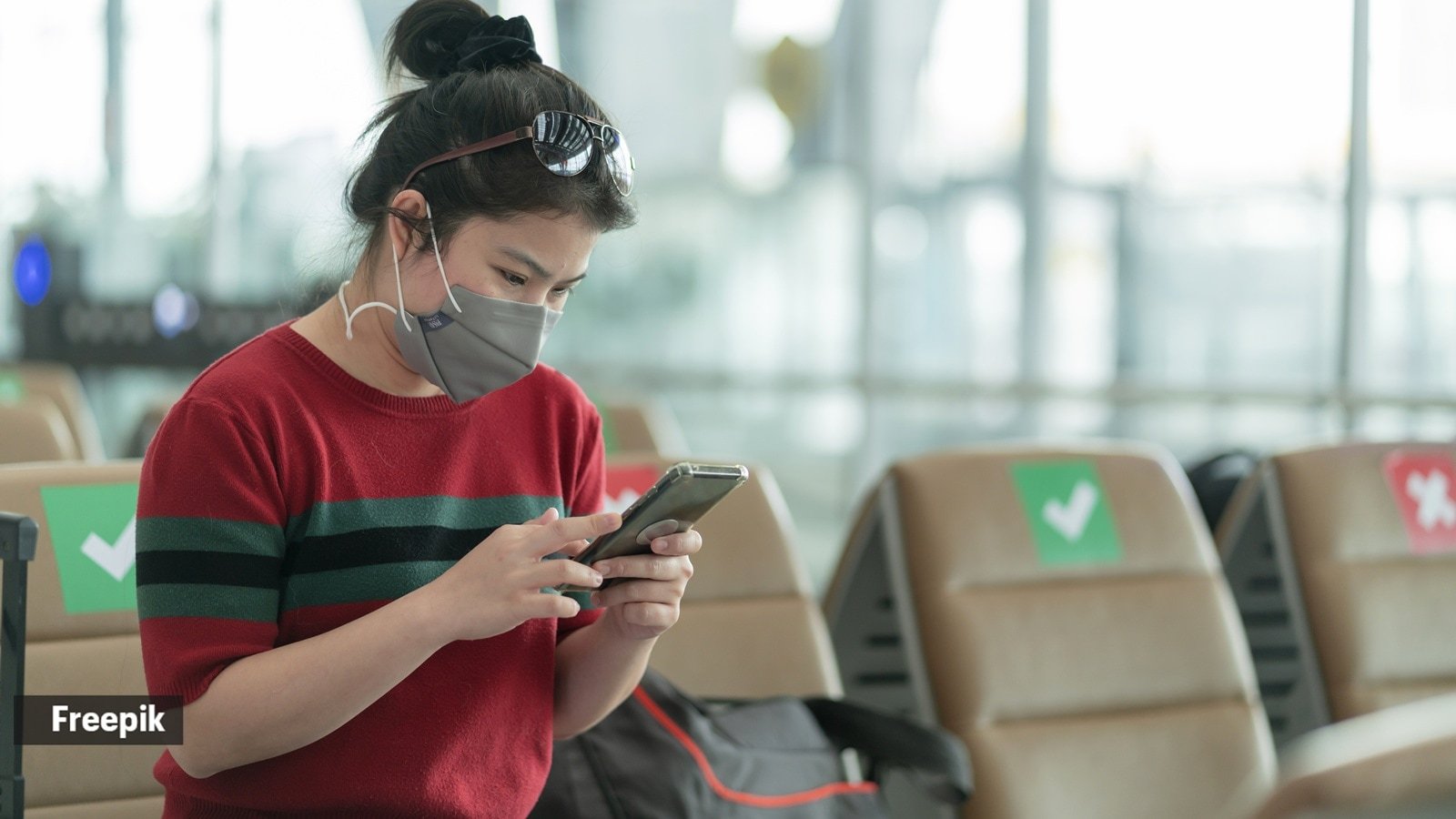
 It os necessary to pay attention to one’s readings (Photo: Freepik)
Precautions to follow
Medicines, insulin, glucometers, and snacks should always stay in cabin baggage; never in check-in luggage. “Delays, lost baggage, or temperature changes can create unnecessary risks. People travelling across time zones should also discuss insulin timing adjustments with their doctor beforehand,” apprised Dr Negalur.
What is the simplest advice diabetologists give diabetic travellers?
Do not “pause” diabetes care during vacations. “Small habits like timely meals, movement, hydration and proper sleep often make the biggest difference during travel,” said Dr Negalur.
Story continues below this ad
DISCLAIMER: This article is based on information from the public domain and/or the experts we spoke to. Always consult your health practitioner before starting any routine.