

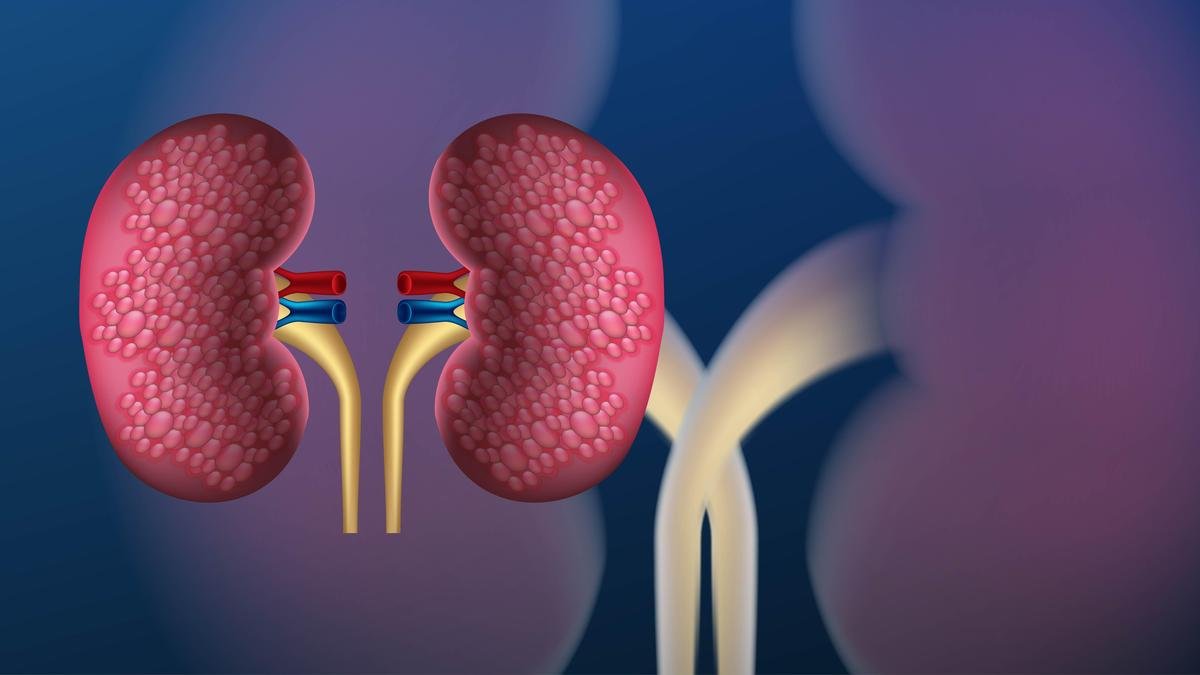
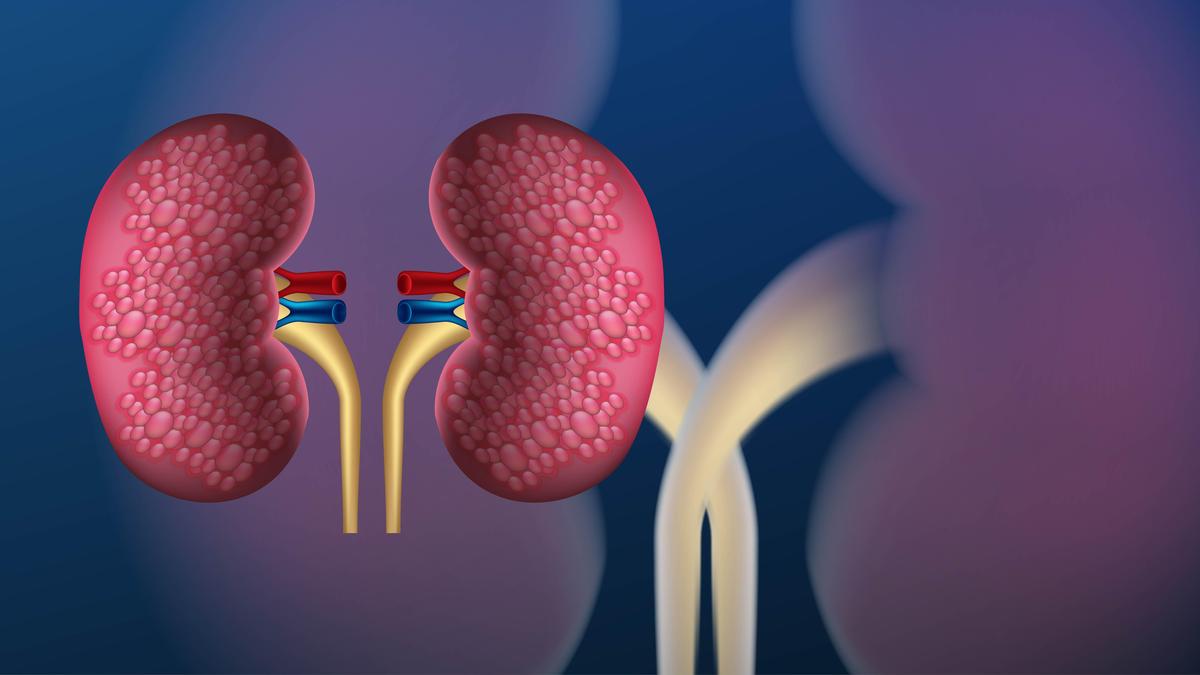
The incidence of kidney stones in Indian children, once extremely rare, has risen significantly over the past decade, with some doctors reporting that cases have doubled during this period |Image used for representational purpose only
| Photo Credit: File Photo
Not long ago, a 9-year-old walked into my clinic in Chennai doubled over with flank pain. Her ultrasound and further work up showed a 7mm kidney stone — the kind I routinely see in adulthood. This is no longer a rare encounter. Over the past decade, paediatric urology wards across India are seeing something once considered almost anomalous: kidney stones in school-going children.
Globally, the incidence of nephrolithiasis (kidney stones) in children is rising sharply and the composition tells its own story. Calcium oxalate stones, classically an adult type, now dominate paediatric presentations. This isn’t simply better detection — it points to something in our children’s lives that has changed.

The drivers
The most significant driver is chronic poor hydration. Children in warm climates like Chennai are particularly vulnerable. They lose fluids rapidly but rarely drink enough water, often substituting it instead with aerated drinks and sports beverages loaded with fructose and sodium. Concentrated urine is an ideal medium for crystal nucleation leading, predictably, to stone formation.
The issue is made worse by diet. Urinary calcium excretion is driven by high sodium intake, which is common in processed snacks and fast food. Excess fructose increases the amounts of oxalate and uric acid in the urine. When combined, these produce a metabolic state that was previously exclusive to individuals with decades of bad habits.
Childhood obesity and sedentary routines add another layer. Reduced physical activity alters calcium and oxalate metabolism much as it does in adults with metabolic syndrome.

What parents miss
One counter-intuitive point that parents often miss: restricting calcium intake does not protect against kidney stones. In fact, low dietary calcium increases intestinal oxalate absorption paradoxically raising the risk of calcium oxalate stones. Children need adequate dairy and calcium-rich foods.
Genetics cannot be ignored. A family history of stones significantly elevates a child’s risk. Certain inherited metabolic conditions primary hyperoxaluria, cystinuria and hypercalciuria increase the risk, and warrant dedicated metabolic workup.
Because children cannot always articulate what they feel, stones in this age group are frequently missed or misattributed. Recurrent abdominal or flank pain, burning urination, blood in the urine, repeated urinary tract infections and unexplained vomiting in younger children should all prompt suspicion. A renal ultrasound is the recommended first investigation
The long-term consequences are real. Stone disease in a child carries a lifetime recurrence risk, potential for urinary obstruction, renal scarring, and in some cases progression towards chronic kidney disease.

Prevention matters
The good news is that most paediatric stones are preventable. The prescription is effective: plenty of water, at least 1.5 to 2 litres a day depending on age and climate. Reducing salt and processed food intake, maintaining a balanced diet with adequate calcium and encouraging physical activity form the rest of the foundation.
When adult diseases begin appearing in children, it signals something broader. Our children are absorbing the consequences of lifestyle shifts their generation did not choose. Recognising this early and acting on it remains within every parent’s reach.
(Dr. Arun Kumar Balakrishnan is managing director, chief consultant urologist, robotic surgeon & uro-oncologist at Asian Institute of Nephrology and Urology, Chennai. drarunkumar@ainuindia.com)
Published – May 20, 2026 12:26 pm IST