

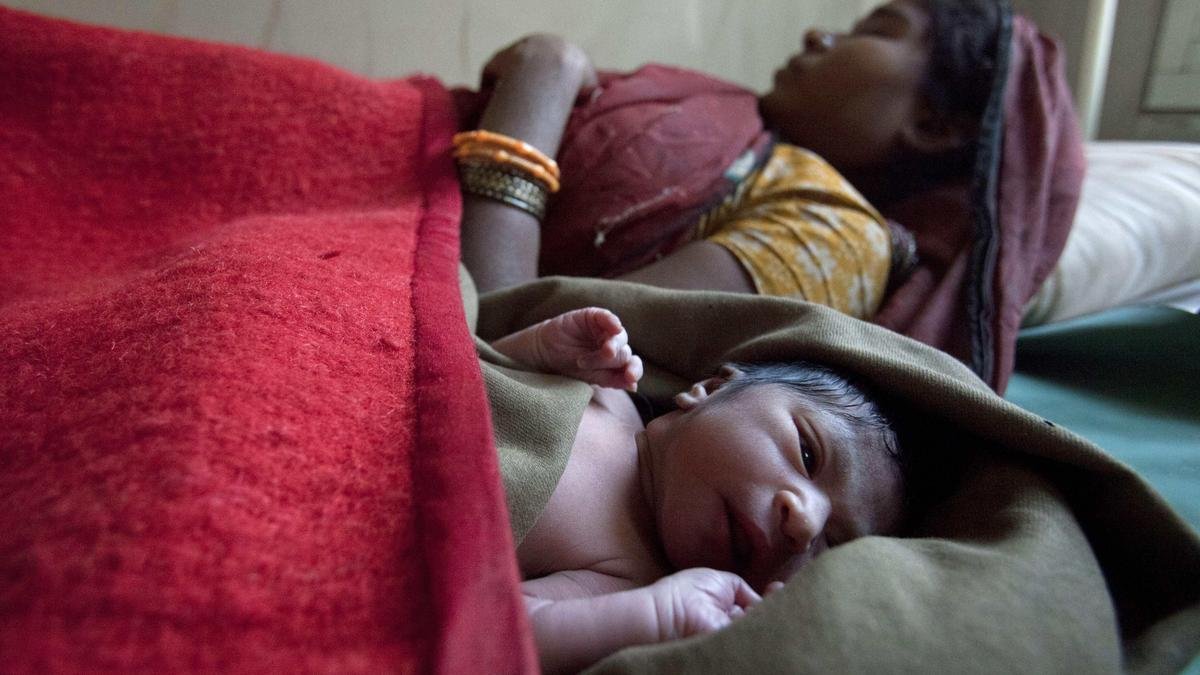
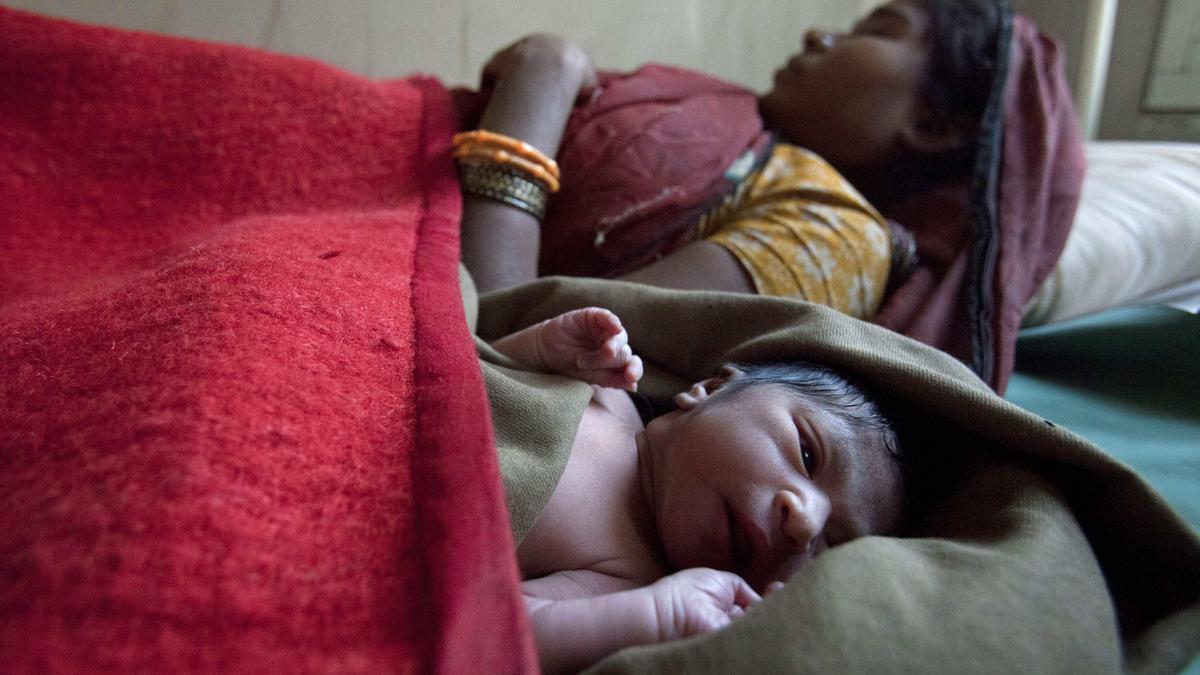
Postpartum preeclampsia usually manifests within two windows: early postpartum, which occurs in the initial 48 hours following birth, and late postpartum, which occurs between 48 hours to six weeks (42 days) following childbirth |Image used for representational purpose only
| Photo Credit: REUTERS
The return from hospital with a newborn is a time of joy and celebration. For many though, it is also seen as an end to all risks, especially for the mother. This, however, is not completely true: recent clinical reports and government data suggest that danger zone for the mother extends to six weeks (the postpartum period) after delivery, during which time the mother needs continuous vigilance, especially for conditions such as preeclampsia.

What is preeclampsia
Preeclampsia is a serious hypertensive disorder where a sudden onset of high blood pressure, 140/90 mmHg or higher, causes systemic dysfunction across vital organs, including the brain, liver and kidneys. Without immediate treatment, the disease can rapidly progress and lead to potentially fatal complications including seizures (eclampsia), stroke, permanent organ damage, fluid in lungs and HELLP syndrome, a life-threatening pregnancy complication.
The common belief is that after the birth of the child and the expulsion of the placenta, complications related to pregnancy such as high blood pressure are gone. This belief leads to drastic drop in medical vigilance during the recovery (postpartum) period. In reality, postpartum preeclampsia can develop anywhere from 48hours up to six weeks after delivery.
Postpartum preeclampsia usually manifests within two windows: early postpartum, which occurs in the initial 48 hours following birth, and late postpartum, which occurs between 48 hours to six weeks (42 days) following childbirth. In most patients, the condition manifests between days 7 to 10.

Why the need for concern
What is alarming about preeclampsia is its silent onset in otherwise healthy mothers. 78% of these patients have no previous diagnosis of high blood pressure during their actual pregnancy or labour. There has been a documented case from Telangana, where a 24-year-old mother with a previously healthy pregnancy reported to the hospital on her 38th day postpartum with a severe headache and blurred vision, and she was diagnosed with de novo late postpartum preeclampsia. She was immediately treated with the hypertensive emergency protocol and she responded well to the treatment.
Symptoms are frequently missed: most often the mothers are told their discomfort is normal, causing them to ignore life-threatening warning signs.
Critical signs that warrant a doctor’s visit include a severe headache — this is reported by 69% of patients; visual changes as blurred vision, flashes before the eyes, or sensitivity to light; unexpected swelling, particularly around the feet, face and hands; pain felt in the abdomen region below the ribs, especially on the right-hand side; breathing difficulties and chest pressure or pain. These signs may be accompanied by high blood pressure, diagnosable at 140/90 mmHg or more.

What every mother should do
Even after a normal pregnancy or delivery, the mother’s blood pressure should be checked regularly and symptoms such as severe headaches, swelling, breathlessness or visual symptoms should never be ignored, for six weeks after childbirth.
A postpartum follow-up visit to the doctor should be ensured, even if mother and baby appear healthy. This should be done first, after one week of the delivery and then, after one month. Families should actively observe mothers for warning signs. Women with previous hypertension, obesity, diabetes, twin pregnancies or prior preeclampsia require extra vigilance. Hospitals and health care workers must educate families before discharge regarding postpartum warning symptoms
Motherhood should not cost a woman her life simply because warning signs were mistaken for normal weakness after delivery. In obstetrics, there is a timeless teaching: a normal pregnancy is a retrospective diagnosis, it can only be labelled truly normal after puerperium (six-week post-delivery period) is safely completed.
(Dr. Priyanka Dass is a consultant obstetrician-gynaecologist, infertility specialist, and laparoscopic surgeon, Motherhood Hospitals, Kothanur, Bengaluru. drpriyanka.das@outlook.com)
Published – May 30, 2026 01:48 pm IST