

Could Australia’s H5N1 bird flu outbreak threaten hundreds of native species as confirmed detections in wild birds cross 200?
Australia has recorded more than 200 confirmed detections of H5 bird flu in wild birds, raising concern over the virus’s rapid spread and its potential impact on native wildlife, while authorities say the risk to human health remains low. ()
Australia’s H5 bird flu situation has entered a new phase, with confirmed detections in wild birds now exceeding 200 as the virus continues to spread across several states.
As of 10 a.m. Australian Eastern Standard Time on August 9, the Australian Department of Agriculture, Fisheries and Forestry had recorded 220 confirmed detections of H5 bird flu in wild birds. South Australia accounts for the largest share, with 152 detections, followed by Victoria with 53, Western Australia with 10, New South Wales with four and Queensland with one.
The development comes only weeks after Australia confirmed the arrival of the highly pathogenic H5N1 strain, which has already caused extensive losses among wild birds and mammals in other parts of the world.
Authorities are now preparing for further spread, particularly among native bird populations that have never previously encountered the virus.
Advertisement
Australia Records 220 H5 Bird Flu Detections
The latest government figures show that H5 bird flu is now present across five Australian states.
South Australia has recorded the highest number of confirmed detections, with 152. Victoria follows with 53, while Western Australia has reported 10. New South Wales has four confirmed detections and Queensland has one.
The government says these detections involve the serious H5 bird flu strain that has been circulating globally.
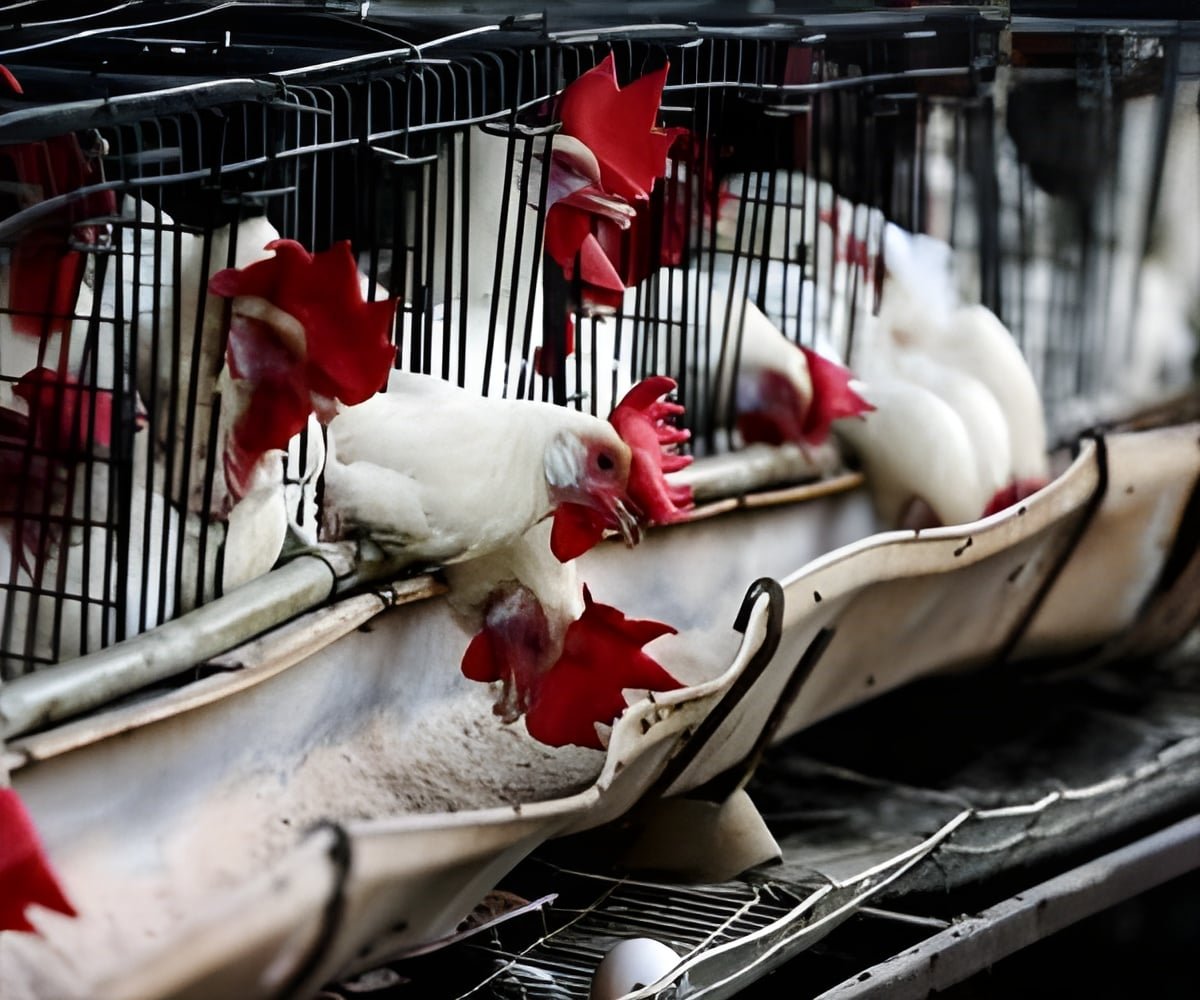
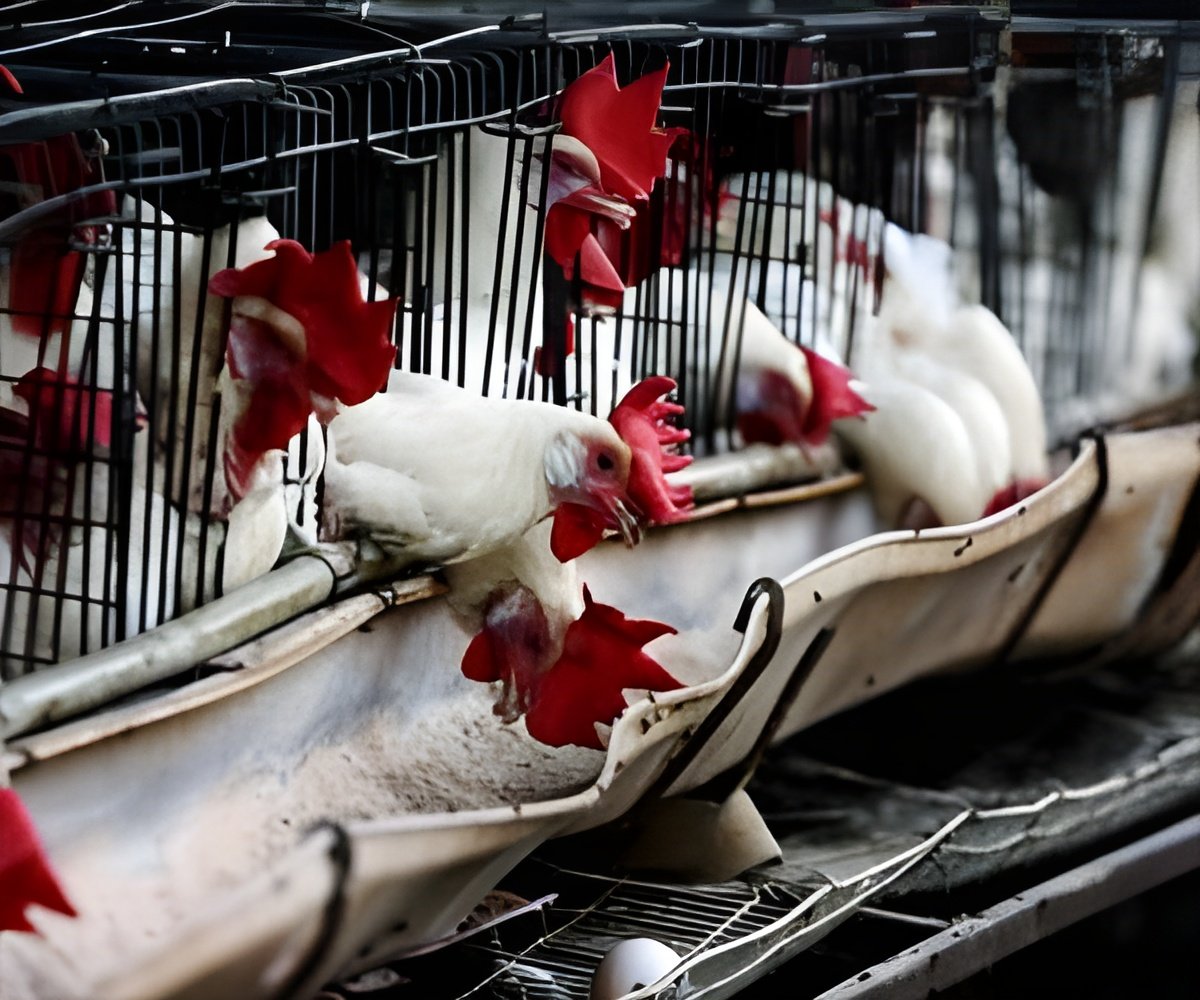
Importantly, authorities have not detected the virus in poultry or the wider agricultural industry so far. The current outbreak is concentrated in wild birds, although officials are strengthening biosecurity measures to reduce the possibility of the virus entering commercial poultry operations.
The federal government has introduced a national framework for poultry biosecurity measures, with state and territory governments responsible for implementing measures based on local risk.
Advertisement
Greater Crested Terns Become A Major Warning Sign
One of the clearest signs of the virus’s impact has come from greater crested terns.
The species was the first native Australian bird to experience a documented mass mortality event linked to H5N1. In early August, surveillance off South Australia’s coast identified dozens of dead and sick greater crested terns.
Testing confirmed H5N1 in the birds, marking a significant development because it demonstrated that the virus was not simply being detected in isolated animals but could produce substantial mortality within Australian wildlife populations.
The episode has heightened concern that similar events could occur in other bird colonies as the virus spreads.
Australian officials have warned that more wildlife infections and larger mortality events are likely.
Advertisement
How Did H5N1 Reach Australia?
Australia was the last continent to report the arrival of the current globally circulating H5N1 strain.
Scientists believe migratory seabirds played an important role in bringing the virus to Australian territory. The virus was first detected in Australia about two months ago, with evidence suggesting that migratory birds may have carried it southward from breeding grounds in the subantarctic region.
The arrival had been anticipated by scientists because H5N1 had already spread through other continents.
Since the virus re-emerged in Europe in 2021, the H5N1 lineage known as 2.3.4.4b has spread extensively around the world, infecting hundreds of bird species and multiple mammal species.
Its arrival in Australia therefore represents the completion of a major global geographic expansion.
Experts Expect Further Spread Across Australia
Scientists are increasingly concerned that the current detections represent the beginning rather than the peak of Australia’s wildlife outbreak.
Prof John Woinarski of Charles Darwin University, who contributed to government analysis of the potential wildlife threat, told The Guardian that he expects the disease could spread across the continent within a year.
The reason is simple but difficult to control: wild birds move freely.
Unlike poultry operations, where farmers can restrict movement, increase sanitation and isolate infected flocks, authorities cannot prevent wild birds from migrating, feeding or gathering together.
Australian Agriculture Minister Julie Collins has similarly warned that more wildlife infections should be expected.
Environment Minister Murray Watt has noted that governments cannot prevent native and wild animals from moving across the country, meaning further mass mortality events are possible.
Nearly 400 Species Could Face Serious Risk
The concern extends far beyond the birds that have already tested positive.
Government analysis released this week indicates that almost 400 Australian bird and mammal species could be at high risk or worse if infected with H5N1.
Australia is particularly vulnerable because of its unique wildlife.
Almost half of Australia’s bird species are found nowhere else in the world. That means a severe H5N1 outbreak could have consequences that are difficult to predict and potentially impossible to reverse for some species.
Researchers have identified several bird groups that appear particularly vulnerable, including gannets and boobies, cranes, darters, ducks, geese, swans, gulls, terns and noddies.
Pelicans, crows, ravens, falcons and kestrels are also among the groups considered susceptible.
Why Seabirds Are Especially Vulnerable
Seabirds face several factors that can increase their exposure to H5N1. Many species live in dense colonies, where a virus can spread quickly between individuals.
Birds also congregate around coastal waters, where infected animals may contaminate shared environments. Some species may also encounter the virus by scavenging dead or sick animals.
These behaviors can create conditions in which an infection moves rapidly through a colony.
The devastating experience of Europe provides a warning of what could happen. Since the virus began spreading widely there, thousands of seabirds have died in some colonies. In one example cited by researchers, tens of thousands of sandwich terns died across Europe during major outbreaks.
Australian greater crested terns are closely related to those European seabirds, raising concern about how the Australian population may respond.
Scientists Warn Of Potential Large-Scale Wildlife Deaths
Researchers are reluctant to predict exact death tolls because Australia’s wildlife populations and ecosystems differ significantly from those in Europe and the Americas.
However, experts warn that large-scale mortality is a realistic possibility.
Evolutionary ecologist Dr Sara Ryding, whose research has modelled H5N1 risk across Australian bird families, said the country could experience severe impacts based on what has already happened overseas.
The modelling does not mean that every species identified as vulnerable will necessarily suffer major population losses.
Instead, it highlights which groups may be most susceptible if the virus establishes itself across Australian ecosystems.
The uncertainty is especially significant because Australia has so many species with relatively small or geographically concentrated populations.
Australian Sea Lions Face An Additional Threat
Birds are not the only wildlife at risk. H5N1 has caused major mortality among seals and sea lions in South America, with tens of thousands of animals dying in outbreaks across Peru, Chile, Brazil and Uruguay.
Australia has three resident pinniped species: the New Zealand fur seal, the Australian fur seal and the endangered Australian sea lion. Government analysis has assessed the risk to all three as very high if the virus reaches their populations.
The Australian sea lion is an especially concerning case because it is already endangered. Seals and sea lions may be particularly vulnerable because they often live in dense groups and can share coastal environments with infected seabirds. Researchers studying outbreaks in South America have documented severe consequences for pinniped populations. In one example, a third of a sea lion population in northern Patagonia was lost during an outbreak, according to a marine biologist cited by The Guardian.
What Happened In Europe Offers A Warning
Australia is now watching the experience of Europe closely. When H5N1 spread through European seabird populations, some colonies experienced dramatic mortality events. Researchers reported seeing birds displaying neurological symptoms before dying, while entire breeding colonies suffered severe losses.
The impact extended beyond individual animals. The loss of adults meant fewer birds were available to breed and raise young, creating the possibility of longer-term population declines.
Scientists say Australia could face similar challenges if the virus becomes widespread. However, there is also some hope. Some long-lived bird species may have enough resilience to recover if conservation efforts protect surviving populations and limit additional pressures.
The Virus Has Already Affected Hundreds Of Species Globally
Australia’s outbreak is part of a much larger global H5N1 crisis. The H5N1 lineage currently circulating internationally has spread across every continent and has infected more than 400 bird species as well as numerous mammals, including seals and sea lions. Millions of wild animals have died from the virus worldwide.
The disease has also caused enormous economic losses in poultry industries, where infected farms have sometimes been forced to cull large numbers of birds to contain outbreaks. The virus has additionally been detected in mammals, demonstrating its ability to cross species barriers. That broad host range is one of the reasons scientists continue to monitor H5N1 closely.
Human Health Risk Remains Low
Despite the rapid spread among Australian wildlife, authorities say the current risk to human health remains low. H5N1 can infect humans, particularly following close or prolonged contact with infected animals or contaminated environments. However, human infections remain rare, and there is currently no evidence that the virus is spreading efficiently from person to person in Australia.
Australian authorities are therefore focusing primarily on wildlife surveillance, animal health and biosecurity. People are advised not to touch sick or dead birds or other wildlife. Anyone who encounters multiple sick or dead birds should record the location and report the situation through Australia’s animal disease reporting system.
Poultry Farms Remain A Major Biosecurity Concern
Although the virus has not been detected in Australian poultry or the wider agricultural sector, preventing that from happening is a major priority. Commercial poultry farms can face devastating consequences if H5N1 enters a flock. Australian authorities have strengthened national poultry biosecurity arrangements and are using a risk-based approach to determine appropriate measures in different states and territories.
Farmers and poultry producers are being encouraged to maintain strong separation between domestic birds and wild birds, monitor animals for signs of disease and report suspected infections quickly. The absence of confirmed poultry detections provides some reassurance, but officials are not treating the situation as settled.
Why Australia’s Wildlife Makes The Situation Different
Australia’s geographic isolation helped keep H5N1 out of the country for longer than other continents. But that same isolation also means many native species have had little or no previous exposure to the virus.
When a new pathogen reaches an isolated ecosystem, scientists cannot assume that wildlife will respond in the same way as populations elsewhere. Some Australian species may have no evolutionary experience with H5N1, potentially making them particularly vulnerable. This is one reason researchers are watching the country’s native seabird populations closely.
What Authorities Are Doing
The Australian government has established national coordination arrangements for responding to H5 bird flu. The Department of Agriculture, Fisheries and Forestry is leading national coordination, while states and territories are responsible for surveillance and response activities on the ground.
Authorities are also working with industry and wildlife experts to strengthen biosecurity. The national framework introduced at the end of July provides a structure for state and territory governments to implement poultry biosecurity measures based on local risk. Surveillance is continuing across wildlife populations, particularly in areas where dead or sick birds are being discovered.
The Biggest Challenge Is Controlling Wild Bird Movement
One of the biggest obstacles facing Australian authorities is that H5N1 is spreading through wildlife rather than a controlled population. Wild birds migrate across state borders and move between breeding, feeding and resting areas.
There is no practical way to impose movement restrictions on wild populations. That means Australia’s strategy will largely depend on early detection, surveillance, biosecurity and conservation measures rather than trying to eliminate the virus from wildlife. The government has already warned Australians to expect more cases among wild animals.
What Happens Next?
The coming months are likely to be critical for determining how extensively H5N1 becomes established in Australia.
The government’s latest count of 220 detections shows that the virus is already present across multiple states.
Scientists will be watching whether infections continue to appear in new bird species and geographic regions, whether additional mass mortality events occur and whether the virus reaches vulnerable mammal populations.
Particular attention is expected to focus on seabird colonies, migratory pathways and Australia’s three resident pinniped species. Researchers will also be watching for evidence of the virus entering poultry operations.
Australia Faces A Difficult Wildlife Challenge
Australia’s H5N1 outbreak has moved rapidly from a first detection to more than 200 confirmed detections in wild birds. The immediate human health risk remains low, and there are still no confirmed detections in poultry or the wider agricultural industry.
But the wildlife implications could be much larger. Nearly 400 Australian bird and mammal species have been identified as being at high risk or worse, while endangered animals such as the Australian sea lion could face particularly serious consequences if the virus reaches their populations.
The experience of Europe and South America demonstrates what can happen when H5N1 becomes established in wild populations: mass mortality, declining colonies and pressure on already vulnerable species. For Australia, the immediate task is to understand how the virus behaves in its unique ecosystems and protect wildlife populations wherever possible.
With 220 confirmed detections already recorded, experts say the country may only be at the beginning of a much larger wildlife challenge.
References:
- Bird flu (Avian influenza) – (https://www.agriculture.gov.au/campaigns/birdflu)
Source-Medindia