

Close Menu

    Subscribe to Updates

    Get the latest news information from worldwide businesses.

    What's Hot

    BIEAP AP Inter 1st 2nd Year Supply Results Direct Link at bie.ap.gov.in

    June 18, 2026

    Sun-like star may have swallowed an exoplanet with help from a mysterious companion: ‘You are what you eat, right?’

    June 18, 2026

    An opportunity I couldn’t refuse

    June 18, 2026
    Facebook Instagram YouTube LinkedIn X (Twitter)
    Trending
    • BIEAP AP Inter 1st 2nd Year Supply Results Direct Link at bie.ap.gov.in
    • Sun-like star may have swallowed an exoplanet with help from a mysterious companion: ‘You are what you eat, right?’
    • An opportunity I couldn’t refuse
    • BMW i3 orders open months ahead of plan as demand takes off
    • Page Not Found | Condé Nast Traveler
    • Major errors found in Al Gore-founded Climate TRACE database
    • Pharmacist-Doctor Feud Turns Violent at AYUSH Dispensary, FIRs Registered
    • HBO Max’s annual plans are 28 percent off right now
    Newspublicly
    • About Us
    • Advertise & Partner with us
    • Pitch Your Story
    • Contact Us
    Facebook Instagram LinkedIn X (Twitter)
    Subscribe
    • Home
    • World News
      • Asia
      • India
      • USA
      • UK & Europe
      • Middle East
    • Economy & Business
      • Global Economy
      • Corporate & Industry
      • Finance & Markets
      • Policy & Trade
    • Technology
      • Gadgets & Devices
      • Software & Apps
      • AI & Machine Learning
      • Robotics & Automation
    • Health & Medicine
      • Fitness & Nutrition
      • Research & Innovation
      • Disease & Treatment
      • Doctors, Clinics & Patient Care
    • Travel & Tourism
    • Automobile
      • Electric & Hybrid Vehicles
      • Auto Industry Insights
    • Sports
    • More
      • Education
      • Real Estate
      • Environment & Climate
      • Space & Astronomy
      • War & Conflicts
    Newspublicly
    Home»Health & Medicine»Research & Innovation»Ancient DNA reveals plague was already killing humans 5,500 years ago
    Research & Innovation

    Ancient DNA reveals plague was already killing humans 5,500 years ago

    AdminBy AdminJune 18, 2026No Comments4 Mins Read0 Views
    Share
    Facebook Twitter LinkedIn Copy Link WhatsApp


    For many people, plague brings to mind rats, crowded medieval towns, and the devastating epidemics that spread across Europe during and after the Middle Ages.

    New research suggests the disease’s deadly history stretches back much further. A study published in Nature found that plague was already killing people 5,500 years ago in small hunter-gatherer groups, thousands of years before farming communities and cities emerged.

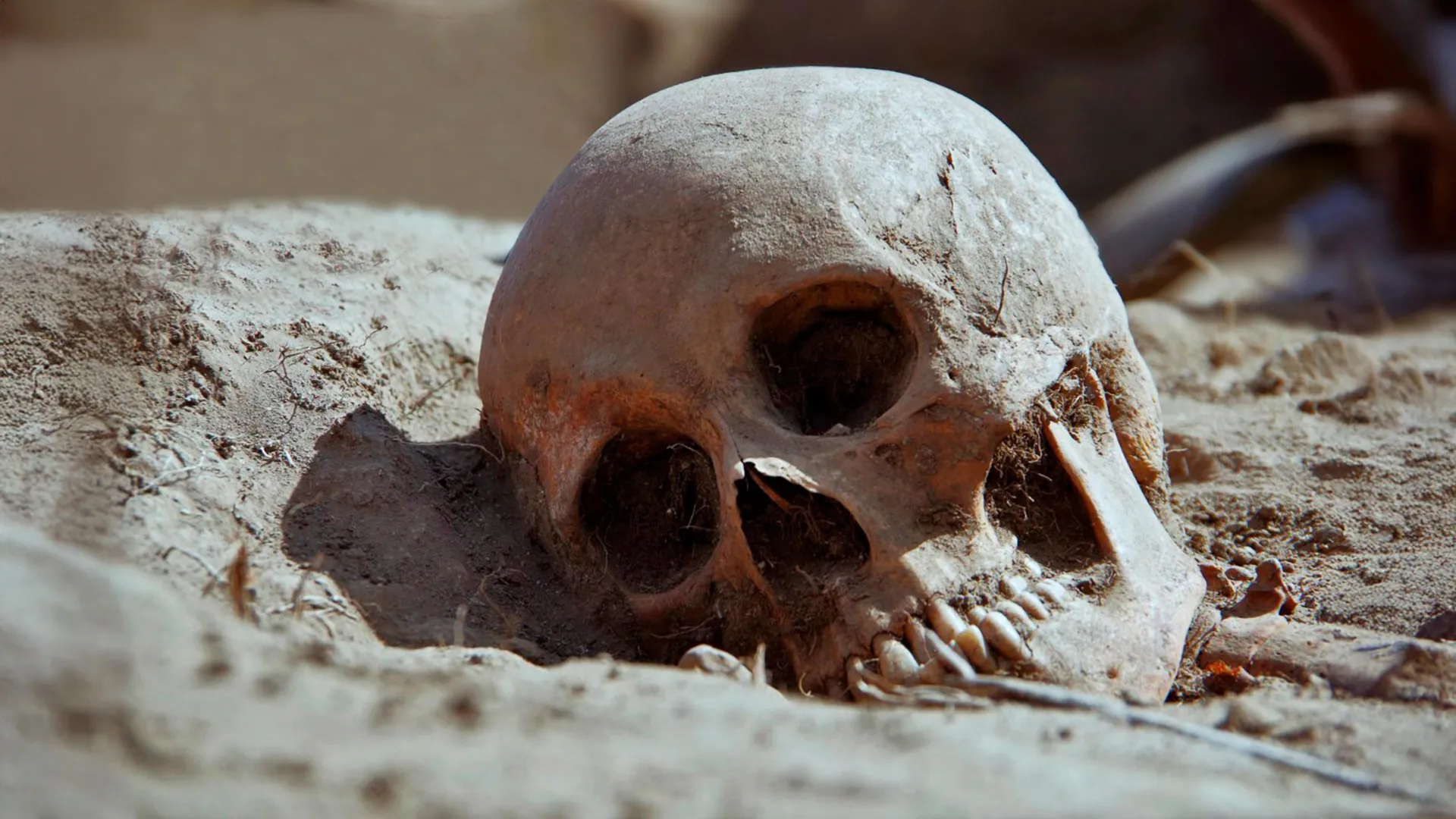
    An international team of scientists examined ancient DNA from human remains recovered at four hunter-gatherer cemeteries near Lake Baikal in East Siberia. By sequencing genetic material preserved inside ancient teeth, the researchers reconstructed bacterial genomes and identified previously unknown early strains of plague.

    “Whether the earliest forms of plague were mild or virulent has been a matter of debate, but our findings demonstrate that these ancient strains were already highly lethal,” says senior author Eske Willerslev, Professor at the University of Copenhagen and the University of Cambridge.

    Ancient DNA Reveals Prehistoric Plague Outbreaks

    The researchers combined genetic evidence with archaeological findings and radiocarbon dating to piece together what happened within these prehistoric communities.

    “Based on the plague DNA, the genetic relationships between the victims, the archaeological analysis and the radiocarbon dating, we’ve built a really clear, complete picture of what happened during these outbreaks,” says lead author Ruairidh Macleod, who carried out the work while a PhD student at the University of Cambridge and is now Research Fellow at the University of Oxford.

    The team detected DNA from Yersinia pestis, the bacterium responsible for plague, in 18 of 46 individuals studied. That means nearly 40 percent of the remains carried evidence of infection. According to the researchers, this detection rate exceeds those reported from some medieval plague burial sites.

    Evidence Suggests Early Plague Was Highly Lethal

    Earlier research had indicated that ancient strains of Yersinia pestis lacked some of the genetic features that later allowed bubonic plague to spread efficiently through fleas and rodent hosts. Because of this, many scientists believed the earliest forms of the disease were unlikely to have triggered large or deadly outbreaks.

    The new findings point in a different direction.

    At the two largest cemeteries, researchers found an unusually large number of children and young teenagers among the dead. For decades, archaeologists had struggled to explain this pattern.

    “The unusually high number of children and the short timespan was a real puzzle that we’ve been trying to solve since the 1990s. Finding out that plague was the cause is extraordinary, but it makes so much sense,” says archaeologist Andrzej Weber of the University of Alberta, Principal Investigator of the Baikal Archaeology Project.

    Radiocarbon dating revealed that many of the burials took place over a relatively brief period. In some cases, siblings or parents and children appear to have died around the same time and were buried together.

    Unique Genetic Factor May Have Increased Severity

    The researchers also identified a distinctive superantigen in the ancient plague strains. This toxin-producing genetic factor has not been found in later historic plague strains.

    Superantigens can trigger powerful immune reactions and are linked to severe inflammatory responses, potentially making infections much more dangerous.

    “This finding changes our understanding of the earliest plague outbreaks: Even before the bacterium evolved efficient flea-borne transmission, these ancient strains appear to have carried a potent combination of virulence factors that could make infection highly lethal,” says senior author Martin Sikora, Associate Professor at the University of Copenhagen.

    The results suggest that some of the earliest known plague outbreaks may have been every bit as deadly as later forms of the disease, particularly for children, despite lacking the flea-borne transmission mechanisms associated with bubonic plague.

    Clues to the Origins of Plague

    The study also adds support to the idea that plague first emerged in Central or North-East Asia before spreading across Eurasia through wild rodent populations.

    Archaeological evidence indicates that the hunter-gatherers in the study had close contact with marmots, large burrowing rodents that still carry plague today. Researchers believe the disease may have passed directly from infected marmots to humans, triggering outbreaks in these prehistoric communities.


    Source link

    Author

    • Admin

      NewsPublicly.com is News & Articles Platform that creating SEO-focused articles on travel, lifestyle, and digital trends.

    Admin
    • Website

    NewsPublicly.com is News & Articles Platform that creating SEO-focused articles on travel, lifestyle, and digital trends.

    Related Posts

    Major errors found in Al Gore-founded Climate TRACE database

    June 18, 2026

    Arizona reservoir nearly vanishes after snowpack collapse triggers massive fish kill

    June 18, 2026

    Scientists discover an earthquake gate as California faults reach their highest stress levels in 1,000 years

    June 18, 2026
    Leave A Reply Cancel Reply

    Demo
    Top Posts

    The Blue Moon rises on May 30— Where and when to see the second full moon of the month

    May 30, 202640 Views

    New SOCOM rifle allows barrel swapping and cartridge changes

    June 1, 202633 Views

    “Inside Gemini Robotics 1.5: How Robots Learn to Reason & Act

    November 22, 202525 Views

    525 pounds of cocaine seized after Nebraska K9 alerts troopers on I-80

    May 28, 202624 Views
    Don't Miss

    BIEAP AP Inter 1st 2nd Year Supply Results Direct Link at bie.ap.gov.in

    June 18, 20262 Mins Read0 Views

    2 min readNew DelhiUpdated: Jun 18, 2026 06:31 PM IST AP Inter Supplementary Results 2026…

    Sun-like star may have swallowed an exoplanet with help from a mysterious companion: ‘You are what you eat, right?’

    June 18, 2026

    An opportunity I couldn’t refuse

    June 18, 2026

    BMW i3 orders open months ahead of plan as demand takes off

    June 18, 2026
    Stay In Touch
    • Facebook
    • Twitter
    • Instagram
    • YouTube
    • LinkedIn
    • WhatsApp

    Subscribe to Updates

    Get the latest creative news from SmartMag about art & design.

    Demo
    NEWSPUBLICLY
    Facebook X (Twitter) Instagram LinkedIn

    Home

    • About Us
    • Leadership
    • Advertise & Partner With Us
    • Pitch Your Story
    • Media Kit & Pricing
    • Career
    • FAQs

    Guidelines

    • Editorial & Submission
    • Partnership
    • Advertising & Sponsor
    • Intellectual Property Policy
    • Community & Comment
    • Security & Data Protection
    • Send Your Opinion

    Quick Links

    • Cookie Policy
    • Payment & Billing Terms
    • Refund & Cancellation
    • Copyright Policy
    • Complaint & Support
    • Sitemap
    • Contact Us

    Subscribe Us

    Get the latest news and updates!

    Copyright © 2026 Newspublicly (DIGITALIX COMMUNICATION). All Rights Reserved.
    • Privacy Policy
    • Terms of Use
    • Disclaimer