

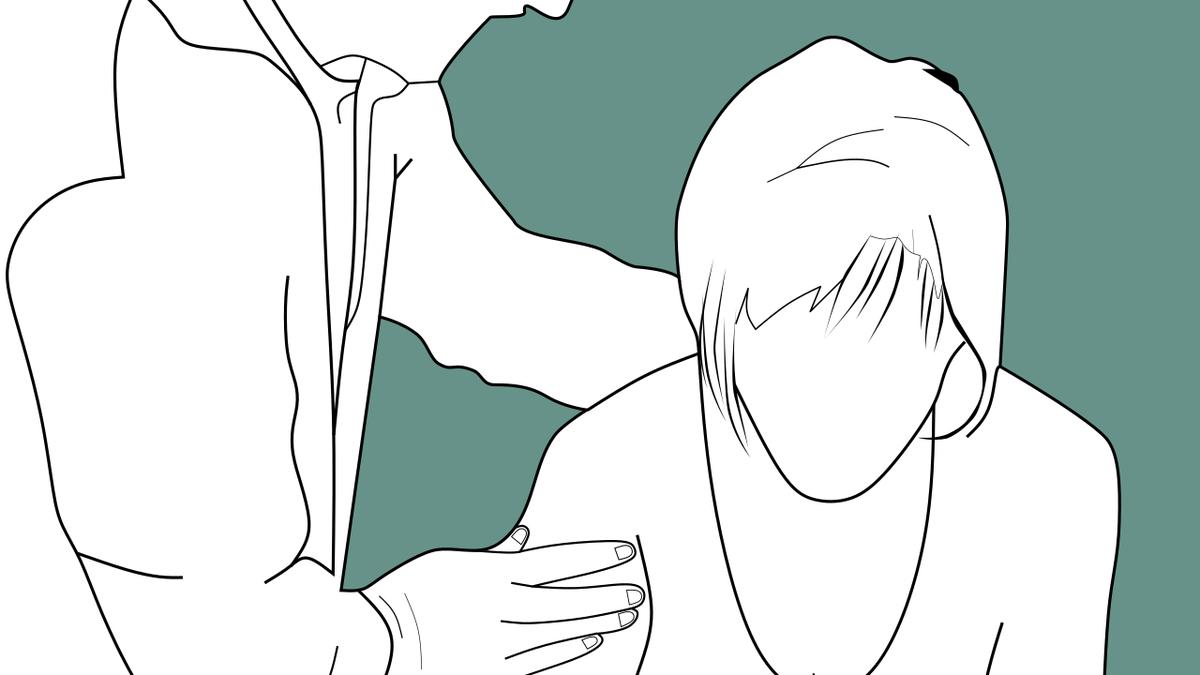
If panic attacks become frequent, overwhelming, or begin affecting your daily life, it is important to seek support from a healthcare professional such as a general practitioner, psychiatrist, or psychologist |Image used for representational purpose only
| Photo Credit: Wikimedia commons
When a panic attack hits, it can be an enervating and overwhelming experience because it is usually physcially exhausting, almost as though one’s body is spiralling out of control. While these attacks are about a sudden rush of fear, physical discomfort and can feel terrifying in the moment, they are not life threatening or dangerous by themselves. Studies say they can reduce the quality of life when panic episodes become frequent and develop into a disorder.
What is a panic attack?
It is commonly understood as a sudden episode that evokes intense fear. The National Institute of Mental Health (NIMH), under the United States Department of Health and Human Services, explains that panic attacks first include physical symptoms that might feel like a heart attack, such as a trembling or tingling in the body or a rapid heart rate and shortness of breath. These can occur as frequently as several times a day or as rarely as a few times a year. Furthermore, the NIMH also notes that not everyone who experiences a panic attack will develop panic disorder.

What causes panic attacks?
There is usually confusion between generalised anxiety disorder (GAD) and panic attacks.
While GAD can be explained as a persistent anxiety that indulges in day-to-day activities, and ongoing worries that continue excessively and feelings of fatigue, a panic attack is more about a sudden episode of intense anxiety that lasts for a short span of time and then subsides. The National Health Service (NHS) UK says that everyone experiences feelings of anxiety and panic at certain times when there is a stressful or triggering situation but panic attack is a deeply intense fear and anxiety that leaves with physical symptoms and usually without any apparent strong trigger, at any time and place.
The exact cause of panic disorder is not fully understood but when anxiety escalates itself into a very severe form, it turns into panic episodes that may create a recurring cycle of attacks, and change the way of everyday life. There are chances it can also happen seldom and not on a routine basis. It’s also thought to be linked to a combination of things, explains NHS, including a traumatic life experience such as bereavement, having a close family member with panic disorder or an imbalance of neurotransmitters (chemical messengers) in the brain.
As mentioned, panic attacks have signs that can resemble a physical problem. If symptoms worsen, NHS says it is advisable to seek emergency medical care.

Who is at risk?
When it comes to panic attacks categorised as panic disorder, severe and unexplained panic attacks, or other panic attacks, research conducted by K.A. Yonkers and colleagues in 1998, published in The American Journal of Psychiatry and indexed in the U.S. National Library of Medicine, found that the condition progresses differently in women and men. Although the study concluded with no significant differences between men and women in panic symptoms or level of severity at baseline, women are more likely to have panic with agoraphobia while men were more likely to have uncomplicated panic. Other studies suggest that panic attacks and panic disorder are more commonly seen in teenagers and young adults than in older people, with many beginning in late adolescence or early adulthood.

What should you do during a panic attack?
When a panic attack hits, many do not know how to navigate through the episode. Although it lasts only for a short span of time, it indeed can feel extremely frightening. So, many experts suggest breathing deeply and slowly, counting to five for each inhale and exhlae, and remaining in the same place until the feeling passes. The usage of 5-4-3-2-1 grounding method has been concluded in studies where this method includes 5 things you see such as looking around and naming objects in the room, 4 things you can physically feel: focusing on the texture of your clothes, a chair, or the floor, 3 things you hear which is about listening for background noises, like an air conditioner or vehicle honking, 2 things you smell: noticing any scents in your environment, 1 thing you taste. And importantly to remind themselves that a panic attack is just temporary and not life threatening.

What are the treatment options ?
People who undergo panic disorder should sought medical help because they may be at risk of developing other mental health conditions such as agoraphobia. Since the panic disorder is treatable, talking therapy services and counselling has been highly suggested by NHS.
Initial consultation can be done with a general physician when cycles continue often, but panic disorder and severe anxiety conditions are usually diagnosed and treated by psychiatrists or clinical psychologists.
Experts say that panic attacks can cause a lot of discomfort and distress, so people should not feel embarrassed to ask for professional help.
Published – May 21, 2026 10:00 am IST