

2 min readNew DelhiUpdated: Aug 14, 2026 12:25 PM IST
An Air India Airbus that fell 300 feet mid-air earlier this month, injuring 24 people on board, briefly lost vital flight controls after registering losses in all three of its hydraulic systems, Reuters reported, citing a preliminary Airbus analysis report.
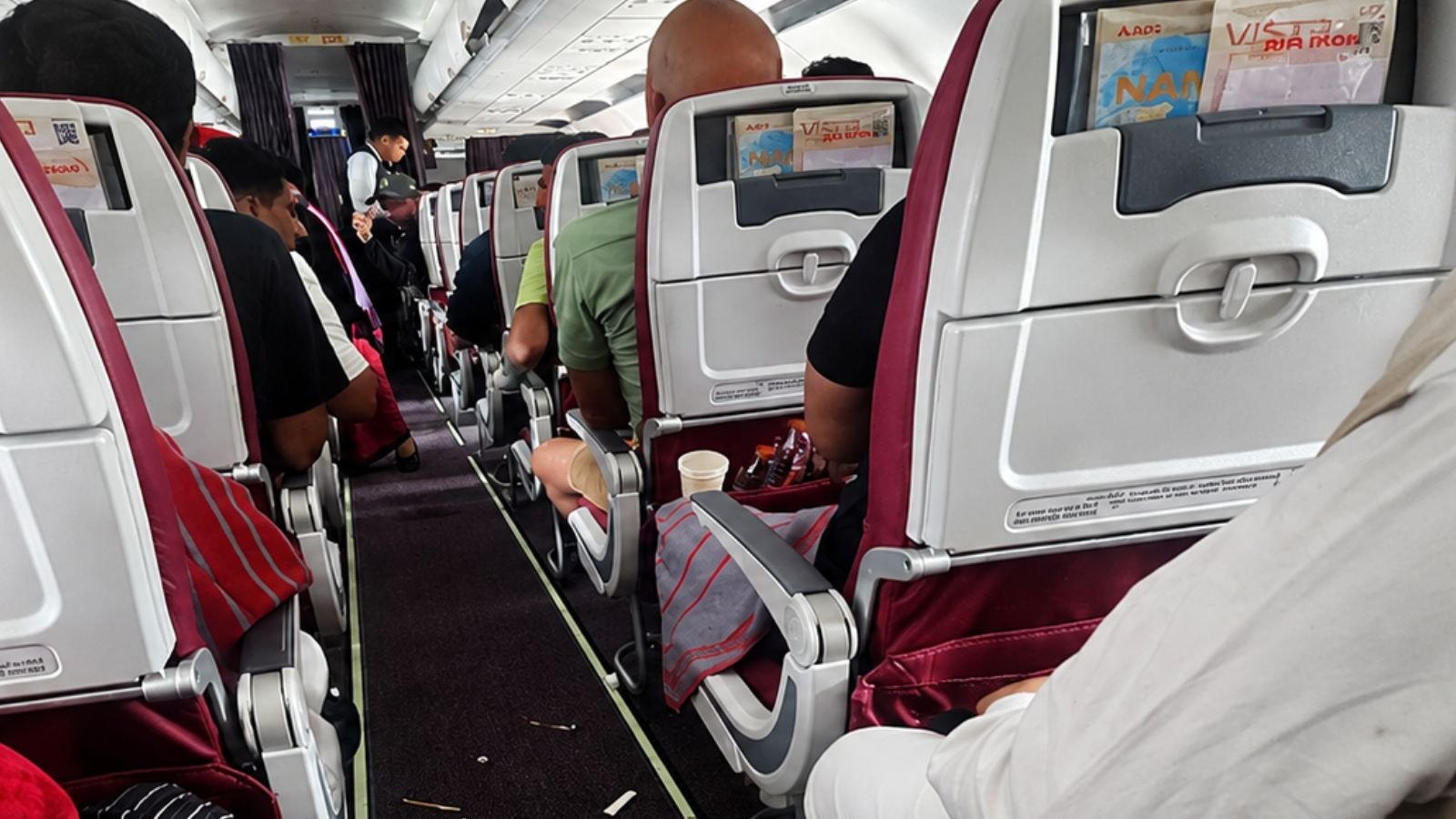
The aircraft — VT-EXO — operating a flight from Phuket to Delhi on August 4 encountered a sudden altitude drop of about 300 feet and caused injuries to 20 passengers and four cabin crew members. Out of these 24, 17 had to be hospitalised. The aircraft had 137 passengers, six cabin crew members, and two pilots on board. The incident was classified as a serious incident and is under investigation by the Aircraft Accident Investigation Bureau (AAIB).

According to the analysis report, the aircraft’s elevators and ailerons, which control its pitch and roll, became unavailable for about four seconds, during which the plane ascended.
The first officer had then applied a full nose-down input, but did not get any “direct response” from the flight-control surfaces until the hydraulic systems were back to work within seconds, Reuters reported.
However, the Airbus in its report did not establish the root cause. Instead, it asked Air India to carry out checks on the plane’s systems and sensors, and provide more information about the accident.
Neither Air India nor Airbus immediately responded to requests for comment.
Pilots’ conduct under scanner
Meanwhile, the conduct of the pilots is also under the scanner, particularly in view of a positive drug test, said sources.
Story continues below this ad
Following the incident on August 4, a drug test on the pilot-in-command of the aircraft came back positive for marijuana on Tuesday (August 11).
The Ministry of Civil Aviation (MoCA) had on Sunday (August 9) said that the preliminary drug screening gave a “non-negative” result. The samples were then sent for confirmatory testing, which yielded positive results, with the substance identified as marijuana. Confirmatory tests are required in the case of a non-negative preliminary screening, as certain foods and medications can throw up false positives in initial screenings.