

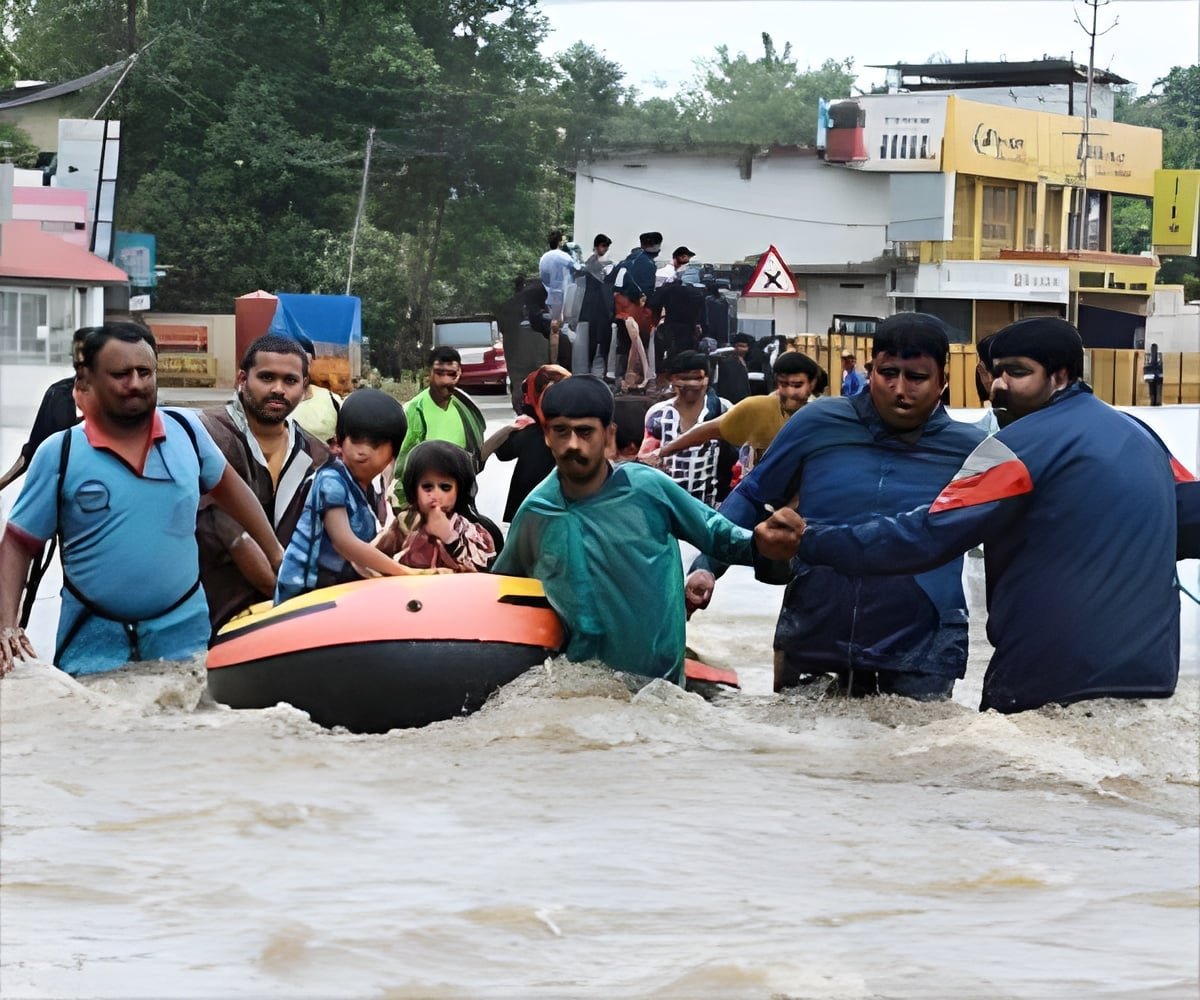
Flooding can contaminate water, increase mosquito breeding, and disrupt access to healthcare, raising concerns about disease outbreaks in affected communities.
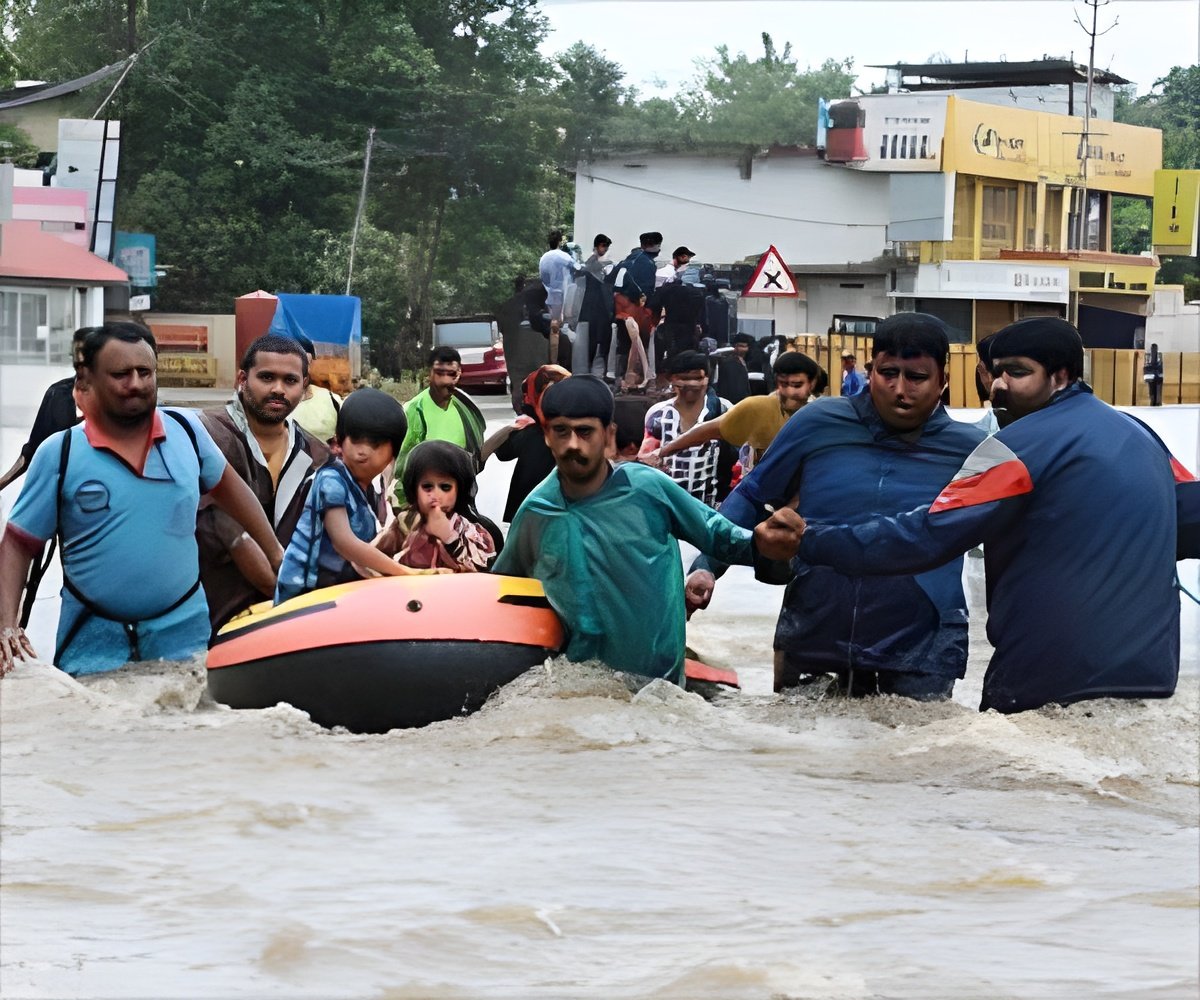
- Nepal floods are raising the risk of infectious disease outbreaks
- Damaged water, sanitation, and health facilities are increasing public-health risks
- Dengue, diarrheal diseases, cholera, and typhoid are among the concerns after flooding
Flooding in Nepal is raising a second public-health concern beyond the immediate dangers of injuries, displacement, and damaged infrastructure: the possibility of infectious disease outbreaks.
The World Health Organization (WHO) said devastating floods had struck Rasuwa and neighboring districts and that the full extent of the damage was still being assessed (1✔ ✔Trusted Source
WHO Nepal Statement on Rasuwa Floods
).
WHO is working with Nepal’s Ministry of Health and Food Safety and partners to identify urgent health needs, while emergency medical supplies, including medicines and multipurpose tents, have already been mobilized to support field-level care.
The agency said it is also monitoring public health risks, strengthening disease surveillance and working to maintain access to essential health services.
The concern is that floods can create several conditions that favor infectious diseases at once. Water and sanitation systems can be disrupted, floodwater can become contaminated with sewage and animal waste, stagnant water can provide breeding sites for mosquitoes, and damaged roads or health facilities can delay diagnosis and treatment.
Advertisement
Why Can Flooding Trigger a Disease Outbreak?
Flooding can disrupt the normal systems that protect people from infection.
According to a study, floods can disrupt water supplies and sanitation systems while creating conditions favorable to infectious diseases and disease vectors (2✔ ✔Trusted Source
Infectious diseases following hydrometeorological disasters: current scenario, prevention, and control measures
The researchers describe several major pathways:
- Contaminated water can spread diarrheal and other gastrointestinal infections.
- Stagnant water can support mosquitoes and other disease vectors.
- Crowded or temporary shelters can increase respiratory infections.
- Floodwater entering wounds can lead to skin and soft-tissue infections.
- Displacement of people and animals can increase exposure to zoonotic infections
- Interrupted hygiene practices can make it harder to prevent transmission.
This means the public-health threat can change as the emergency progresses: injuries may dominate initially, followed by increasing concerns about diarrheal disease, contaminated water, mosquito-borne infections, and other illnesses.
Advertisement
How Did Nepal Floods Disrupt Healthcare and Increase Disease Risks?
Flooding can damage the healthcare system at the same time that it increases the number of people who need medical attention.
During Nepal’s September 2024 floods and landslides, 62 health facilities, 550 water-supply systems and 9,000 sanitation facilities were damaged, while landslides and debris blocked major roads and severely restricted access to essential commodities and vital services (3✔ ✔Trusted Source
Mitigating Health Risks After Floods and Landslides in Nepal: A Public Health Perspective
The researchers explain that the consequences extend beyond difficulty reaching a hospital. When these systems fail together, they can create conditions that allow infectious diseases to spread while making it harder to detect and treat them quickly.
Key Healthcare and Public-Health Impacts of Nepal Floods
| Flood-Related Disruption | What It Means for Public Health |
|---|---|
| Health facilities damaged | Fewer functioning facilities are available to assess injuries, treat infections, and manage the increased number of patients. |
| Roads blocked by landslides and debris | Patients, healthcare workers and essential supplies may have difficulty reaching affected communities and health facilities. |
| Drinking-water systems disrupted | Loss of safe water can increase the risk of contamination and waterborne diseases. |
| Sewer and sanitation systems damaged | Flooded or damaged sanitation infrastructure can pollute surface water and create conditions that favor pathogen transmission. |
| People displaced from their homes | Displacement adds to the vulnerability of affected communities and can compound the wider health consequences of the disaster. |
| Water and sanitation disruption combined with flooding | The immediate risk of acute diarrheal diseases, including cholera, increases. |
| Pooled water after flooding | Standing water, particularly alongside warm post-disaster conditions, can create favorable conditions for vector-borne diseases such as dengue and malaria. |
| Flood exposure and damaged living conditions | Skin infections and respiratory ailments can become additional health concerns. |
Advertisement
What Did Nepal’s Previous Floods Teach Health Authorities?
The UNICEF Nepal update, covering the October 2024 floods, provides a clear example of what can happen when several essential systems are damaged at the same time (4✔ ✔Trusted Source
Nepal Floods Humanitarian Situation Update # 3
).
During that disaster, UNICEF reported:
- 81,215 people affected
- 27,613 children affected
- 246 people killed, including 55 children
- 183 people injured
- More than 10,000 houses damaged or destroyed
- 62 health facilities damaged
- 550 water-supply systems damaged
- 9,000 sanitation facilities damaged
The damage to health facilities created serious concerns about access to healthcare, while disruption to water and sanitation systems increased the risk of waterborne and vector-borne disease outbreaks, including cholera, dengue and typhoid fever. UNICEF also reported that 1,000 bed nets were dispatched to reduce dengue and other vector-borne disease risks, while temporary medical tents were being established to maintain healthcare access.
What Does Climate Change Have to Do With Nepal’s Flood Disease Risk?
The study examined Nepal’s flood and waterborne-disease patterns using data from the Nepal Risk Reduction Portal, Nepal Annual Health Reports from 2000–2021, Nepal Government vulnerability and risk assessments, and other reputable sources (5✔ ✔Trusted Source
Climate Change Impact on Floods and Water Borne Disease in Nepal
).
The researchers reported that:
- Climate-related disasters increased six-fold in 2021 compared with 2000.
- 71% of people affected by disasters in their analysis were affected by floods.
- Nepal recorded its highest number of flood events during the study period in 2017, with 388 events, compared with 15 in 2015.
- Heavy and unusual rainfall patterns were identified as an important climate-related factor contributing to riverine and flash flooding, along with the potential role of glacier melting.
- Diarrheal disease incidence increased by 4.39% for each 1°C increase in ambient temperature in their analysis of data collected from July 2002 to June 2014.
Which Diseases Can Occur After Floods?
The authors concluded that climate-change adaptation, flood-risk management, and waterborne-disease surveillance need to be prioritized to reduce the health impact of changing flood patterns.
Major Infectious Disease Risks Following Flooding (6✔ ✔Trusted Source
Infectious Diarrhea Risks as a Public Health Emergency in Floods; a Systematic Review and Meta-Analysis
Go to source)(7✔ ✔Trusted Source
Impact of flooding events on waterborne and vector-borne infections: a systematic review
| Disease/Health Problem | How Flooding Increases the Risk | Key Points |
|---|---|---|
| Diarrheal diseases | Contamination of drinking water with sewage, animal waste, and other pathogens | The meta-analysis found a 40% higher overall risk of infectious diarrhea after flooding; bacterial diarrhea showed the highest increase. |
| Cholera | Sewage contamination of drinking-water sources | A particular concern where water and sanitation systems are disrupted, identified by UNICEF as a disease risk during Nepal’s previous floods. |
| Typhoid | Contaminated food or water | Can become a concern when sanitation and drinking-water systems are damaged. |
| Cryptosporidiosis | Floodwater contaminated with sewage or animal waste | Can cause diarrhea, particularly in children; Cryptosporidium can persist in the environment and is relatively resistant to chlorine. |
| Giardiasis | Contaminated water following sewage or animal-waste exposure | Flooding can facilitate transmission of the parasite Giardia. |
| Dengue | Stagnant water creates mosquito-breeding sites | Flood-related changes in the environment can increase mosquito exposure; dengue can range from mild illness to severe disease. |
| Malaria | Changes in water and mosquito-breeding environments | Flooding can alter vector habitats and contribute to transmission where malaria is present. |
| Chikungunya | Increased mosquito breeding after flooding | Identified among vector-borne diseases that can become a concern following hydrometeorological disasters. |
| Leptospirosis | Contact with water or soil contaminated by urine from infected animals | Flood exposure can increase contact with contaminated environments; severe disease can affect the kidneys, liver and lungs. |
| Skin and wound infections | Contaminated floodwater entering cuts or traumatic wounds | Can include wound infections, cellulitis and other soft-tissue infections. |
| Respiratory infections | Displacement and disrupted living conditions | Respiratory illnesses can become an additional concern among flood-affected populations. |
| Hepatitis A and E | Contaminated food or water | Can become relevant when sanitation and water supplies are disrupted. |
| Japanese encephalitis | Changes in mosquito-vector environments | Listed among zoonotic/vector-related diseases that may become relevant after flooding. |
| Rabies | Increased human-animal contact following displacement | Flooding can disturb animals and increase opportunities for exposure. |
What Precautions Should People Take After Flooding?
The CDC guidance emphasizes that floodwater can contain infectious organisms, chemicals and other hazards. People should (8✔ ✔Trusted Source
What to Do to Prevent Getting Hurt or Sick After a Disaster
):
- Stay out of floodwater whenever possible and avoid driving through flooded areas.
- Protect cuts and open wounds from floodwater and clean them promptly with soap and safe water.
- Wash hands regularly before preparing or eating food, after using the toilet and after handling flood-contaminated items.
- Use safe water for drinking and food preparation, and follow local advice on whether water supplies are safe.
- Avoid wild and stray animals and take precautions against mosquitoes and other insects.
- Clean and disinfect flood-affected areas and dry buildings and belongings where appropriate.
- Stay away from damaged structures until authorities have declared them safe.
- Take precautions during power outages: avoid unsafe food, stay away from fallen power lines and use generators outdoors and away from buildings to prevent carbon monoxide poisoning.
What Should Nepal Prioritize Now?
Based on the current WHO response and the evidence in the supplied sources, the immediate public-health priorities are:
| Priority | Why It Matters |
|---|---|
| Disease surveillance | Detect diarrheal, respiratory, and vector-borne disease clusters early. |
| Safe drinking water | Prevent fecal and other contamination from producing outbreaks. |
| Emergency sanitation | Prevent sewage and waste from entering water sources. |
| Mobile medical teams | Reach communities cut off from damaged health facilities. |
| Temporary health posts/tents | Maintain essential treatment capacity. |
| Mosquito control | Reduce dengue, malaria, and chikungunya transmission risk. |
| Wound care | Prevent infections after exposure to contaminated water and debris. |
| Risk communication | Help communities recognize symptoms and avoid exposure. |
| Psychosocial support | Address trauma, anxiety, depression, and PTSD. |
| Resilient infrastructure | Reduce health-system disruption during future floods. |
Rapid restoration of healthcare, safe water, and sanitation, along with vigilant disease surveillance, will be crucial to prevent Nepal’s current disaster from becoming a wider public-health crisis.
Frequently Asked Questions
Q: Why do floods increase the risk of disease?
A: Floods can contaminate water, damage sanitation systems, create mosquito-breeding areas and disrupt access to healthcare, increasing the risk of infectious diseases.
Q: Which diseases can spread after flooding?
A: Flooding can increase the risk of diarrheal diseases, cholera, typhoid, dengue, malaria, leptospirosis and skin infections, depending on local conditions.
Q: Is floodwater safe to touch?
A: No. Floodwater may contain sewage, bacteria, viruses, chemicals and other hazards. Avoid contact whenever possible and take precautions if exposure occurs.
Q: Why is safe drinking water important after a flood?
A: Flooding can contaminate drinking-water sources with sewage, animal waste and disease-causing organisms, increasing the risk of gastrointestinal infections.
Q: How can you prevent mosquito-borne diseases after flooding?
A: Reduce mosquito exposure by avoiding stagnant water where possible, using mosquito repellents, protective clothing and bed nets, and following local health guidance.
Q: Why can flood damage to healthcare facilities increase disease risk?
A: Damaged hospitals, clinics and roads can delay access to medical care and make it harder for healthcare workers, medicines and essential supplies to reach affected communities.
References:
- WHO Nepal Statement on Rasuwa Floods – (https://www.who.int/nepal/news/detail/26-08-2026-who-nepal-statement-on-rasuwa-floods?)
- Infectious diseases following hydrometeorological disasters: current scenario, prevention, and control measures – (https://www.researchgate.net/publication/373012217_Infectious_diseases_following_hydrometeorological_disasters_current_scenario_prevention_and_control_measures)
- Mitigating Health Risks After Floods and Landslides in Nepal: A Public Health Perspective – (https://pmc.ncbi.nlm.nih.gov/articles/PMC12409085/)
- Nepal Floods Humanitarian Situation Update # 3 – (https://www.unicef.org/nepal/media/23386/file/%20UNICEF%20Nepal%20-%20Situation%20Report%203%20-%20Flood%20Response%20(18%20October).pdf)
- Climate Change Impact on Floods and Water Borne Disease in Nepal – (https://www.cambridge.org/core/journals/prehospital-and-disaster-medicine/article/climate-change-impact-on-floods-and-water-borne-disease-in-nepal/F4A7CD6C5428B181DB5E584700FDBE22)
- Infectious Diarrhea Risks as a Public Health Emergency in Floods; a Systematic Review and Meta-Analysis – (https://pmc.ncbi.nlm.nih.gov/articles/PMC11221827/)
- Impact of flooding events on waterborne and vector-borne infections: a systematic review – (https://link.springer.com/article/10.1186/s12879-026-13442-z)
- What to Do to Prevent Getting Hurt or Sick After a Disaster – (https://www.cdc.gov/natural-disasters/response/index.html)
Source-Medindia