

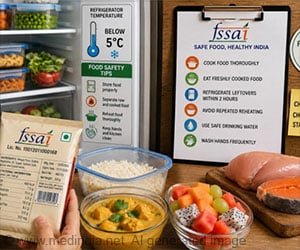
FSSAI has flagged food companies over misleading health, nutrition and labelling claims on their products.

The Food Safety and Standards Authority of India (FSSAI) has intensified scrutiny of food companies making potentially misleading claims on product labels, packaging and promotional material.
The food regulator has flagged several food business operators (FBOs) over claims involving terms such as “100%,” “Energy Drink,” immunity benefits, nutritional superiority and health advantages. The companies were directed to take corrective action to ensure that consumers are not misled about the nature, quality or health benefits of food products.
The latest action includes cases involving products ranging from coconut oil and caffeinated beverages to baby foods and nutritional drinks.
Advertisement
What Did FSSAI Flag?
FSSAI’s action covers different types of claims that could give consumers an exaggerated or inaccurate impression of a food product.
These include:
• “100%” claims
• “Energy Drink” labelling
• Immunity-related claims
• Growth and nutrition claims
• Health benefit claims
• Nutrient-comparison claims
• Misleading product or trade names
The regulator said corrective measures were taken by major food businesses following notices.
Advertisement
Why Is FSSAI Concerned About ‘100%’ Claims?
Terms such as “100% pure” or other absolute claims can influence consumers into believing that a product is completely superior or free from certain characteristics.
In the latest action, Amway India Enterprises was flagged over the use of “100% Pure Coconut Oil.” The company said it had voluntarily removed “100%” from its packaging and promotional material and discontinued old stock from sales channels. Revised packaging is expected to be rolled out progressively from September–October 2026.
The issue is not limited to one company. FSSAI has been scrutinising the use of “100%” claims across food labels and advertisements.
Advertisement
Which Food Firms Were Flagged by FSSAI?
FSSAI flagged several food businesses over potentially misleading claims related to purity, nutrition, immunity and energy benefits. The companies were asked to take corrective measures and ensure that their product labels and promotional claims comply with food safety regulations.
Amway India
Amway India was flagged over the use of “100% Pure Coconut Oil” and the term “Energy Drink” for a caffeinated beverage from its XS range. Following FSSAI’s directions, the company agreed to remove the “100%” claim from its coconut oil packaging and promotional material and discontinue the use of “Energy” in the relevant product artwork and marketing material.
Mondelez India Foods
Mondelez India Foods, which manufactures Bournvita, was flagged over certain health and nutrient-related claims associated with the product. Following the regulatory action, the company removed the flagged claims and related advertisements from e-commerce platforms and submitted its compliance response.
Juza Foods
Kerala-based Juza Foods was flagged over several claims made for its baby food products, including statements related to immunity, stronger bones, easy digestion and nutritional benefits. The company also faced concerns over “100%” and vegan-related claims and agreed to remove the claims identified by the regulator.
Sapiens Labs
Sapiens Labs was also among the food businesses flagged by FSSAI over claims made in connection with its products. The regulatory action focused on ensuring that product claims and promotional communication comply with applicable food labelling and advertising requirements.
Vichi Agro Products
Vichi Agro Products was another food business identified in FSSAI’s latest action. The company was asked to address concerns related to product claims and ensure that its labelling and promotional material accurately represent the product.
Why Can Misleading Food Claims Be a Problem?
Food labels and advertisements influence how consumers choose products.
A claim suggesting that a product can boost immunity, improve growth or provide significantly higher nutritional benefits may affect purchasing decisions, particularly when consumers are unable to independently verify the scientific basis of the claim.
This can be especially important for products marketed to children, older adults or people looking for specific health benefits.
Clear and accurate food labelling allows consumers to make more informed choices.
What Should Consumers Look for on Food Labels?
Consumers should avoid judging a food product solely by promotional terms such as “100%,” “immunity boosting,” or “high nutrition.”
Instead, they can check:
• Nutrition information
• Ingredient list
• Serving size
• Added sugar and salt
• Relevant food safety information
• Manufacturer details
• Appropriate certifications or endorsements where applicable
Consumers should also be cautious of claims that sound too good to be true or promise specific health outcomes without clear evidence.
Conclusion
FSSAI’s latest action against food companies highlights the importance of accurate food labelling and evidence-based health claims.
From “100% Pure Coconut Oil” and “Energy Drink” to immunity, growth and nutritional claims on baby food, the regulator has asked businesses to correct or withdraw claims that could mislead consumers. Several companies have already taken corrective measures.
For consumers, the development is a reminder to look beyond marketing language and check the actual ingredients and nutritional information before choosing a food product.
Reference:
- Food Safety and Standards Regulations – (https://fssai.gov.in/food-law/regulations)
- Food safety – (https://www.who.int/news-room/fact-sheets/detail/food-safety)
Source-Medindia