

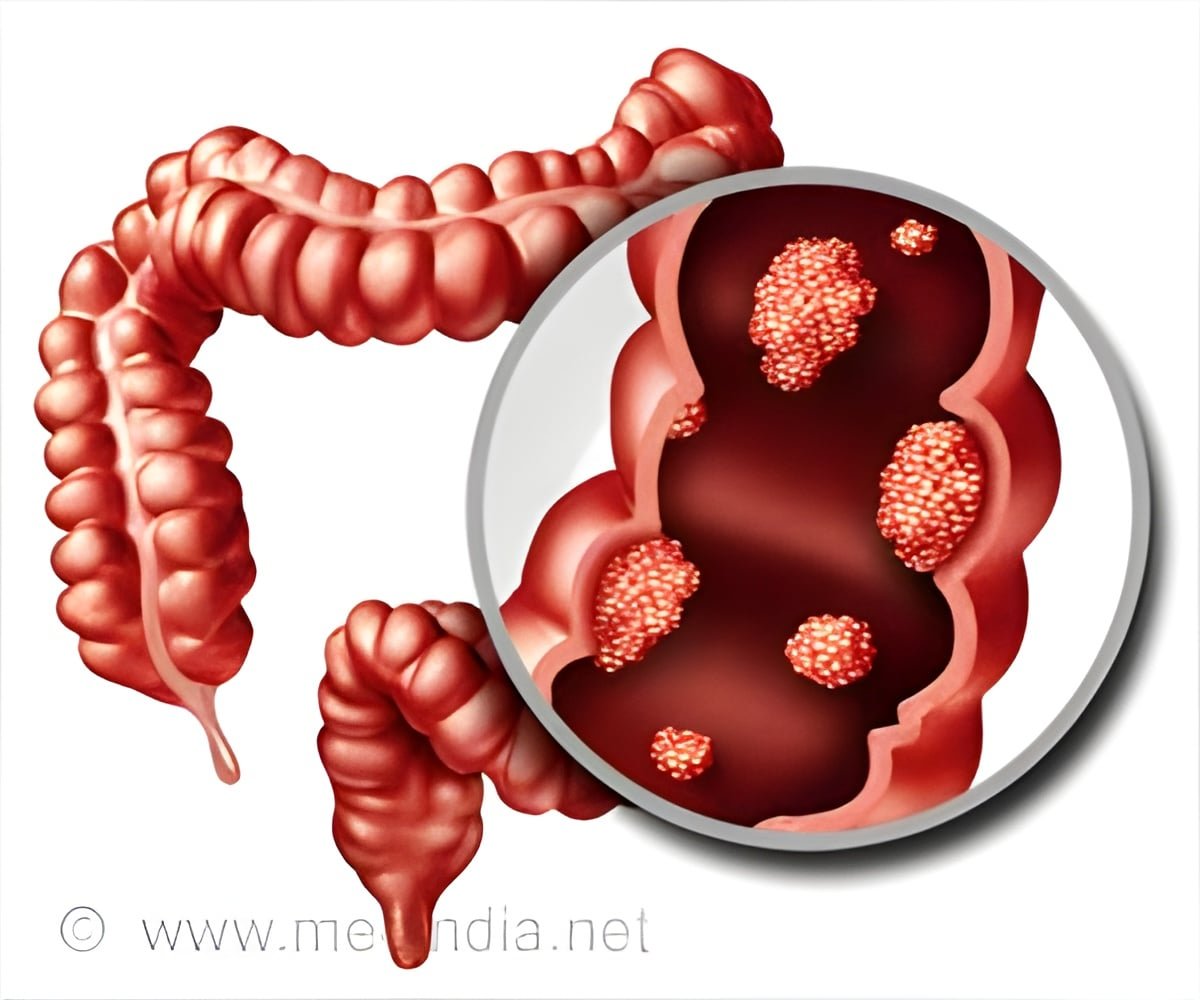
Long-course chemoradiotherapy helped more selected rectal cancer patients avoid major surgery than short-course radiotherapy in the STAR-TREC trial.
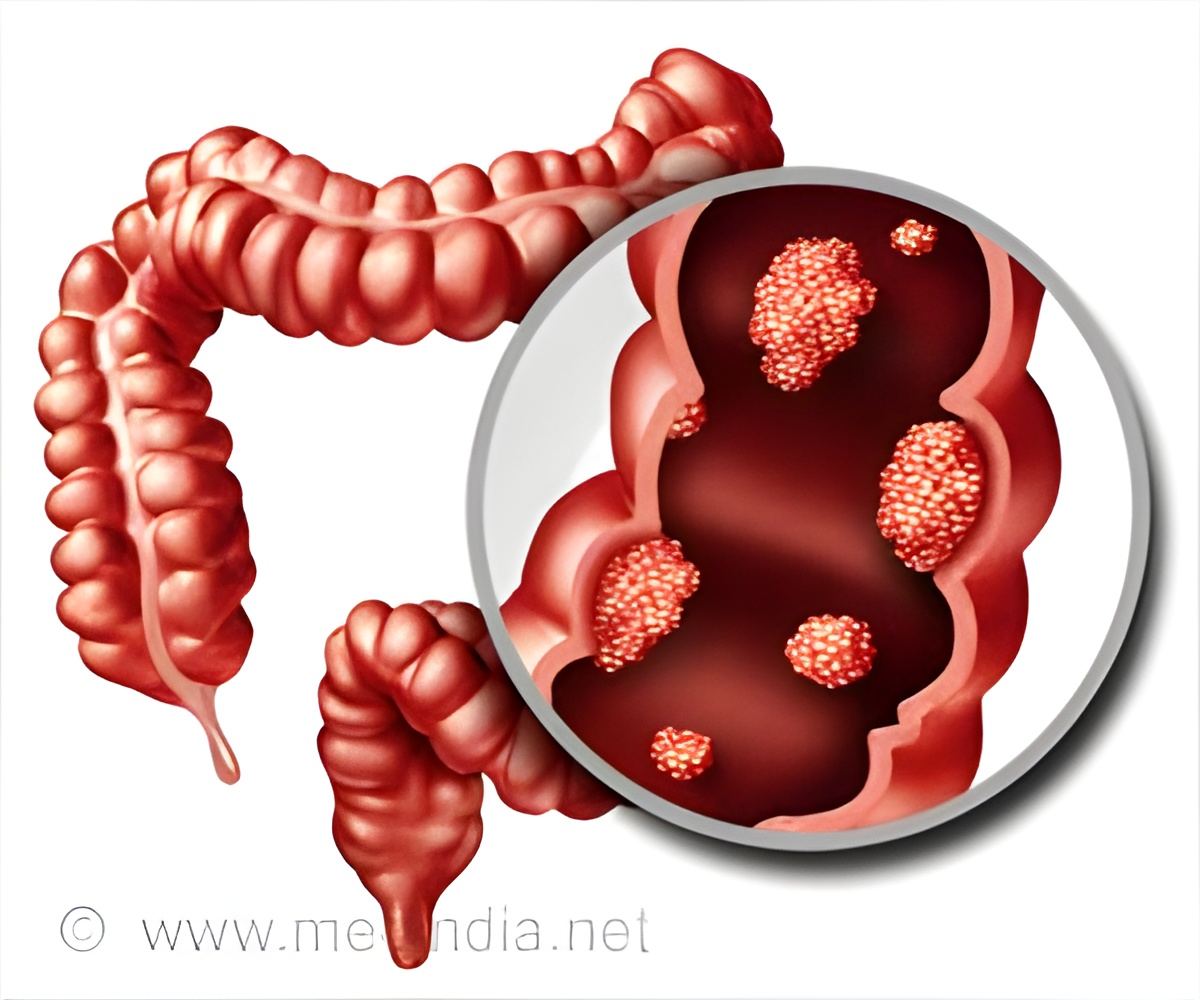
A new study published in The Lancet Oncology has found that long-course chemoradiotherapy may be more effective than short-course radiotherapy at helping selected patients with early- or intermediate-stage rectal cancer avoid major surgery. (1✔ ✔Trusted Source
Chemoradiotherapy versus short-course radiotherapy for response-adapted organ preservation in early-stage and intermediate-stage rectal cancer (STAR-TREC): 12-month results of an international, multicentre, open-label, parallel-group, randomised, phase 2/3 trial
)
The study, called STAR-TREC, reported better 12-month rectum-preservation results with long-course chemoradiotherapy.
The findings are important because total mesorectal excision (TME), the standard surgery for many patients with rectal cancer, can affect bowel function and quality of life.
STAR-TREC looked at whether some patients could safely keep their rectum by first treating the cancer and then deciding whether surgery was still needed based on the tumor’s response.
Advertisement
Could Longer Treatment Help Patients Avoid Surgery?
The STAR-TREC trial involved 503 patients at 37 centers in five European countries. They had early- or intermediate-stage rectal cancer that had been confirmed by biopsy and assessed using MRI.
Patients who chose an organ-preservation approach were assigned to one of two treatments:
- Long-course chemoradiotherapy (LCCRT): 25 radiation sessions combined with capecitabine.
- Short-course radiotherapy (SCRT): five radiation sessions without additional chemotherapy.
At 12 months, 78.5% of patients receiving long-course chemoradiotherapy remained free from TME, compared with 60.6% of those receiving short-course radiotherapy.
This difference was linked to a stronger tumor response with the longer treatment. At 16–20 weeks, 64% of patients in the LCCRT group had a clinical complete response, compared with 36% in the SCRT group.
Advertisement
What Happened When the Cancer Responded Well?
STAR-TREC did not automatically send every patient for surgery after treatment. Instead, doctors assessed how well the tumor had responded.
The study used a response-based approach:
- Patients with a complete clinical response could enter a watch-and-wait programme instead of having immediate surgery.
- Patients with a near-complete response could have a smaller procedure called transanal local excision.
- Patients whose cancer did not respond well or showed progression were recommended to undergo TME surgery.
This approach gives the tumor more time to respond before deciding whether surgery is necessary.
The need for further surgery was lower in the long-course group. Among patients receiving organ-preserving treatment, 17% in the LCCRT group were converted to TME, compared with 33% in the SCRT group.
Advertisement
Does Avoiding Major Surgery Reduce Treatment Risks?
The study also found fewer serious complications with the organ-preservation approaches than with primary TME.
Grade 3 or worse serious adverse events were reported in 18% of patients who underwent TME. Gastrointestinal complications occurred in 2% with LCCRT, 4% with SCRT and 8% with TME. Procedural complications occurred in 2%, 3% and 6%, respectively.
However, organ preservation does not mean that surgery can be avoided by everyone. Some patients still needed TME because their cancer did not respond sufficiently or because cancer remained after treatment.
The study also found that persistent ypT2–3 disease was more common after short-course radiotherapy, affecting 37% of patients compared with 15% after long-course chemoradiotherapy.
What Do These Findings Mean?
The early STAR-TREC results suggest that long-course chemoradiotherapy may give selected patients a better chance of preserving their rectum than short-course radiotherapy.
However, these are still early findings. The study’s main measure of successful organ preservation is planned for 30 months, and longer follow-up is needed to understand cancer recurrence, survival, and long-term bowel function.
So, the study does not mean that surgery is no longer needed for rectal cancer. Instead, it supports a more individual approach: treat the tumor, carefully check its response, and avoid major surgery when it is safe to do so.
Reference:
- Chemoradiotherapy versus short-course radiotherapy for response-adapted organ preservation in early-stage and intermediate-stage rectal cancer (STAR-TREC): 12-month results of an international, multicentre, open-label, parallel-group, randomised, phase 2/3 trial – https://www.thelancet.com/journals/lanonc/article/PIIS1470-2045(26)00228-7/fulltext
Source-Medindia