

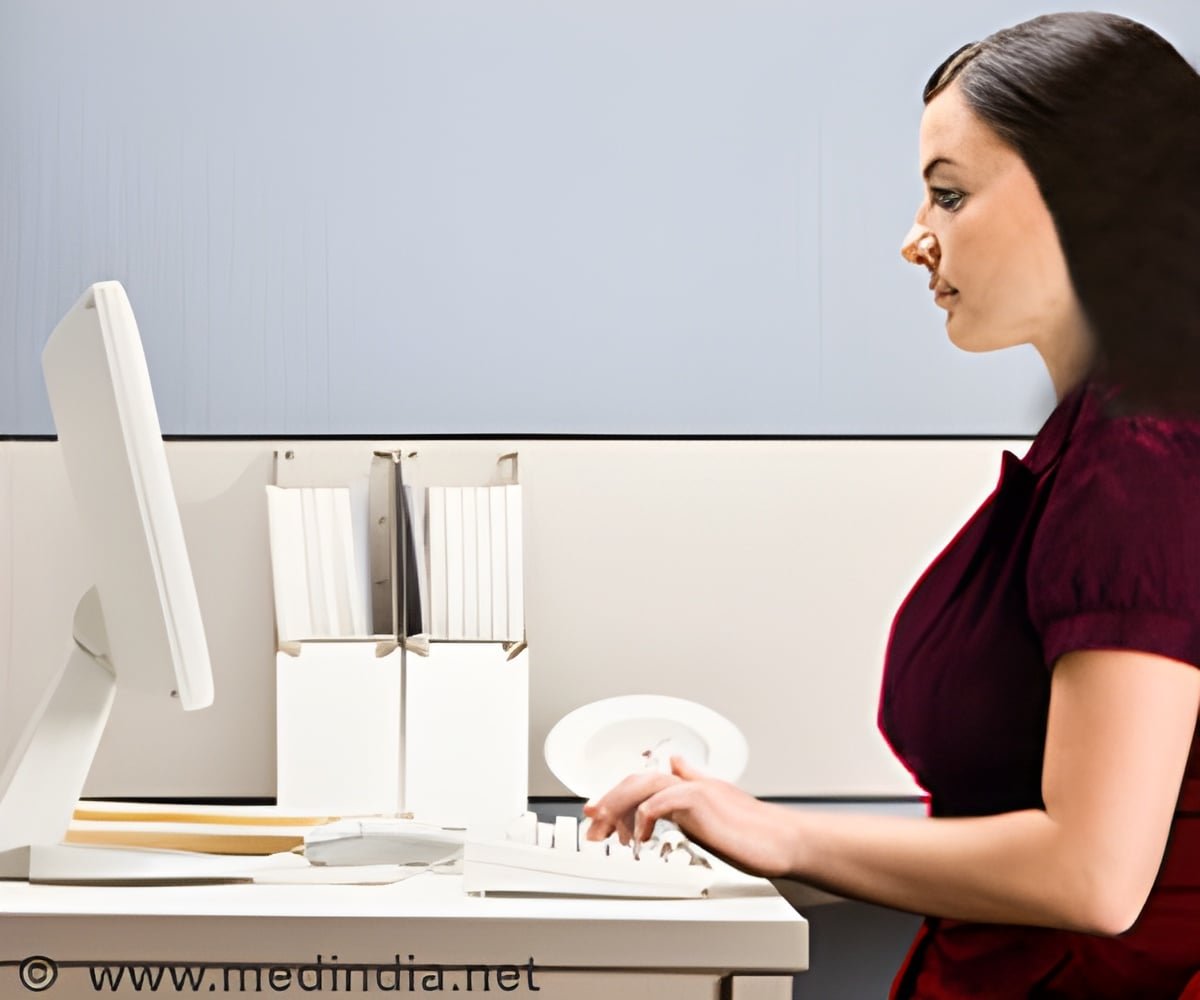
Something as simple as sitting upright could subtly improve your mood and even help you make better decisions.
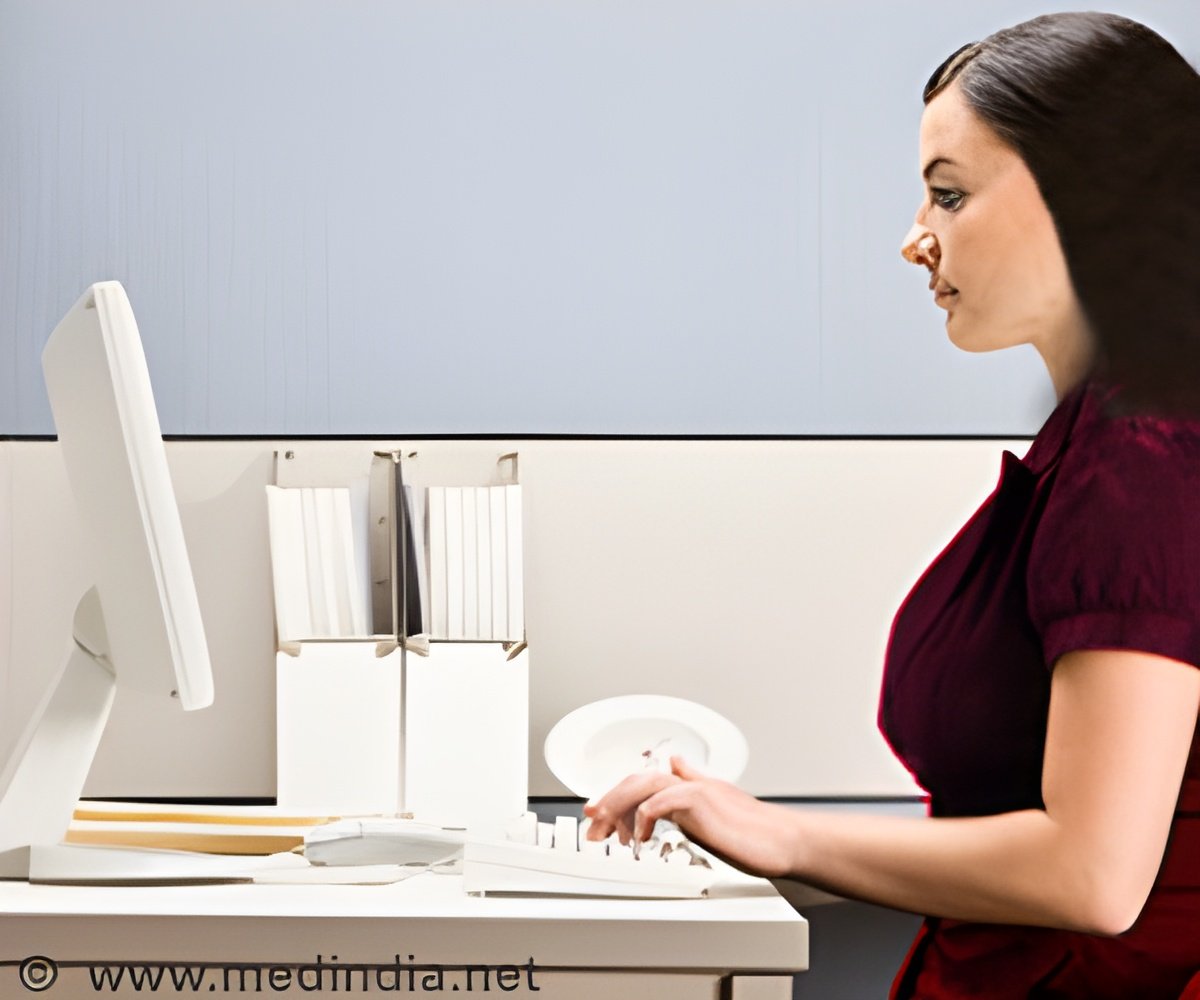
- Sitting upright was associated with a modest improvement in mood and more balanced decision-making
- Researchers designed the experiment so participants were unaware that their posture was being studied
- Good posture is not a cure for emotional problems, but it may be one small habit that supports mental wellbeing
Most of us think about posture only when our back begins to ache, or someone reminds us to sit up straight. Good posture is usually associated with spinal health, muscle balance, and preventing neck pain after long hours at a desk. However, researchers are beginning to ask a more intriguing question. Could the way we sit also influence how we think, feel, and make decisions?
A new study from McGill University suggests the answer may be yes, although the effects appear to be modest. Researchers found that participants who naturally adopted an upright posture during the experiment reported more positive emotions and made better-balanced decisions than those sitting in a slouched position (1). While posture alone cannot transform someone’s mental health, the findings add to growing evidence that our body and brain constantly communicate in subtle ways.
Advertisement
Experiment to Determine How Posture Influences Mood
The researchers recruited nearly 200 volunteers and carefully designed the experiment to avoid one common problem seen in previous posture studies. Instead of telling participants to sit straight or slouch, they arranged the testing environment so that one setup naturally encouraged an upright posture while another promoted leaning forward. Most participants believed they were simply helping researchers evaluate a tablet application rather than taking part in a posture experiment.
This approach reduced the possibility that participants would consciously change their behaviour to match what they believed researchers expected. After completing the tasks, interviews showed that most volunteers had no idea posture was the true focus of the investigation. By keeping participants unaware of the real purpose, the researchers strengthened the reliability of their findings.
Advertisement
How can Sitting Up Straight Affect Your Mood?
Our emotions are often viewed as something that begins entirely inside the brain. Yet psychologists have long suggested that the relationship works both ways, with the body also influencing emotional experiences. Facial expressions, breathing patterns, walking speed, and body posture can all send signals that shape how we perceive situations and respond emotionally.
In this study, participants sitting upright consistently reported slightly more positive emotional states than those encouraged into a slouched posture. Interestingly, one emotion that stood out was a greater sense of pride, which is often associated with confidence and positive self-perception. The improvements were relatively small, but they were consistent enough to support the idea that posture contributes to everyday psychological functioning.
Advertisement
Can Good Posture Improve Decision-Making?
Mood was only one part of the experiment. Researchers also wanted to understand whether posture influenced the way people approached everyday decisions involving uncertainty and risk. To measure this, participants completed a computerized task in which they decided how much to inflate a virtual balloon. Every successful pump increased potential rewards, but pumping too far caused the balloon to burst and erased all earnings for that round.
Participants sitting upright generally made choices that produced better overall rewards without becoming reckless. They did not simply take bigger risks or become overly cautious. Instead, they appeared to strike a healthier balance between potential gains and possible losses. This suggests upright posture may support more measured decision-making rather than impulsive behaviour.
< h2> Video-Analyzed Measurements and Blind Study Strengthens Reliability of the Posture Study
Research exploring posture and psychology has attracted attention for years, but not every study has been equally convincing. Earlier investigations often instructed volunteers to deliberately sit or stand in specific ways, making it easier for participants to guess the study’s purpose. That awareness could unintentionally influence their emotional responses and behaviour, creating bias in the results.
The McGill researchers addressed this limitation by changing the environment instead of giving direct posture instructions. They also used video analysis software to objectively measure neck angles rather than relying only on observation. Combining objective posture measurements with a blinded study design makes these findings more scientifically robust than many previous posture experiments.
Mood is Influenced by More than just Sitting Upright
Although the results are encouraging, the researchers urge people not to overinterpret them. Sitting upright alone is unlikely to transform someone’s mood, eliminate stress, or dramatically improve decision-making. Human emotions are influenced by many factors, including sleep, physical health, relationships, work pressures, and life experiences. Posture appears to be one small piece of a much larger psychological puzzle rather than a standalone solution.
The findings are still meaningful because posture is something most people can improve without medication, expensive equipment, or major lifestyle changes. Whether at work, in school, or at home, maintaining an upright sitting position may provide subtle psychological benefits alongside well-established physical advantages. Researchers also suggest that workplace and classroom design may influence posture, indirectly affecting how people feel and make decisions throughout the day.
Simple Ways to Improve Your Sitting Posture
Improving posture does not mean sitting rigidly for hours. Experts recommend keeping both feet flat on the floor, relaxing the shoulders, supporting the lower back, and positioning screens at eye level whenever possible. Standing up, stretching, and changing positions every 30 to 60 minutes also helps reduce muscle fatigue and stiffness associated with prolonged sitting. Movement remains just as important as maintaining good posture.
Small ergonomic adjustments can make upright sitting feel more natural throughout the day. Using an adjustable chair, keeping the keyboard close to the body, and avoiding prolonged forward head posture may reduce strain on the neck and back. Combining these habits with regular physical activity creates a healthier work environment that benefits both physical comfort and overall wellbeing. Even simple reminders to check your posture during the day can gradually build healthier sitting habits.
Good Posture is a Healthy Habit
If you spend long hours working at a desk, studying, or attending meetings, your sitting posture may be worth paying attention to. This study suggests that sitting upright may contribute to a slightly better mood and more balanced decision-making, although the effects remain modest. Good posture should be viewed as one healthy habit that complements adequate sleep, regular exercise, stress management, and social support.
Rather than expecting an instant boost in confidence or productivity, think of posture as another small investment in your overall health. The body and brain constantly influence each other in subtle ways that researchers are still trying to understand. Sitting up straight will not solve every problem, but it is an easy habit that costs nothing and may offer benefits extending beyond spinal health. Sometimes, the smallest daily habits quietly shape how we feel more than we realize.
Frequently Asked Questions
Can sitting up straight really improve mood?
This study suggests upright posture may modestly improve mood, but it is not a treatment for depression or other mental health conditions.
Does good posture improve decision-making?
Researchers found that participants sitting upright made more balanced decisions during a laboratory task involving calculated risk.
Can posture replace therapy or medication for mental health?
No, posture may offer small psychological benefits but should never replace professional mental health treatment when needed.
How often should I correct my sitting posture?
Aim to maintain good posture while changing positions and moving regularly instead of sitting in one position for prolonged periods.
Which doctor should I consult if poor posture is causing pain?
Consult an orthopedic specialist, physical medicine and rehabilitation specialist, or a physiotherapist if poor posture is causing persistent neck, back, or shoulder pain.
References:
- Manipulating posture implicitly through environmental constraints influences mood and risk-taking behaviour
(Wainio-Theberge, S., & Armony, J. (2026). Manipulating posture implicitly through environmental constraints influences mood and risk-taking behaviour. British Journal of Psychology, 00, 1–13. https://doi.org/10.1111/bjop.70083)
Source-Medindia