

From fantasy figures to more realistic proportions, Barbie and Ken are changing shape. Barbie’s iconic figure was once so unrealistic that almost no one in the real world could match it.

Is Barbie finally breaking the perfect-body mould? For generations, Barbie and Ken have set an impossible standard—but their bodies are starting to change, highlights a new study.
She’s the blonde beauty, and he’s her strong-jawed partner. But nearly 70 years after Barbie and Ken first appeared, the famously perfect pair are starting to look a little more like the rest of us. A new study from the University of Adelaide and UNSW Sydney suggests that our ideas of the “perfect” body are changing.
The findings of the study are published in the journal PLOS One (1✔ ✔Trusted Source
The evolution of life size Barbie and Ken: Are they any closer to reality?
Advertisement
Barbie and Ken Get Real: How Their Bodies Have Changed
Three decades after a landmark Australian study revealed Barbie and Ken’s body proportions were almost unattainable in real life, researchers have revisited the 1996 study and found that Barbie and Ken have undergone a remarkable transformation.
Advertisement
Is Barbie Finally Becoming More Like a Real Woman?
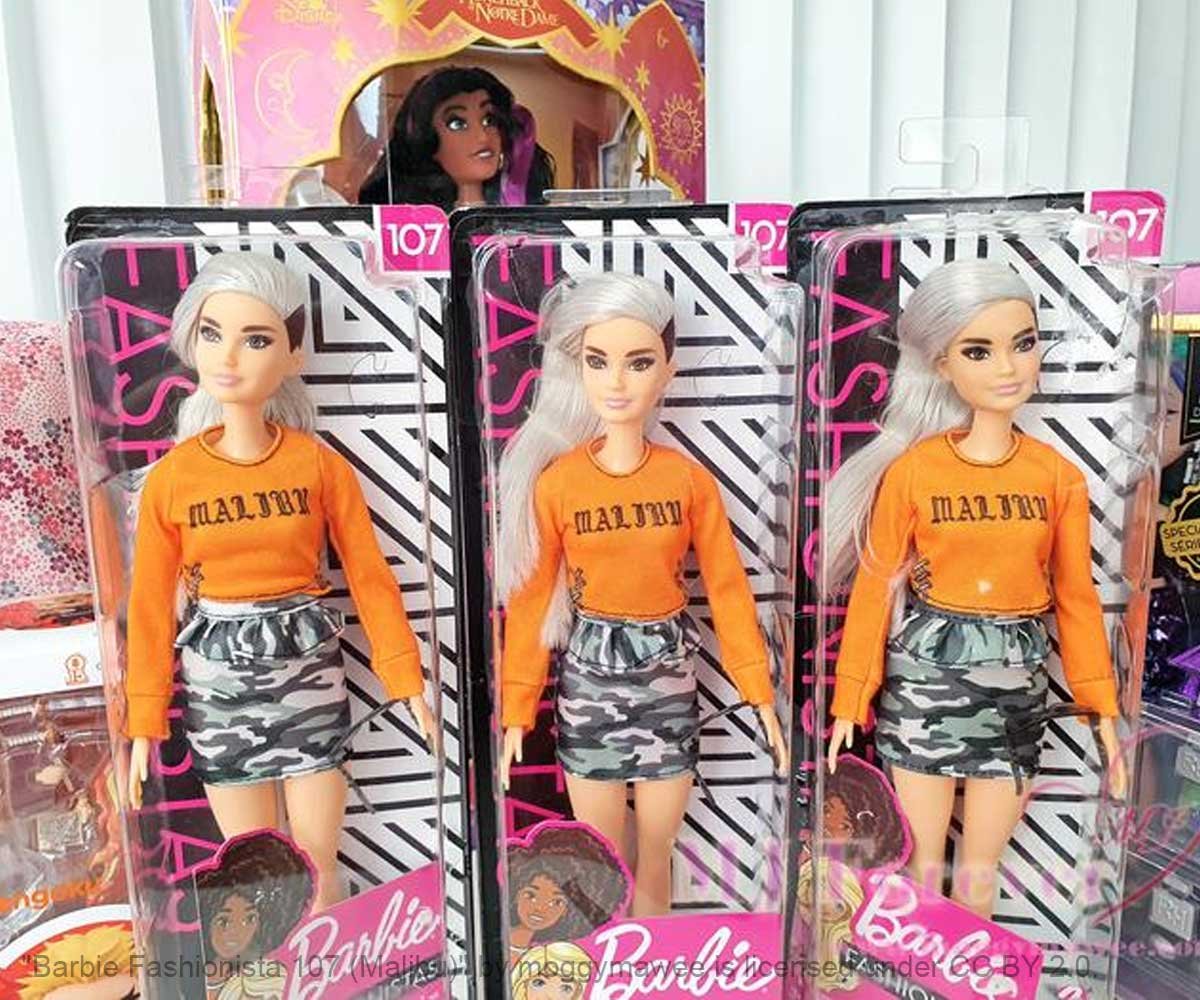
Using the same scientific methods as the original study, researchers measured today’s Fashionista Barbie dolls – including Curvy, Tall, Petite and Standard Barbie – as well as the latest Ken doll, to determine how closely their body proportions match those of real adults.
Advertisement
Barbie’s Body Proportion: Leaving Perfect Behind, Getting Closer to Real
The findings show that key body proportions, including waist-to-hip and chest-to-waist ratios, are now much closer to those seen in real populations.
Among the Fashionista range, Curvy Barbie most closely matched today’s average female body proportions, while the latest Ken also showed more realistic proportions than previous versions.
Lead researcher Associate Professor Sara Grafenauer from UNSW Medicine & Health said the findings show the toy industry has made measurable progress, with the new Barbie and Ken range reflecting greater body diversity.
How Many People Could Actually Have Barbie’s Body?
“Barbie and Ken are among the most recognisable cultural icons globally, and for many children, they’re an early and influential representation of what bodies of adults ‘should’ look like,” Assoc Prof Grafenauer said.
“But traditional Barbie and Ken dolls have always had unrealistic and statistically improbable body shapes. In fact, the original dolls’ body shapes were so extreme that less than one in 10 million people could match their proportions.
How Realistic is Barbie’s Body Today?
“Our study found that Barbie and Ken’s body proportions today have become markedly more realistic, with waist-to-hip and chest-to-waist measurements now falling within the normal range for key female body proportions, albeit still below the typical female averages.
“Interestingly, while Ken’s overall body shape has become more realistic, some proportions ¬– particularly his chest-to-waist ratio ¬¬remain less representative of the average man.”
From Barbie to Body Image: The Pressure to Be Perfect
Research has consistently shown that exposure to unrealistic body ideals can influence body image, expectations, and even health behaviours, particularly among children and teens.
Co-researcher, and author of the 1996 study, Professor Kevin Norton said the findings reflected changing community expectations around representation.
“The positive changes we’re seeing in Barbie and Ken’s body shapes should provide some reassurance for health professionals and parents choosing these dolls,” Prof Norton said.
“The greater diversity we’re seeing is a positive step that better reflects the people children see around them every day.
“We know Barbie and Ken are promoted as aspirational role models, so it makes sense that their body shapes and proportions are meaningful to those who play with them.”
Co-researcher Belinda Durey said continued diversity in body shape, size and proportion, alongside positive messages about health, inclusion and body diversity, could further improve how children see themselves and others.
More Than Play: How Toys Shape Young Minds?
“Children’s toys do more than entertain, they help shape perceptions of bodies, health and identity. The more those toys reflect the diversity of real people, the more positive that influence can be,” Durey said.
“The introduction of multiple body shapes is a positive step. Continued diversification – including variation in size, shape and proportion – can better reflect real populations.
“There’s no doubt that today’s Barbie and Ken are still stylised, but they’re substantially closer to average human body proportions than earlier generations, and that’s a step in the right direction.”
Reference:
- The evolution of life size Barbie and Ken: Are they any closer to reality? – (https://journals.plos.org/plosone/article?id=10.1371/journal.pone.0351794)
Source-Eurekalert