

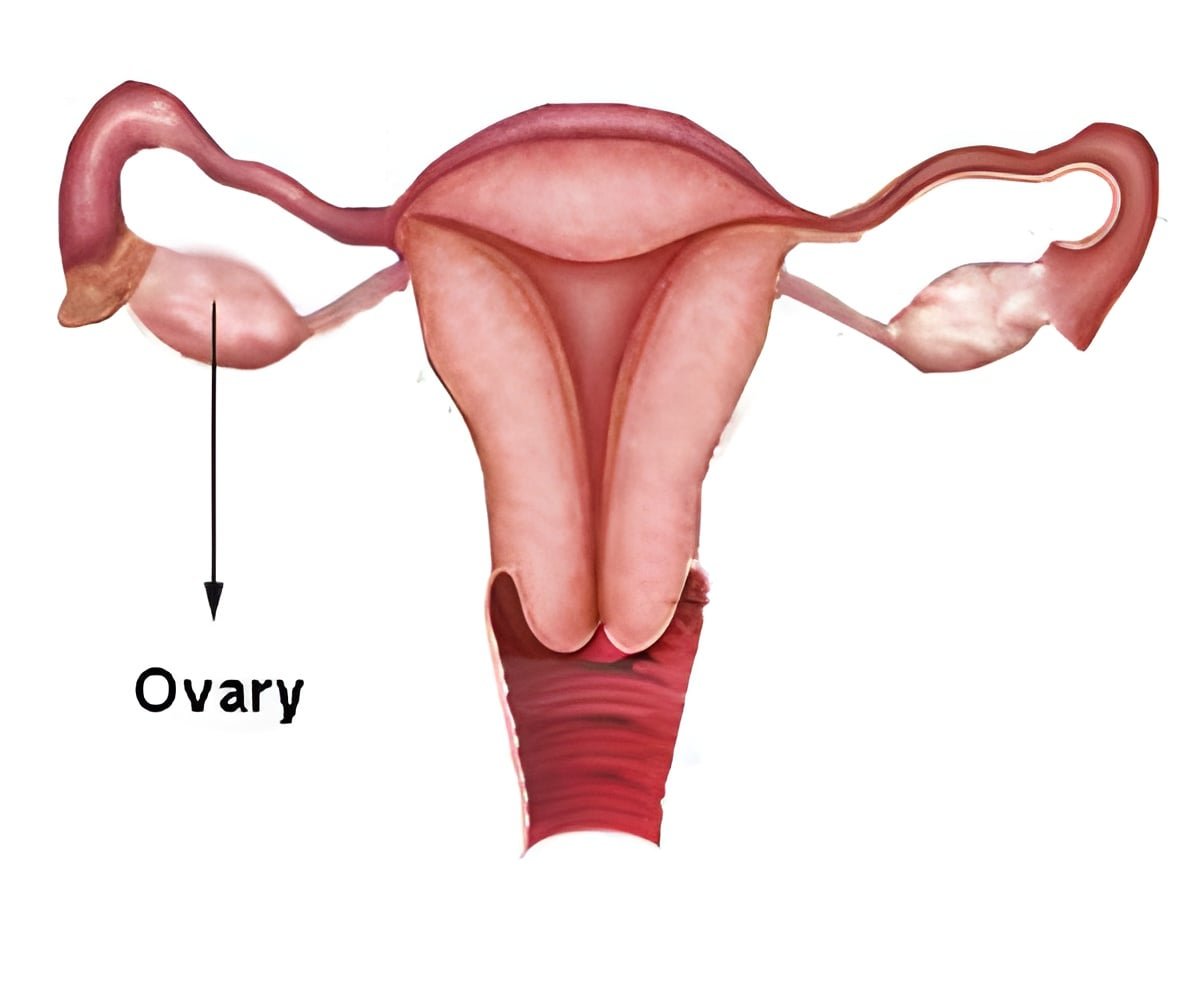
The FIGO HyPO-P classification offers a structured framework for understanding and diagnosing ovulatory disorders.
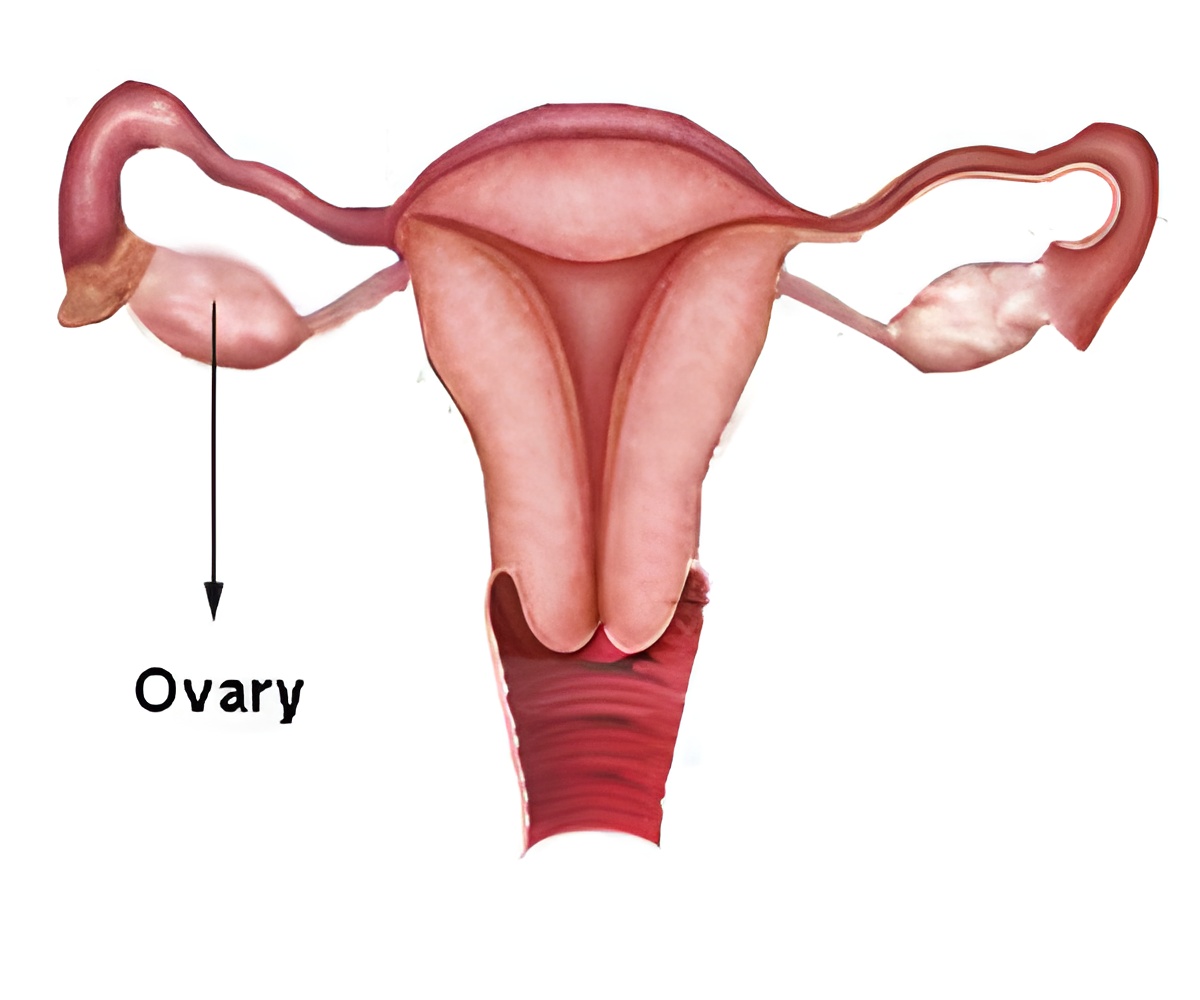
- FIGO HyPO-P classification provides a structured approach to diagnosing ovulatory disorders
- Ovulatory disorder diagnosis goes beyond symptoms to identify the underlying cause of disrupted ovulation
- Accurate classification of ovulatory dysfunction supports more individualized fertility and menstrual health management
Every month, countless women notice changes in their menstrual cycle without realizing that these patterns can provide important clues about their reproductive health. A missed period, irregular bleeding, or months without ovulation may have very different underlying causes, making an accurate diagnosis the first step toward appropriate care. A comprehensive review published in Human Reproduction Update explains how the International Federation of Gynecology and Obstetrics (FIGO) has introduced a modern classification system to improve the diagnosis and management of ovulatory disorders (1✔ ✔Trusted Source
A comprehensive review of the new FIGO classification of ovulatory disorders
).
The review highlights that the World Health Organization (WHO) classification of ovulatory disorders, introduced about 50 years ago, has now been updated through an international consensus process. The new FIGO HyPO-P classification organizes ovulatory disorders into four primary categories: hypothalamic, pituitary, ovarian, and polycystic ovary syndrome (PCOS). Within each category, conditions are further grouped according to their cause, providing a more systematic approach to diagnosis and management.
Advertisement
Why the New FIGO Classification Matters for Ovulatory Disorders
Ovulatory disorders affect much more than fertility. They can disrupt menstrual cycles, alter hormone balance, and affect overall well-being. The review explains that these disorders range from irregular ovulation to complete absence of ovulation, with causes that may be temporary, permanent, or intermittent.
Earlier classification systems primarily relied on hormone patterns. As medical knowledge has expanded, clinicians now recognize that similar symptoms can arise from many different conditions. The updated FIGO framework reflects this broader understanding by focusing on where the disorder originates rather than relying solely on laboratory findings.
This shift helps distinguish conditions that may appear similar on the surface but require different approaches to diagnosis and management.
Advertisement
Understanding the FIGO HyPO-P Classification
The new system groups ovulatory disorders into four major anatomical categories:
- Hypothalamic disorders, involving the brain’s hormonal control centre.
- Pituitary disorders, affecting the gland that regulates reproductive hormones.
- Ovarian disorders, where the ovaries themselves are responsible for disrupted ovulation.
- Polycystic ovary syndrome (PCOS), recognized separately because of its complex and multifactorial nature.
Each category is then classified according to the underlying cause, including:
- Genetic
- Autoimmune
- Iatrogenic (treatment-related)
- Neoplastic
- Functional
- Infectious and inflammatory
- Trauma and vascular
- Physiological
- Idiopathic
- Endocrine
This can be remembered using the mnemonic GAIN-FIT-PIE. This layered approach allows healthcare professionals to move beyond simply identifying that ovulation is absent and instead determine why it has occurred.
Advertisement
Ovulation Assessment Goes Beyond a Single Blood Test
The review emphasizes that diagnosing ovulatory disorders often requires combining several pieces of information rather than relying on one investigation.
Assessment may include:
1. Menstrual cycle patterns
2. Hormone measurements
3. Pelvic ultrasound
4. Evaluation of ovarian activity
5. Assessment of ovarian reserve when appropriate
Someone experiencing unpredictable menstrual cycles after years of regular periods may need a different diagnostic pathway than a teenager whose menstrual cycles are still developing. Likewise, a woman who has stopped menstruating after significant weight loss requires a different evaluation from someone with features suggestive of PCOS.
Looking at these factors together provides a clearer picture of reproductive function than any single test alone.
Recognizing the Many Causes of Ovulatory Dysfunction
The review highlights that ovulatory disorders are not a single condition but a broad group of disorders with diverse underlying causes. Because similar menstrual symptoms can arise from different parts of the reproductive system, identifying the source of the problem is essential for making an accurate diagnosis. Rather than focusing only on whether ovulation has stopped or become irregular, the updated FIGO classification encourages a systematic evaluation that helps distinguish the underlying cause and supports more individualized clinical management.
A More Personalized Approach to Reproductive Health
As understanding of reproductive medicine has evolved over the past five decades, classification systems have also become more detailed and clinically useful. Rather than fitting every patient into a limited number of categories, the FIGO framework recognizes the complexity of ovulatory disorders and provides a structured pathway for identifying their underlying cause.
Balen and colleagues state, “Improving the diagnosis of an individual’s ovulatory dysfunction will significantly impact clinical practice by enabling healthcare practitioners to make a precise diagnosis and plan appropriate management.” This reflects the central aim of the updated classification: helping clinicians move from identifying abnormal ovulation to understanding the reason behind it.
A woman trying to conceive after months of irregular cycles may benefit from a diagnosis that pinpoints the source of the problem instead of receiving a broad label of “anovulation.” Similarly, someone seeking answers for persistent menstrual irregularities can have a more focused evaluation guided by the updated classification.
The review illustrates how advances in reproductive medicine are reshaping the way ovulatory disorders are understood. By organizing conditions according to their origin and underlying cause, the FIGO HyPO-P classification offers a clearer framework for diagnosis, encourages more individualized clinical assessment, and supports better-informed decisions for people experiencing ovulatory dysfunction.
If persistent changes in your menstrual cycle or ovulation raise concerns, discussing them with a qualified healthcare professional can help ensure that evaluation is guided by the most appropriate diagnostic approach.
Reference:
- A comprehensive review of the new FIGO classification of ovulatory disorders – (https://pubmed.ncbi.nlm.nih.gov/38412452/)
Source-Medindia