


5 min readNew DelhiAug 6, 2026 06:00 AM IST
Ram Kapoor recently recalled being his unhealthiest when he was the highest-rated television star. “I have worked for 27 years. I have done a lot of films and everything, but one show that gave me my identity was Bade Achhe Lagte Hain. I’ve kept one secret from the world. Even my wife doesn’t know. During the show, I went through the worst depression of my life. I received so much love because of my weight. I was talked about so much that I was the highest-rated TV star for a while. And I kept gaining more and more weight. My doctors told me I’d become so unhealthy that I could die in six months. I could have had a diabetic stroke because I was on insulin three times a day. My blood sugar was 400, 500, even over 600. And I worked 14 hours a day,” he revealed on Lock Upp Season 2, from which he was recently eliminated.
DISCLAIMER: This article is based on information from the public domain and/or the experts we spoke to. Always consult your health practitioner before starting any routine.

He continued, “I didn’t want to do anything about it because I was receiving so much and getting so much money…how could I have walked away from all that? I became a very ugly person. I’d show up six hours late for shoots. I’d drink on set. I’d speak to people very rudely. I became a monster. An absolute monster.”
Dr Pranav Ghody, consultant endocrinologist and diabetologist, Wockhardt Hospitals Mumbai Central, concurred that a blood sugar level exceeding 600 mg/dL constitutes a medical emergency, not merely an indication of poor diabetes control. “When levels get this high, the body becomes seriously dehydrated since the excess sugar causes water to be drawn out of the body via urine. This may result in a dangerous condition known as Hyperosmolar Hyperglycaemic State (HHS), a condition which is more frequently observed in individuals having Type 2 diabetes. In the absence of prompt treatment, it can cause confusion, seizures, a coma and, in serious instances, death. Readings like this should never be looked after at home and demand immediate hospital treatment,” said Dr Ghody.
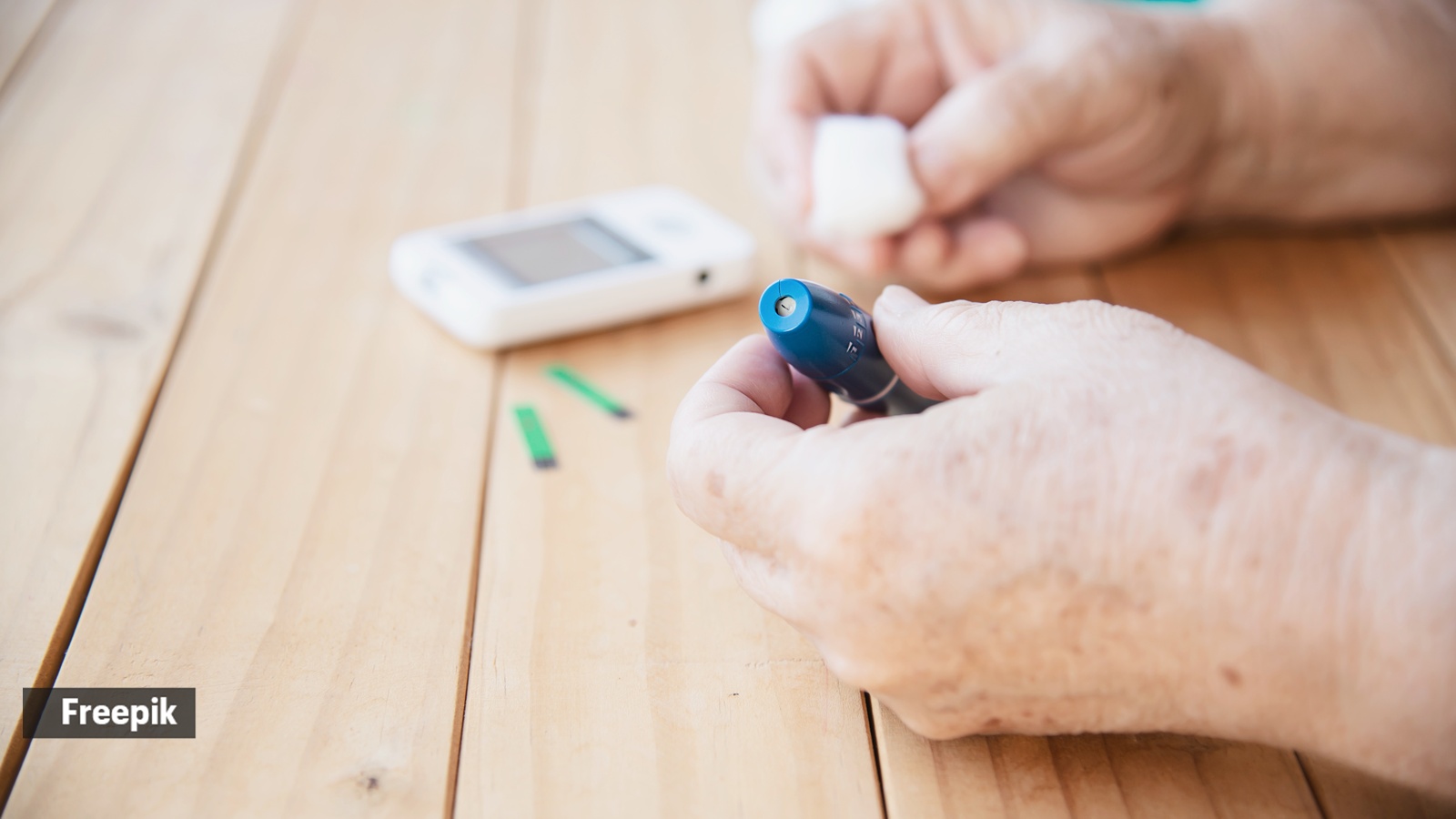 A high blood sugar is a medical emergency (Photo: Freepik)
Does uncontrolled diabetes raise the possibility of having a stroke or other serious complications?
Yes, said Dr Ghody, adding that consistently high blood sugar causes damage to blood vessels and nerves all over the body; over time this greatly increases the chances of having a stroke, experiencing a heart attack, developing kidney disease, losing one’s vision and suffering nerve damage. “If blood sugar stays extremely high for a long time, the blood also becomes thicker as a result of dehydration, thus increasing the probability of serious cardiovascular events. Although a stroke is not certain, uncontrolled diabetes is one of the most significant modifiable risk factors and so early diagnosis together with continuous treatment is essential.”
Is it possible for a person to seem completely normal even if their blood sugar level is very high?
Admitting that it is “surprising,” said Dr Ghody told indianexpress.com, “A great many people keep on with their normal daily activities even though their blood sugar levels are dangerously high since the increase usually takes place gradually and the body gets used to it. Because of this, diabetes is sometimes referred to as a ‘silent’ disease. Nevertheless, there are warning signs which must never be ignored, such as intense thirst, needing to urinate frequently, losing weight without any obvious reason, constant fatigue, blurred vision, frequent infections and wounds that take a long time to heal. When sugar levels rise even more, symptoms like drowsiness, confusion, severe weakness or changes in consciousness may appear, indicating the need for urgent medical attention.”
Diabetes seldom becomes dangerous all at once; instead, it advances slowly over months or years, providing the body with several warning signs during this time. “Those who are overweight, have a family history of diabetes or lead a sedentary lifestyle should have regular health checks since this can enable the condition to be picked up before any complications occur,” said Dr Ghody.
The good point is that effective management of diabetes is possible through prompt treatment, a healthy diet, physical activity and consistent monitoring. “It is only when symptoms have become serious that one realises the disease has already caused damage which could have been avoided,” said Dr Ghody.
Story continues below this ad
DISCLAIMER: This article is based on information from the public domain and/or the experts we spoke to. Always consult your health practitioner before starting any routine.