

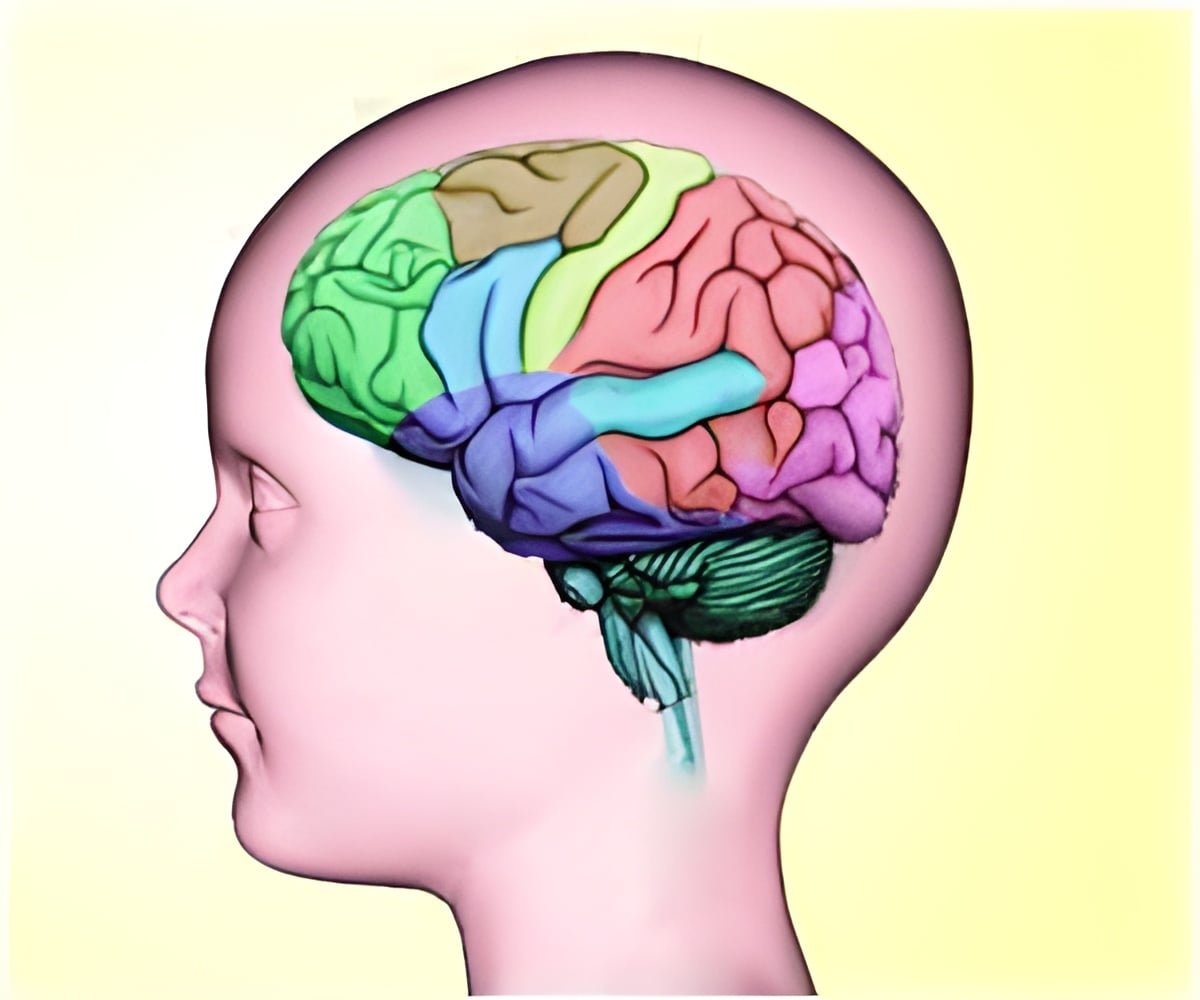
Reflex epilepsy is a rare neurological condition where flashing lights, music, hot showers, or reading may trigger seizures in susceptible people.
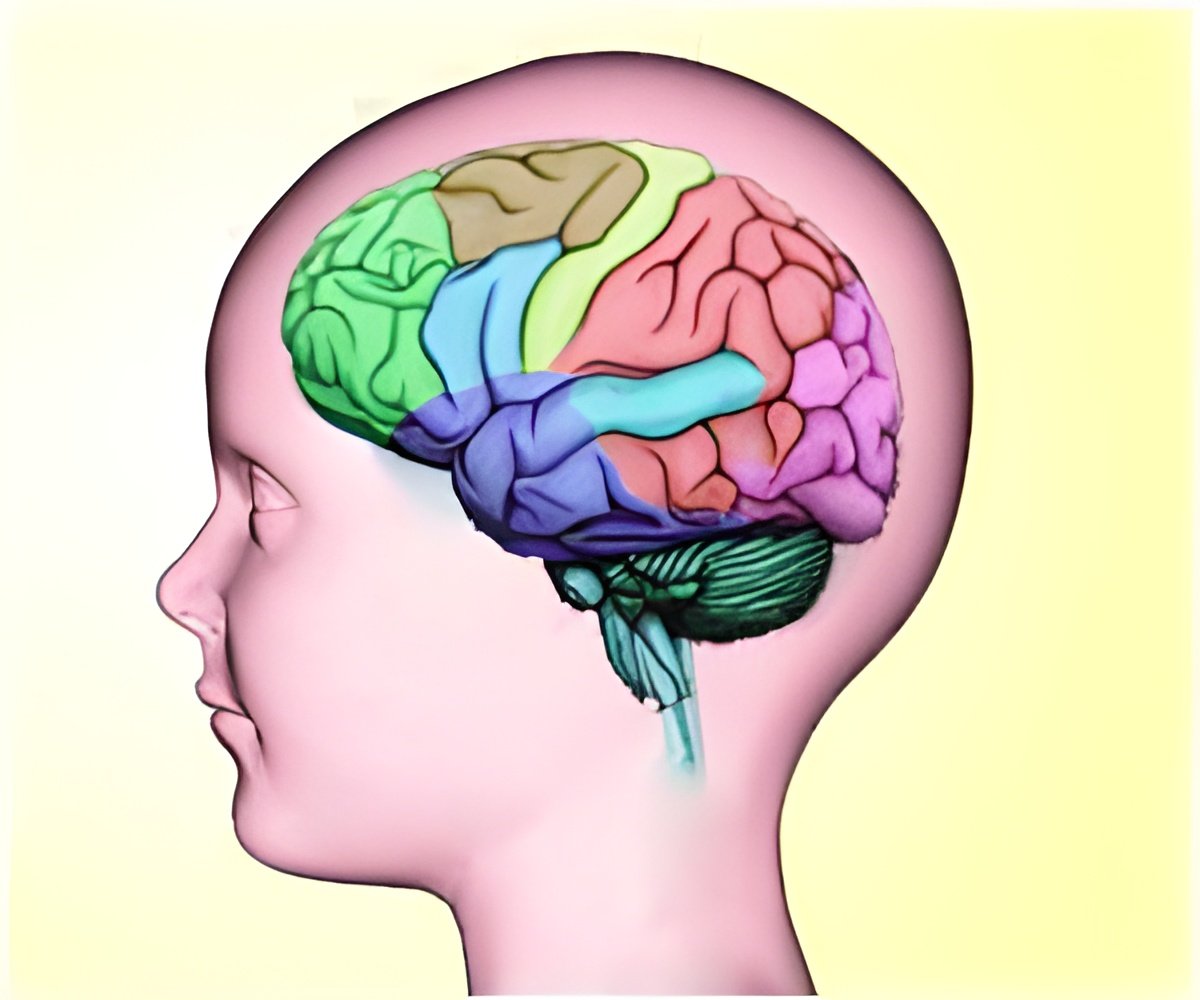
- Reflex epilepsy is a rare seizure disorder in which specific triggers can repeatedly provoke seizures
- Flashing lights, music, hot showers, and reading are among the best-recognized seizure triggers in susceptible individuals
- Early diagnosis, trigger identification, and personalized treatment can help improve seizure control and quality of life
More than 50 million people worldwide are living with epilepsy, yet few people know that, for some, everyday activities such as flashing lights, music, hot showers, or even reading can trigger seizures instead of occurring unexpectedly.
This rare condition, known as reflex epilepsy, accounts for an estimated 4% to 7% of epilepsy cases and differs from other forms of epilepsy because seizures are consistently linked to specific triggers rather than happening at random (1✔ ✔Trusted Source
Reflex epilepsy: triggers and management strategies
)(3✔ ✔Trusted Source
Epilepsy
).
Understanding these triggers can lead to earlier diagnosis, better seizure control, and safer daily living. This article explains how reflex epilepsy works, who may be affected, and what current scientific evidence says about its diagnosis and management.
Advertisement
What Is Reflex Epilepsy? Symptoms, Causes, and Who Is at Risk
Reflex epilepsy is a rare type of epilepsy in which seizures are consistently triggered by a specific stimulus rather than occurring without warning. These triggers may be visual, auditory, temperature-related, or cognitive, meaning they involve activities such as seeing flashing lights, listening to certain music, taking a hot shower, or reading.
Unlike most forms of epilepsy, where seizures happen unpredictably, people with reflex epilepsy often experience seizures only after exposure to their individual trigger (1✔ ✔Trusted Source
Reflex epilepsy: triggers and management strategies
Scientists believe these triggers may overactivate specific brain networks that are already more sensitive in susceptible individuals. This abnormal electrical activity can spread through the brain and result in a seizure.
The exact mechanism varies depending on the type of reflex epilepsy and a person’s underlying brain activity. Researchers are still investigating why only some people develop this condition.
Although reflex epilepsy can occur at any age, certain forms are more common in children, adolescents, and young adults. The type of trigger also varies between individuals.
Some people react only to flashing lights, while others may develop seizures after reading aloud, hearing a particular piece of music, or pouring very hot water over their head during bathing. Recognizing these trigger patterns is often the first step toward an accurate diagnosis, personalized treatment, and better seizure management.
Advertisement
How Flashing Lights Trigger Seizures in Photosensitive Epilepsy
Photosensitive epilepsy is the most common form of reflex epilepsy, in which flashing or flickering lights can trigger seizures in susceptible individuals.
Common triggers include strobe lights, rapidly changing television images, certain video games, flashing LED displays, and high-contrast visual patterns.
However, it is important to understand that most people with epilepsy are not photosensitive, and most people can safely use digital screens or be exposed to flashing lights without experiencing a seizure.
Researchers believe that rapidly flickering light may over activate the brain’s visual processing network in people who are genetically or neurologically susceptible. This abnormal electrical activity can spread to other parts of the brain, leading to a seizure.
The likelihood of a seizure depends on several factors, including the frequency, brightness, contrast, and duration of the flashing light, as well as an individual’s sensitivity.
Photosensitive epilepsy is more commonly diagnosed in children, adolescents, and young adults than in older adults.
Doctors usually confirm the diagnosis using an electroencephalogram (EEG), a painless test that records the brain’s electrical activity. During the test, controlled flashing lights may be used to determine whether they produce characteristic changes associated with photosensitive seizures (2✔ ✔Trusted Source
Operational classification of seizure types by the International League Against Epilepsy: Position Paper of the ILAE Commission for Classification and Terminology
Although avoiding known triggers can help reduce the risk of seizures, it should not replace medical care. People who experience seizures after exposure to flashing lights or other visual stimuli should consult a neurologist for a comprehensive evaluation and appropriate treatment.
Advertisement
Why Music, Hot Showers, and Reading Can Trigger Reflex Epilepsy
While photosensitive epilepsy is the best-known type of reflex epilepsy, medical literature describes several other rare forms in which seizures are triggered by specific everyday activities.
These include listening to certain types of music, taking hot showers or baths, and even reading. Each trigger activates different brain networks, which is why seizure patterns vary from one person to another.
One uncommon subtype is musicogenic epilepsy, in which a particular song, melody, rhythm, or even an emotional response to music can repeatedly trigger seizures. The trigger is usually highly specific to the individual, meaning a person may react to one particular piece of music while having no problem listening to others.
Another rare form is hot-water epilepsy, where seizures occur when very hot water is poured over the head during bathing. This condition has been reported more frequently in parts of India and other regions of Asia, although it remains uncommon worldwide. Using lukewarm water instead of very hot water may help reduce the likelihood of seizures in people with this condition.
Reading epilepsy is another recognized subtype in which prolonged reading, especially reading aloud or reading complex text, can trigger seizures. Researchers believe that sustained activation of language-processing areas in the brain may contribute to seizure onset in susceptible individuals, although the exact mechanism is still being investigated.
These uncommon forms of reflex epilepsy highlight that seizure triggers are highly individual. Identifying a consistent pattern between a trigger and seizure episodes is an important step toward diagnosis and helps doctors develop a personalized management plan.
How Doctors Diagnose and Treat Reflex Epilepsy
Diagnosing reflex epilepsy begins with identifying a clear and repeated link between a specific trigger and seizure episodes. A neurologist will review the person’s medical history, seizure pattern, possible triggers, and family history before performing a neurological examination. Keeping a seizure diary that records when seizures occur and what happened beforehand can help identify trigger patterns and support an accurate diagnosis.
One of the most important tests is an electroencephalogram (EEG), which records the brain’s electrical activity. If photosensitive epilepsy is suspected, doctors may use controlled flashing lights during the EEG to see whether they produce characteristic electrical changes associated with seizures.
Depending on the person’s symptoms, a magnetic resonance imaging (MRI) scan may also be recommended to look for structural abnormalities in the brain or to rule out other neurological conditions.
Treatment is tailored to the individual’s seizure type, trigger, age, and overall health. For many people, the most effective approach combines avoiding known seizure triggers with anti-seizure medications prescribed by a neurologist. Treatment plans should never be changed without medical advice, even if seizures become less frequent.
Common Reflex Epilepsy Triggers and Examples
| Trigger | Examples |
|---|---|
| Flashing lights | Strobe lights, rapidly flickering television screens, certain video games, and flashing LED displays may trigger seizures in susceptible individuals. |
| Music | A specific song, melody, rhythm, or emotional response to music may provoke seizures in people with musicogenic epilepsy. |
| Hot showers | Pouring very hot water over the head during bathing may trigger seizures in people with hot-water epilepsy. |
| Reading | Reading aloud or prolonged reading may trigger seizures in people with reading epilepsy. |
How to Reduce the Risk of Triggered Seizures
Although reflex epilepsy cannot always be prevented, understanding personal seizure triggers can help many people reduce the risk of future episodes and improve their quality of life.
Effective seizure management usually combines medical treatment, healthy lifestyle habits, and trigger awareness. Because triggers vary from one person to another, the most effective prevention plan is one developed with a neurologist (1✔ ✔Trusted Source
Reflex epilepsy: triggers and management strategies
Go to source)(2✔ ✔Trusted Source
Operational classification of seizure types by the International League Against Epilepsy: Position Paper of the ILAE Commission for Classification and Terminology
The following measures may help reduce the risk of trigger-induced seizures:
- Identify and avoid your known seizure triggers whenever possible
- Take anti-seizure medication exactly as prescribed and attend regular follow-up appointments
- Get adequate sleep, manage stress, and avoid skipping meals, as these factors may lower the seizure threshold
- Inform family members, teachers, or caregivers about your seizure triggers so they can provide timely support during an emergency
These measures are intended to complement, not replace, medical care. Anyone who experiences a first seizure or notices that seizures are becoming more frequent or changing in pattern should seek prompt medical evaluation.
Living Well with Reflex Epilepsy: Why Early Recognition Matters
Reflex epilepsy may be uncommon, but recognizing its triggers can make a meaningful difference in diagnosis, treatment, and everyday life. Whether the trigger is flashing lights, music, hot showers, or reading, identifying a consistent pattern allows healthcare professionals to recommend personalized strategies that help reduce seizure risk while supporting normal daily activities.
It is equally important to remember that these triggers do not cause seizures in the general population. Most people can safely enjoy concerts, use digital devices, read, or take hot showers without any concern. These triggers are relevant only to a small group of people with reflex epilepsy, making an accurate diagnosis essential before making lifestyle changes.
With growing awareness, timely medical evaluation, and individualized treatment, many people with reflex epilepsy can successfully manage their condition and continue to study, work, travel, and participate in everyday activities with confidence. Understanding your triggers is not about limiting your life. It is about making informed choices that support better seizure control, greater independence, and long-term well-being.
Frequently Asked Questions
Q: What is reflex epilepsy?
A: Reflex epilepsy is a rare type of epilepsy in which seizures are triggered by specific stimuli, such as flashing lights, music, hot showers, or reading.
Q: Can flashing lights trigger seizures in everyone?
A: No. Flashing lights trigger seizures only in some people with photosensitive epilepsy. Most people, including most people with epilepsy, are not affected.
Q: Why can hot showers trigger seizures?
A: In rare cases, very hot water poured over the head can trigger seizures in people with hot-water epilepsy, a subtype of reflex epilepsy.
Q: How is reflex epilepsy diagnosed?
A: Doctors diagnose reflex epilepsy by reviewing seizure history, identifying triggers, and performing tests such as an EEG. An MRI may also be recommended in some cases.
Q: Can reflex epilepsy be treated?
A: Yes. Most people can improve seizure control by avoiding known triggers, taking prescribed medication, and having regular follow-up with a neurologist.
References:
- Reflex epilepsy: triggers and management strategies – (https://pmc.ncbi.nlm.nih.gov/articles/PMC5779309/)
- Operational classification of seizure types by the International League Against Epilepsy: Position Paper of the ILAE Commission for Classification and Terminology – (https://pubmed.ncbi.nlm.nih.gov/28276060/)
- Epilepsy – (https://www.who.int/news-room/fact-sheets/detail/epilepsy)
Source-Medindia