

A hydatid cyst can grow silently in your body for years without a single symptom — as one Welsh sheep farmer discovered the hard way, after decades of working alongside the animals that carry it.

Meredydd Jones, an 86-year-old sheep farmer from Trecastle in Powys, Wales, believes he carried slow-growing cysts in his lungs for years without knowing it — until one night in 2016, when the pain became too much to bear (1✔ ✔Trusted Source
I didn’t know I’d been hosting a parasite for years – until the most intense pain of my life
).
“I hadn’t been able to control the pain, and it was more intense than anything I had before,” Jones recalled of the night he was rushed to hospital. He was later diagnosed with hydatid disease and underwent two operations, in 2018 and 2019, to remove the cysts.
Advertisement
What Is Hydatid Disease?
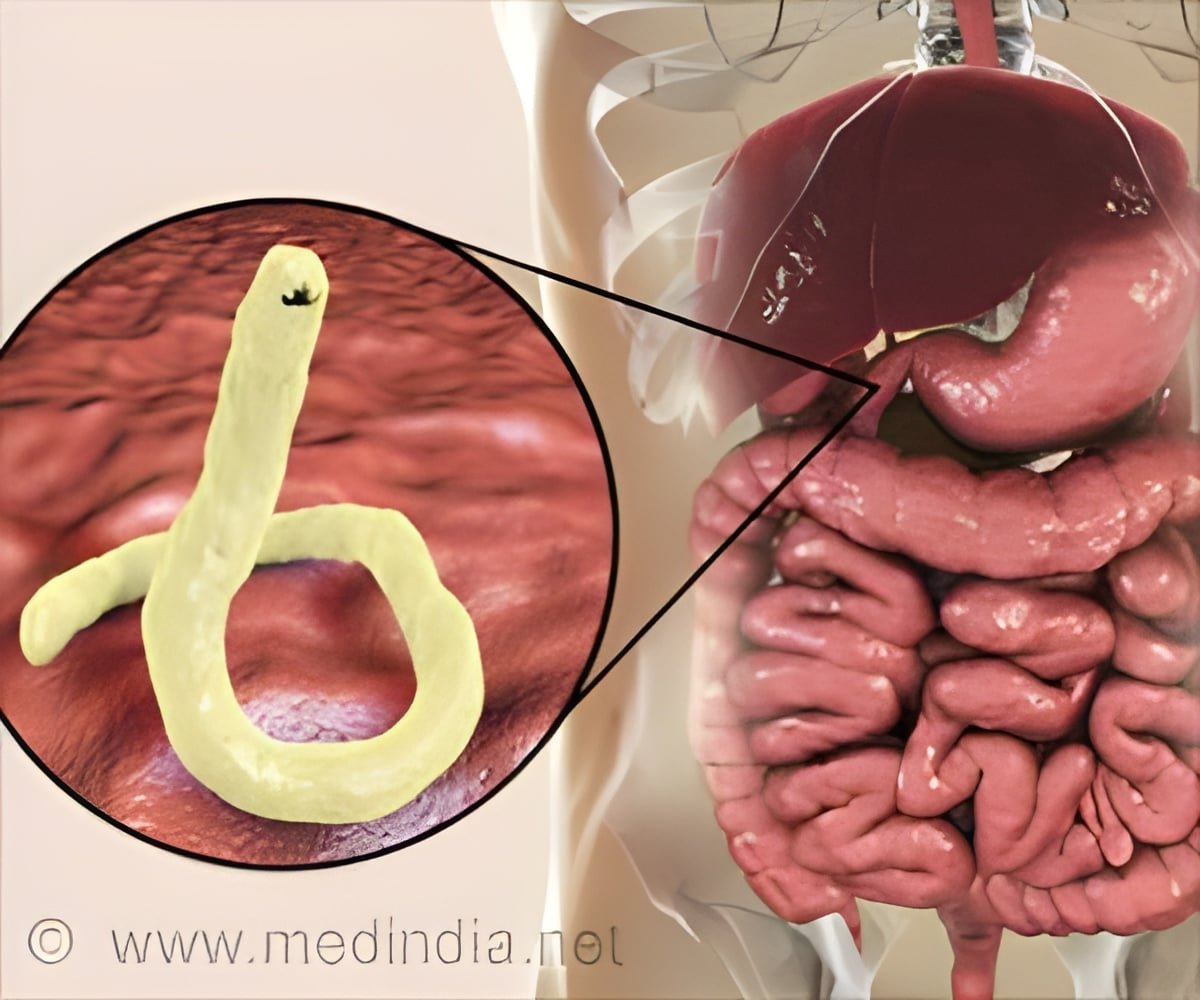
Hydatid disease — also called echinococcosis or cystic echinococcosis — is a parasitic infection caused by the larval stage of Echinococcus granulosus, commonly known as the dog tapeworm. It’s classified as a neglected tropical disease by the World Health Organization.
The parasite’s life cycle typically involves two animals: dogs (or foxes) as the primary host, and sheep or cattle as intermediate hosts. Dogs pick up the tapeworm by eating infected offal (internal organs like heart, brain, etc) from sheep, then shed microscopic eggs in their faeces. Sheep become infected by grazing on contaminated pasture, completing the cycle. (2✔ ✔Trusted Source
About Echinococcosis
Advertisement
Can Humans Get Tapeworms from Sheepdogs?
Yes — though not from eating meat. Humans become infected by accidentally swallowing tapeworm eggs, most commonly by touching a dog that has eggs on its coat or face, or by not washing hands properly after contact with dog faeces. According to the British Liver Trust, even something as simple as a dog licking a person’s face can transmit the eggs.
Once swallowed, the eggs hatch and larvae travel through the bloodstream, most often settling in the liver (around 75% of human cases) or lungs (5-15%), where they slowly form fluid-filled cysts over months or years.
Wales’s own public health guidance recommends a worming routine roughly every six weeks during the walking season for dogs in farming areas, as regular deworming significantly reduces the risk of the parasite spreading to humans (3✔ ✔Trusted Source
Hydatid Disease – Question and Answer Sheet
Advertisement
What Are the Symptoms of Hydatid Disease in Humans?
This is what makes hydatid disease particularly deceptive: according to the Center for disease control and prevention(CDC), the incubation period is often prolonged for years and most cases remain completely asymptomatic until cysts grow large enough to cause problems.
Depending on location, symptoms can include abdominal pain and jaundice (liver cysts) or chest pain and coughing (lung cysts). If a cyst ruptures, it can trigger a sudden, severe allergic reaction requiring emergency care.
Dr Chris Williams, a consultant epidemiologist with Public Health Wales, said the disease “can be very serious for humans,” even though it remains rare in the UK.
How Is Hydatid Disease Diagnosed and Treated?
Diagnosis typically relies on imaging — CT scans, MRI, or ultrasound — to detect and evaluate fluid-filled cysts in the liver, lungs, or other organs. Treatment options include surgery, antiparasitic medication such as albendazole, a minimally invasive procedure called PAIR (percutaneous aspiration, injection, and reaspiration), or in some cases, simply careful monitoring if the cyst is small and not causing problems.
Is hydatid disease curable?
With appropriate treatment, yes — though the CDC notes that outcomes depend heavily on cyst size, location, and how early it’s caught. It is not contagious between people; it can only spread through the dog-livestock-human cycle described above.
Why This Matters for Farming Communities
While rare overall in the UK, cases cluster in sheep-farming regions like Wales, western Scotland, and the Outer Hebrides Jones’s own home region, South Powys, was historically documented as a particular hotspot for human hydatid infection — making his case a striking, personal example of a risk that’s long been known locally, even as awareness of it has faded.
The researchers say the disease may be re-emerging. A new Aberystwyth University project is now using GPS trackers on sheepdogs to better understand exactly how common the parasite still is in mid Wales.
Public Health Wales describes hydatid disease as uncommon but still “a significant public health concern,” precisely because of stories like Jones’s — a healthy, active farmer who had no idea he was carrying it for years.
Reference:
- I didn’t know I’d been hosting a parasite for years – until the most intense pain of my life – (https://www.bbc.com/news/articles/c0jl7jj74n0o)
Source-Medindia