

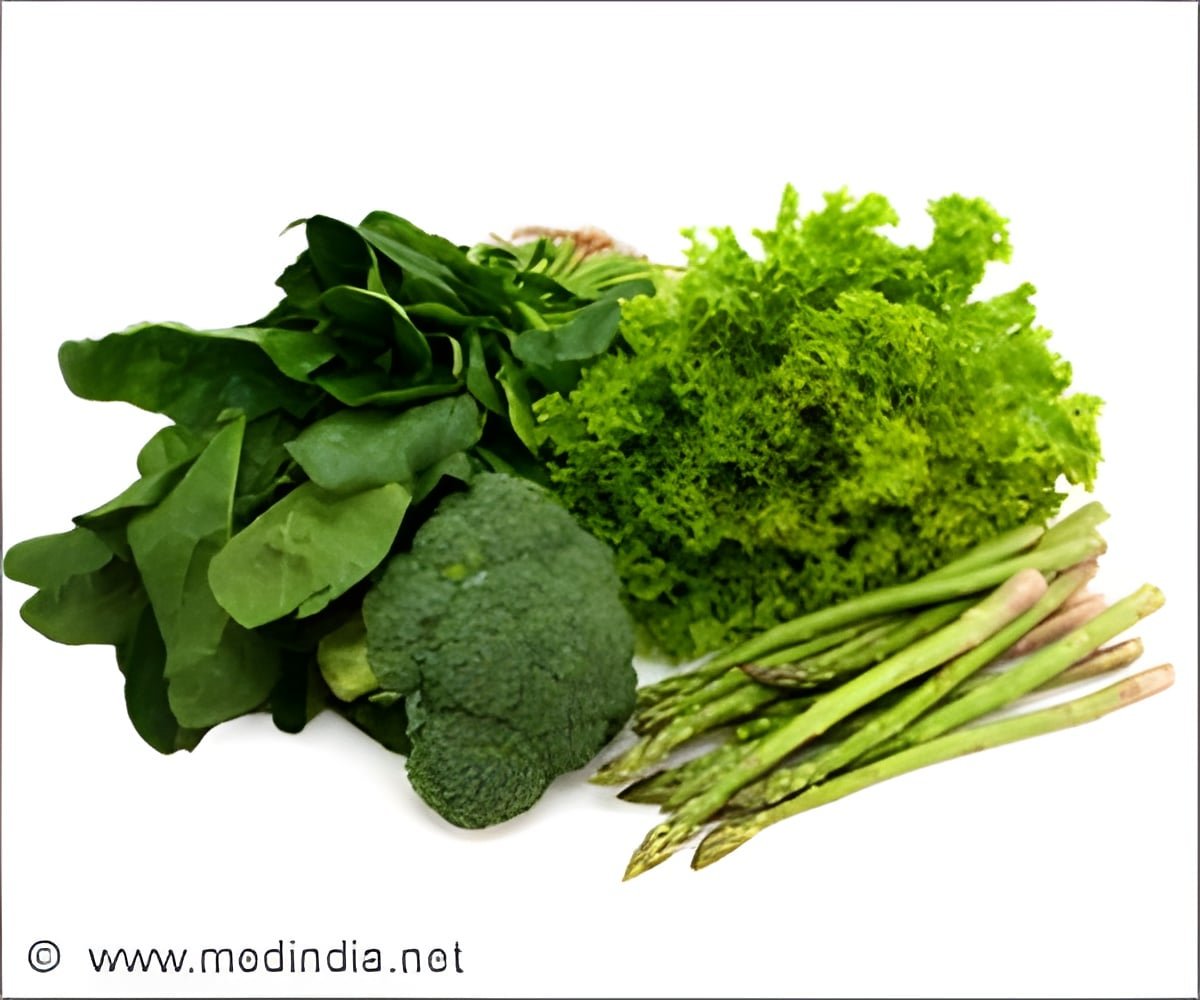
A review of produce-related outbreaks found leafy greens were involved most often, emphasizing the importance of fresh produce safety.
- Leafy greens accounted for the largest share of reported fresh produce-related foodborne outbreaks
- Outbreaks linked to fresh produce most commonly involved E. coli, Salmonella, norovirus, and hepatitis A
- Food safety depends on preventing contamination from seeds, water, and food handlers
Fresh fruits and vegetables are widely encouraged as part of a healthy diet, but because many are eaten raw or with minimal processing, they can also carry harmful microorganisms (1✔ ✔Trusted Source
Microbial Contamination of Fresh Produce: What, Where, and How?
).
A review published in Comprehensive Reviews in Food Science and Food Safety examined decades of foodborne disease outbreaks linked to fresh produce, highlighting which foods were most often involved and how contamination typically occurred.
The review identified 571 foodborne outbreaks involving fresh fruits and vegetables between 1980 and 2016, accounting for 72,855 infections and 173 deaths. Leafy green vegetables were linked to 51.7% of reported outbreaks, while contaminated soft fruits accounted for 27.8% of infections. Large outbreaks involving sprouted plants were responsible for 31.8% of deaths. The most common disease-causing microorganisms were Escherichia coli (E. coli), Salmonella, norovirus, and hepatitis A.
Advertisement
How Fresh Produce Becomes Contaminated
The analysis found that contamination most commonly occurred through:
- Seeds
- Water
- Food handlers
Because many fresh fruits and vegetables are consumed without cooking, they may not undergo processing steps that effectively remove or inactivate harmful microorganisms before reaching the plate.
Advertisement
Why Leafy Greens Need Extra Care
The findings draw attention to leafy green vegetables, which accounted for more than half of the reported outbreaks included in the review. This does not mean leafy greens are unsafe to eat, but it highlights the importance of careful handling throughout the food chain.
Preparing a salad for lunch or adding spinach to a sandwich may seem like simple everyday choices, yet these foods are often eaten raw. The review suggests that paying attention to food safety practices can be especially important for produce that is consumed without cooking.
Advertisement
Fresh Produce Safety: What the Findings Mean for Consumers
The review points to several microorganisms that have repeatedly been associated with fresh produce-related outbreaks:
Emerging evidence points to a broader picture in which fresh produce safety depends not only on healthy growing practices but also on preventing contamination during handling and distribution. Rather than focusing only on nutritional value, attention is increasingly being given to how produce reaches consumers safely.
Someone shopping for ready-to-eat vegetables from a grocery store may naturally assume they are free from contamination. These findings highlight why safe production and handling remain important even for foods widely regarded as healthy.
Standardized Data Could Improve Food Safety
As stated by lead author Bernardino Machado-Moreira, “There is a critical need for standardized datasets regarding all aspects of disease outbreaks, including how foodstuffs are contaminated with pathogenic microorganisms.”
The authors note that better information on contamination sources could help food business operators develop more effective strategies to improve the safety and quality of fresh produce. As understanding of produce-related outbreaks continues to evolve, more consistent reporting may strengthen efforts to reduce contamination before foods reach consumers.
Healthy eating and food safety go hand in hand. Every step taken to improve food safety supports healthier choices for individuals, families, and communities.
Frequently Asked Questions
Q: Which fresh produce was linked to the most foodborne outbreaks?
A: Leafy green vegetables accounted for 51.7% of the reported fresh produce-related outbreaks reviewed.
Q: Which microorganisms were most commonly involved in produce-related outbreaks?
A: The review identified E. coli, Salmonella, norovirus, and hepatitis A as the main pathogens.
Q: How did fresh produce become contaminated in the reviewed outbreaks?
A: Where known, contamination mainly occurred through contaminated seeds, contaminated water, and food handlers.
Q: Why can fresh fruits and vegetables pose a food safety risk?
A: Many are eaten raw or minimally processed, so harmful microorganisms may not be removed or inactivated before consumption.
Q: What did the authors recommend to improve fresh produce safety?
A: They emphasized the need for standardized data on foodborne disease outbreaks and contamination sources to help improve food safety strategies.
Reference:
- Microbial Contamination of Fresh Produce: What, Where, and How? – (https://ift.onlinelibrary.wiley.com/doi/10.1111/1541-4337.12487)
Source-Medindia