

2 min readUpdated: Aug 1, 2026 02:30 PM IST
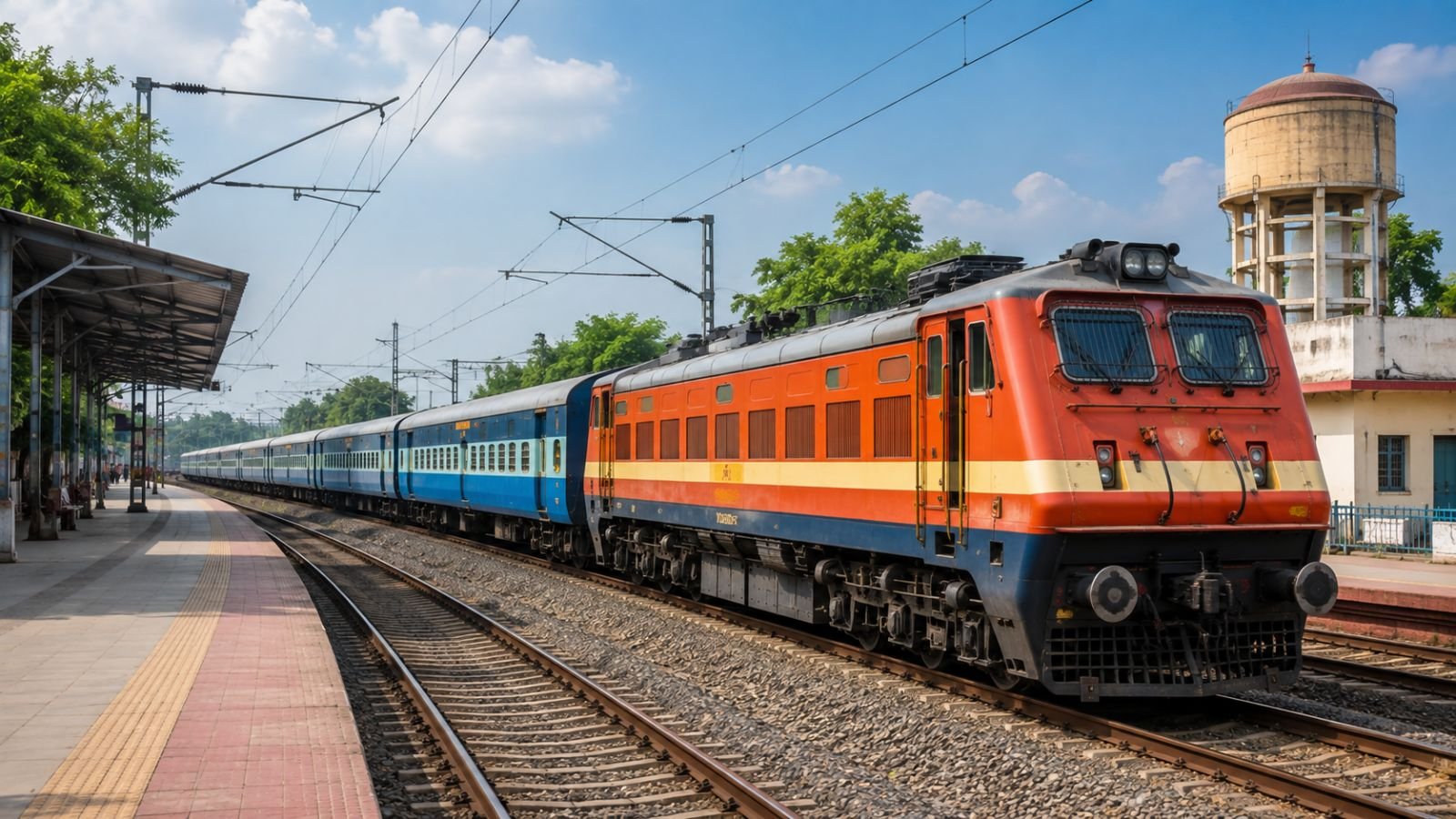
Direct train from Ludhiana to Jind: Indian Railways has approved a direct train service between Ludhiana and Jind by extending an existing passenger train. The move is expected to improve rail connectivity and provide greater convenience for daily commuters, students, office-goers, traders and passengers travelling between Punjab and Haryana. The train is being maintained and operated by the Northern Railway (NR) zone.
Ludhiana-Jind Junction direct train: Route, Train number
After the extension, train number 54054 will run from Ludhiana to Jind, while train number 54053 will operate from Jind to Ludhiana. The train’s route will be extended from 128 km to 200 km. The extended service will eliminate the need for passengers to change trains at Jakhal for onward journeys to Jind. Thus, it will provide direct and uninterrupted rail connectivity between the two cities.

Ludhiana-Jind Junction direct train: Stoppages
During its journey, train number 54054/54053 will stop at 20 stations between Ludhiana and Jind Junction. These include Gill, Kila Raipur, Ahmadgarh, Rhra Ghalughra, Kup, Malerkotla, Himmatana, Dhuri Junction, Bahadur Singh Wala, Sangrur, Bharur, Sunam Udham Singh Wala, Chajli, Govindgarh Khokhar, Lehra Gaga, Gurnay, Jakhal, Tohana, Narwana Junction and Uchana railway stations.
Ludhiana-Jind Direct Train: Route Extension
54054 / 54053
Train numbers, both directions
20 Stops
Between Ludhiana and Jind Junction
Journey Distance: Before vs After
Earlier (Ludhiana-Jakhal)
128 km
→
Now (Ludhiana-Jind)
200 km
+72 km, uninterrupted passenger connectivity
Full Route: Ludhiana to Jind Junction
Train 54054 (Ludhiana → Jind) · Train 54053 (Jind → Ludhiana)
Existing (Ludhiana-Jakhal)
New Extension (Jakhal-Jind)
17
Jakhal (previous terminus)
Source: Indian Railways
“The extended portion of the service will include commercial stoppages at all stations between Jakhal and Jind, ensuring improved accessibility for passengers residing in towns and villages along the route.
The extension is expected to strengthen regional mobility by providing better rail connectivity to intermediate stations while improving access to employment, education, healthcare and commercial centres,” the Railway said in a statement.