

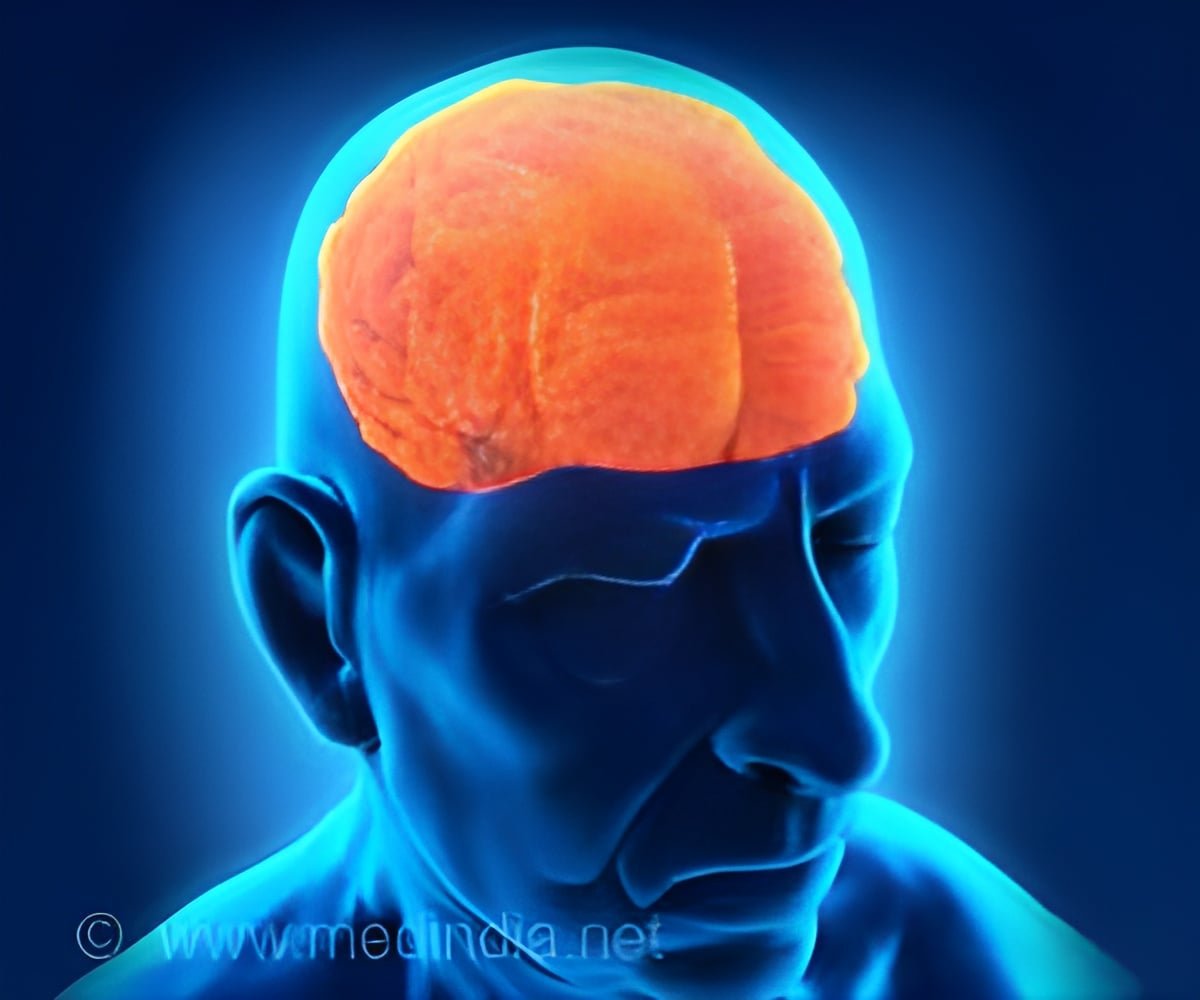
Brief sessions of controlled CO2 inhalation may help the brain clear Alzheimer’s-related proteins by enhancing its natural waste-removal system.
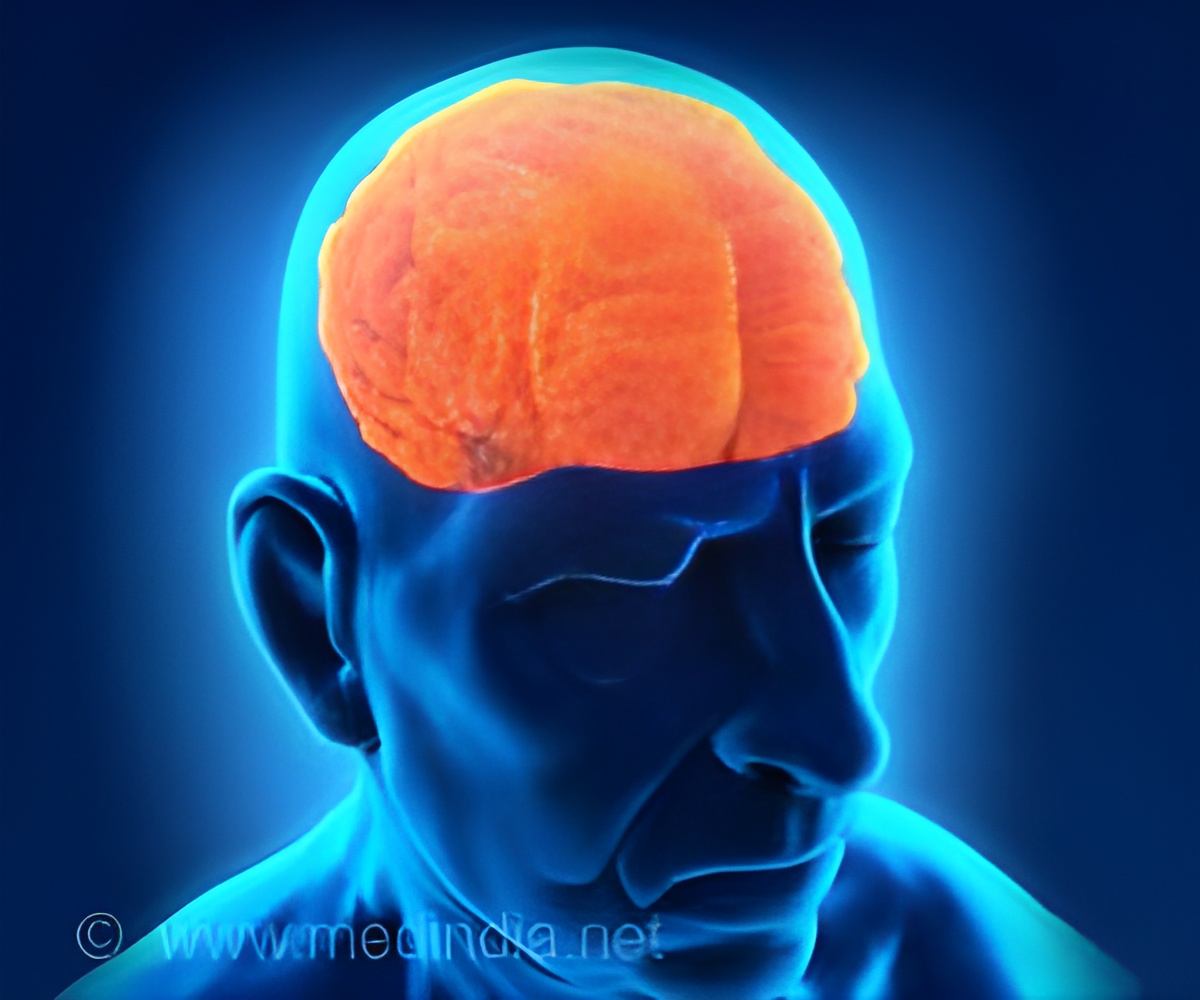
Scientists may have uncovered a new way to help the brain remove the toxic proteins linked to Alzheimer’s disease. A preliminary study led by Dr. Sephira Ryman at the University of New Mexico School of Medicine and the Mind Research Network found that brief sessions of controlled carbon dioxide (CO2) inhalation enhanced the brain’s glymphatic system, its natural waste-clearing network. The findings suggest this simple, non-invasive approach may improve the removal of tau and amyloid beta, two proteins strongly associated with Alzheimer’s disease (1✔ ✔Trusted Source
The influence of intermittent hypercapnia on cerebrospinal fluid flow and clearance in Parkinson’s disease and healthy older adults
).
The researchers presented the findings at the Alzheimer’s Association International Conference (AAIC) 2026 after observing that alternating bursts of CO2-enriched air delivered through a face mask for about 30 minutes improved the clearance of tau protein from the brain while increasing amyloid beta levels in the bloodstream, suggesting these proteins had been transported out of the brain. The approach aims to stimulate the brain’s natural waste-removal process while participants remain awake.
Advertisement
How Does CO2 Breathing Help Remove Alzheimer’s Proteins?
The glymphatic system functions as the brain’s waste-removal pathway. It is most active during deep sleep and often impaired in neurodegenerative conditions. Researchers used masks delivering alternating bursts of CO2-rich air to participants. They observed improved clearance of tau protein from the brain and elevated levels of amyloid beta in the bloodstream, indicating the proteins were being evacuated.
Advertisement
What Did the Alzheimer’s CO2 Breathing Study Find?
The approach builds on earlier research by Ryman’s team. In 2025, they published findings in NPJ Parkinson’s Disease showing that intermittent hypercapnia — controlled low-level CO2 exposure in on-off cycles — increased cerebrospinal fluid inflow and boosted clearance of proteins including alpha-synuclein, amyloid beta, and phosphorylated tau in both healthy individuals and those with Parkinson’s disease.
For the Alzheimer’s-focused presentation, the team applied similar techniques. Participants used masks for brief sessions totaling around 30 minutes. The CO2 pulses cause blood vessels in the brain to dilate and constrict, acting like a pump to drive fluid movement through brain tissue.
“This dilation and constriction essentially serves as a pump that clears waste from the brain,” Ryman stated in coverage of the presentation.
The study is described as small and preliminary. Larger clinical trials are needed to assess long-term safety, efficacy, and benefits for cognitive decline.
Advertisement
Why Is the Brain’s Glymphatic System Important in Alzheimer’s Disease?
The glymphatic system was discovered in the early 2010s by researchers at the University of Rochester. It uses perivascular channels to clear metabolic waste, including proteins that accumulate in Alzheimer’s disease and other dementias. Sleep disruption and aging reduce its efficiency, contributing to disease progression.
Previous efforts to enhance glymphatic function have focused on sleep improvement and exercise. Ryman’s team explored non-invasive methods to replicate sleep-like clearance while awake using controlled breathing or CO2 exposure.
Could Controlled CO2 Breathing Become a Future Alzheimer’s Therapy?
An estimated 7.4 million Americans aged 65 years and older are living with Alzheimer’s dementia in 2026. The number is projected to increase to 13.8 million by 2060 as the population ages.
If confirmed in larger clinical trials, controlled CO2 inhalation could become a simple, non-invasive approach to complement ongoing research into Alzheimer’s disease. Researchers caution that the technique remains investigational, and its long-term safety and effectiveness still need to be established. Nevertheless, these findings provide valuable insight into how enhancing the brain’s natural waste-clearing system may open new avenues for future Alzheimer’s research and deepen our understanding of this complex disease.
Reference:
- The influence of intermittent hypercapnia on cerebrospinal fluid flow and clearance in Parkinson’s disease and healthy older adults – (https://pmc.ncbi.nlm.nih.gov/articles/PMC12638941/)
Source-Medindia