

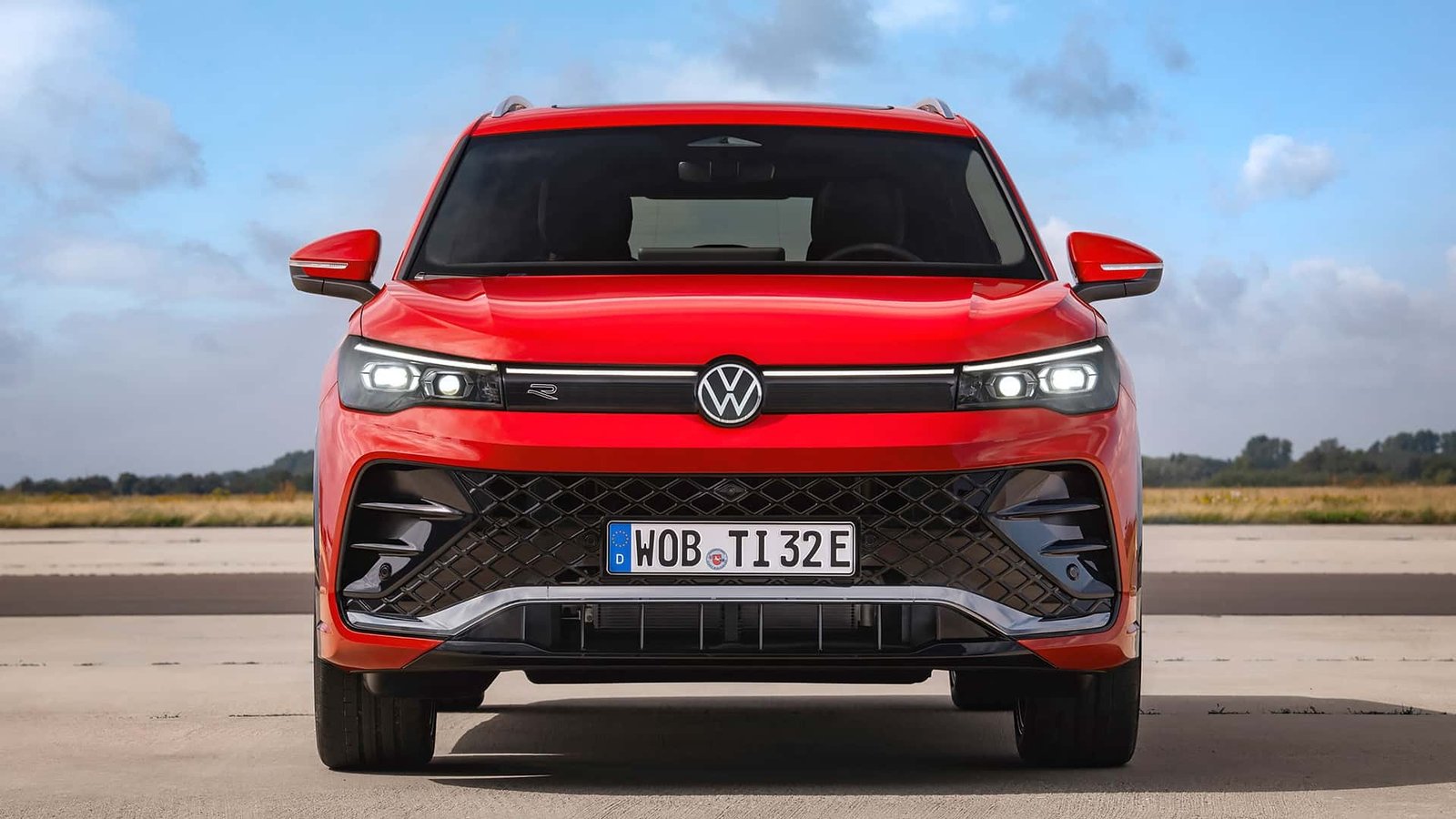
- Volkswagen Group’s CEO wants the EU to impose higher tariffs on Chinese plug-in hybrids.
- The demand comes after the Volkswagen Tiguan PHEV went from best-seller to outsider in the European sales charts.
- “We have no time to lose,” said CEO Oliver Blume during the company’s first-half earnings call.
Volkswagen is demanding that the European Union impose higher import tariffs for Chinese plug-in hybrids, and it wants it done sooner rather than later.
The German car group isn’t going through a particularly rosy period, with CEO Oliver Blume proposing gargantuan job cuts that could affect 100,000 employees, up from the 50,000 layoffs that have already been approved. With this in mind, the company is using its industrial and economic might to persuade officials to make it harder for Chinese companies to make a buck in the EU.

The BYD Seal U plug-in hybrid dethroned the Volkswagen Tiguan in the European sales charts.
Photo by: BYD
The move comes after the Volkswagen Tiguan plug-in hybrid has gone from top-seller to has-been, after no fewer than three Chinese newcomers have pushed the German crossover outside of the podium.
After the first half of the year, the three best-selling PHEVs in Europe were Chinese. The BYD Seal U is now the leader, followed by the BYD Atto 2 and the Jaecoo 7. Meanwhile, the Volkswagen Tiguan, which was at the top of the list last year, is now in fourth position, according to Dataforce figures quoted by Automotive News.
And it’s not just the traditional models that have had to adjust to the new reality of lower-priced Chinese competitors. After the first six months of 2026, Chinese brands had gripped 28.3% of the European PHEV market, pushing local brands further down the sales list.
Blume’s demands come after the EU imposed higher levies on Chinese electric cars, with the bloc arguing that some companies have benefited from heavy incentives at home, which enabled them to sell cars in Europe at much lower prices than local automakers, giving them an unfair advantage. As it stands right now, Chinese-built EVs can be subject to tariffs as high as 35% on top of the standard 10% import duty, and plug-in hybrids are poised to be next.
As stricter emissions rules are scheduled to go into effect, European automakers are leaning on plug-in hybrids to help them make the cut, but Volkswagen Group’s CEO is arguing that the playing field is anything but level right now. “The regulations on BEVs are working. There, we are competitive in terms of pricing. Where it’s not working is with the plug-in hybrids,” Blume said.
46
At the end of the day, Volkswagen—and other local players like it—could get its way. According to German newspaper Handelsblatt, the EU is considering additional tariffs on Chinese PHEVs, though it’s unclear when and how significant they would be.
Overall, it’s clear that China’s brands are in it for the win. Chinese car brands doubled their sales in Europe in a single year, reaching nearly 686,000 deliveries and taking hold of 9.5% of the region’s entire car market.