

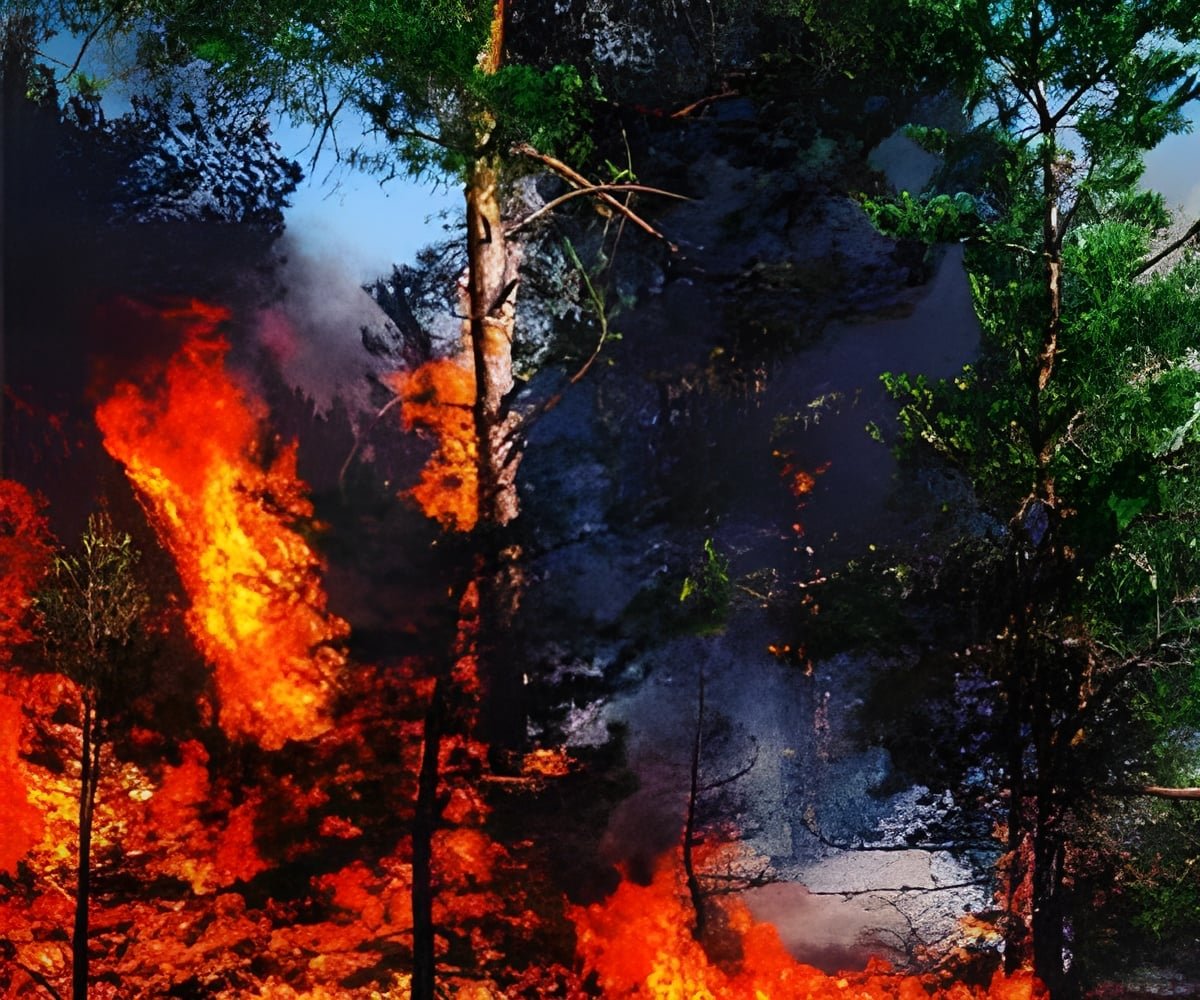
How do wildfires affect your health? Smoke, heat, and evacuations can impact both body and mind.
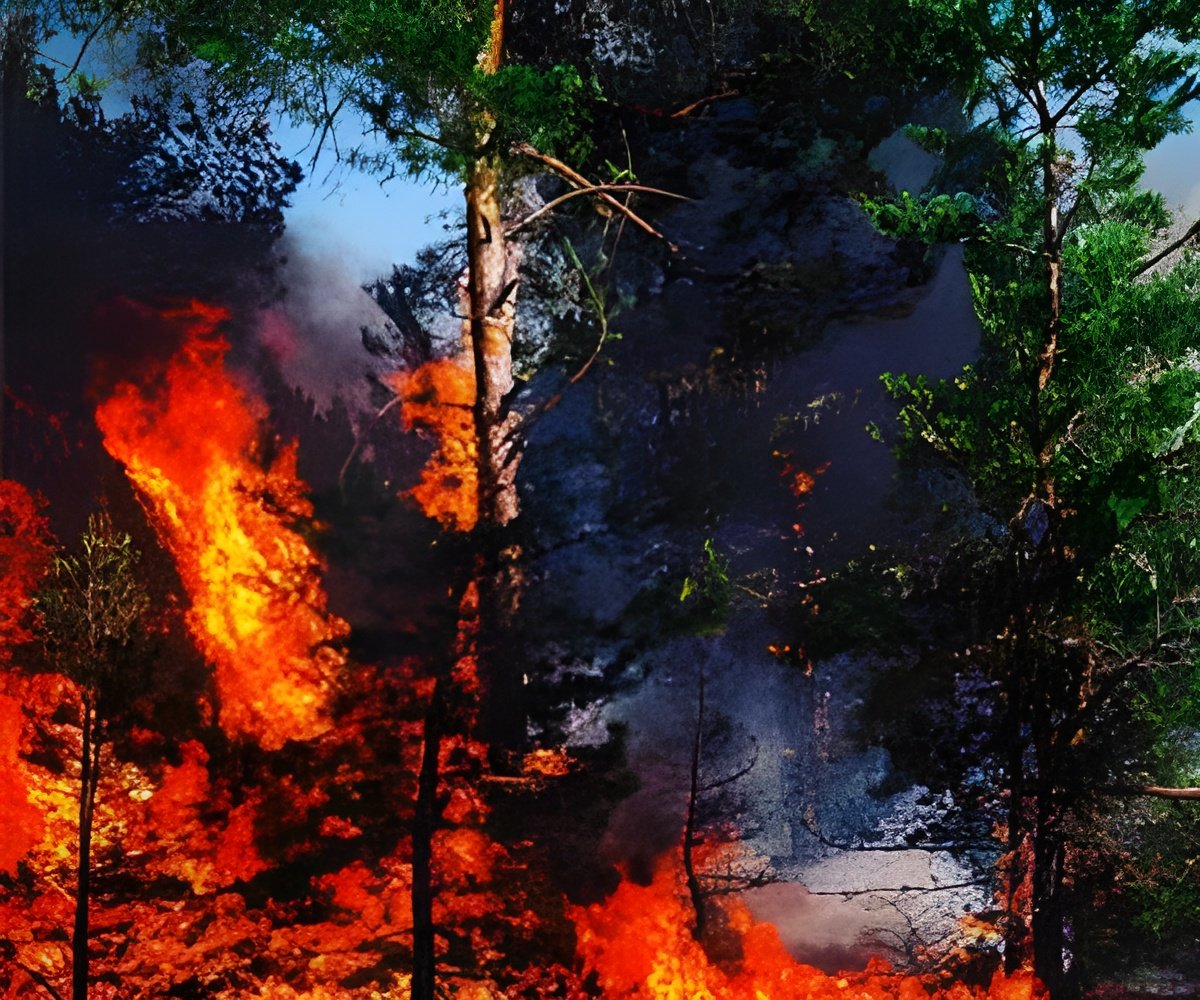
Massive wildfires sweeping across France and Spain are no longer just an environmental emergency—they’re becoming a growing public health crisis. As hundreds of thousands of people flee their homes, health officials are warning that dangerous wildfire smoke, extreme heat, and poor air quality could put millions at risk, particularly older adults, children, pregnant women, and people with heart or lung conditions.
The fires have intensified after weeks of scorching temperatures, drought, and strong winds that allowed flames to spread rapidly through forests and residential areas. Authorities in France have evacuated nearly 200,000 people around the Bordeaux region, while Spain has declared its first-ever national wildfire emergency, with tens of thousands more evacuated or ordered to stay indoors.
Advertisement
Smoke Is Becoming the Biggest Health Threat
While flames pose an immediate danger, experts say wildfire smoke often affects far more people than the fire itself.
The thick smoke contains tiny particles known as PM2.5, which can travel deep into the lungs and even enter the bloodstream. Exposure can irritate the eyes and throat, trigger asthma attacks, worsen chronic obstructive pulmonary disease (COPD), and increase the risk of heart attacks and strokes in vulnerable individuals.
In Spain, authorities urged residents in smoke-affected areas around Madrid to avoid outdoor activities because of deteriorating air quality. France has also distributed 1.5 million protective face masks to help reduce smoke exposure in affected communities.
Advertisement
Heat and Smoke Create a Dangerous Combination
The ongoing heatwave has made the situation even more dangerous. High temperatures increase the risk of dehydration, heat exhaustion, and heatstroke, while smoke makes it harder for the body to cope with heat stress. Together, these conditions can place enormous strain on the heart and lungs, especially among older adults and people with existing medical conditions.
Health experts say prolonged exposure to both heat and smoke can also worsen symptoms in people with diabetes, kidney disease, and respiratory illnesses.
Advertisement
Mental Health Takes a Toll
Beyond the physical risks, wildfires can have lasting psychological effects. Families forced to evacuate often experience anxiety, () uncertainty, sleep disruption, and emotional stress after losing homes, belongings, or access to their communities. Emergency responders and healthcare workers also face increased risks of burnout and trauma during prolonged wildfire emergencies.
Why Wildfire Smoke Can Be So Harmful
Wildfire smoke is a complex mixture of fine particulate matter, gases, and toxic chemicals released when vegetation, buildings, and other materials burn.
These microscopic particles are small enough to bypass the body’s natural defenses and enter the bloodstream, where they can trigger inflammation throughout the body. Even healthy people may experience coughing, headaches, sore throats, and shortness of breath after spending time outdoors in heavy smoke.
Health agencies generally advise people in affected areas to:
- Stay indoors with windows and doors closed.
- Limit strenuous outdoor activity.
- Use well-fitted masks if they must go outside.
- Keep rescue inhalers and prescribed medications readily available.
- Seek medical attention if breathing becomes difficult or symptoms worsen.
Climate Change Is Fueling More Extreme Fire Seasons
Officials say the fires have been intensified by prolonged drought, repeated heatwaves, and strong winds, conditions that scientists increasingly link to climate change.
More than 130,000 hectares have already burned in Spain this year, while France has recorded one of its worst wildfire seasons in recent history. Firefighters from several European countries have joined the response as authorities continue battling multiple large blazes across both nations.
Research Links Wildfire Smoke to Serious Health Risks
Scientific research continues to show that wildfire smoke is more than a temporary nuisance. Fine particulate matter (PM2.5) generated by wildfires has been associated with increased hospital admissions for asthma, chronic obstructive pulmonary disease (COPD), cardiovascular disease, and other respiratory illnesses.
Studies have also found that periods of heavy wildfire smoke can lead to higher rates of premature death, particularly among older adults and people with underlying health conditions.
References:
- Depression, Anxiety, and PTSD Among Southern California Residents After the January 2025 Los Angeles Wildfires – (https://pubmed.ncbi.nlm.nih.gov/41292207/)
Source-Medindia