

Melissa Baines experienced nausea, brain fog and severe allergic reactions after a suspected tick bite while gardening, leading to an alpha-gal syndrome diagnosis.

Could a single tick bite leave someone with a potentially life-threatening allergy to meat and dairy products?
Nova Scotia resident Melissa Baines believes a suspected lone star tick bite led her to develop alpha-gal syndrome, an allergy to a sugar molecule found in most mammals.
She was reportedly bitten while gardening in May and initially thought it was a horsefly bite. In the following weeks, she developed severe brain fog, nausea and balance problems. After consuming dairy, she experienced welts and worsening symptoms that eventually required hospital treatment.
Baines has since stopped eating mammalian meat and dairy products and now relies on plant-based alternatives while adjusting to the life-changing diagnosis.()
Advertisement
A Garden Bite That Transformed Her Diet
Following her diagnosis, Baines stopped eating mammalian meat and began using plant-based alternatives. She is also avoiding dairy because it appeared to trigger her symptoms.
She has remained cautious about returning to her garden and is considering ways to reduce tick exposure without using pesticides that might harm her pets or other wildlife.
Advertisement
How Alpha-Gal Syndrome Turns Food Into an Allergy Trigger
Alpha-gal syndrome is an allergy to galactose-alpha-1,3-galactose, a sugar molecule found in most mammals but not in humans. Bites from certain ticks may expose the immune system to alpha-gal, causing it to produce antibodies that later react to products containing the molecule.
Possible triggers include:
- Beef, pork, lamb and other mammalian meat
- Dairy products in some affected people
- Gelatin and other mammal-derived ingredients
- Certain medicines and medical products
Unlike many food allergies, reactions often appear two to six hours after exposure, which can make the cause difficult to identify. Symptoms may include hives, swelling, nausea, stomach pain, diarrhoea, breathing problems, dizziness or anaphylaxis.
Diagnosis generally involves reviewing the person’s symptoms and exposure history, along with a blood test for antibodies against alpha-gal. People with the condition should work with an allergy specialist to identify their individual triggers and prepare for severe reactions.
Advertisement
Lone Star Tick Sightings Raise New Allergy Concerns in Canada
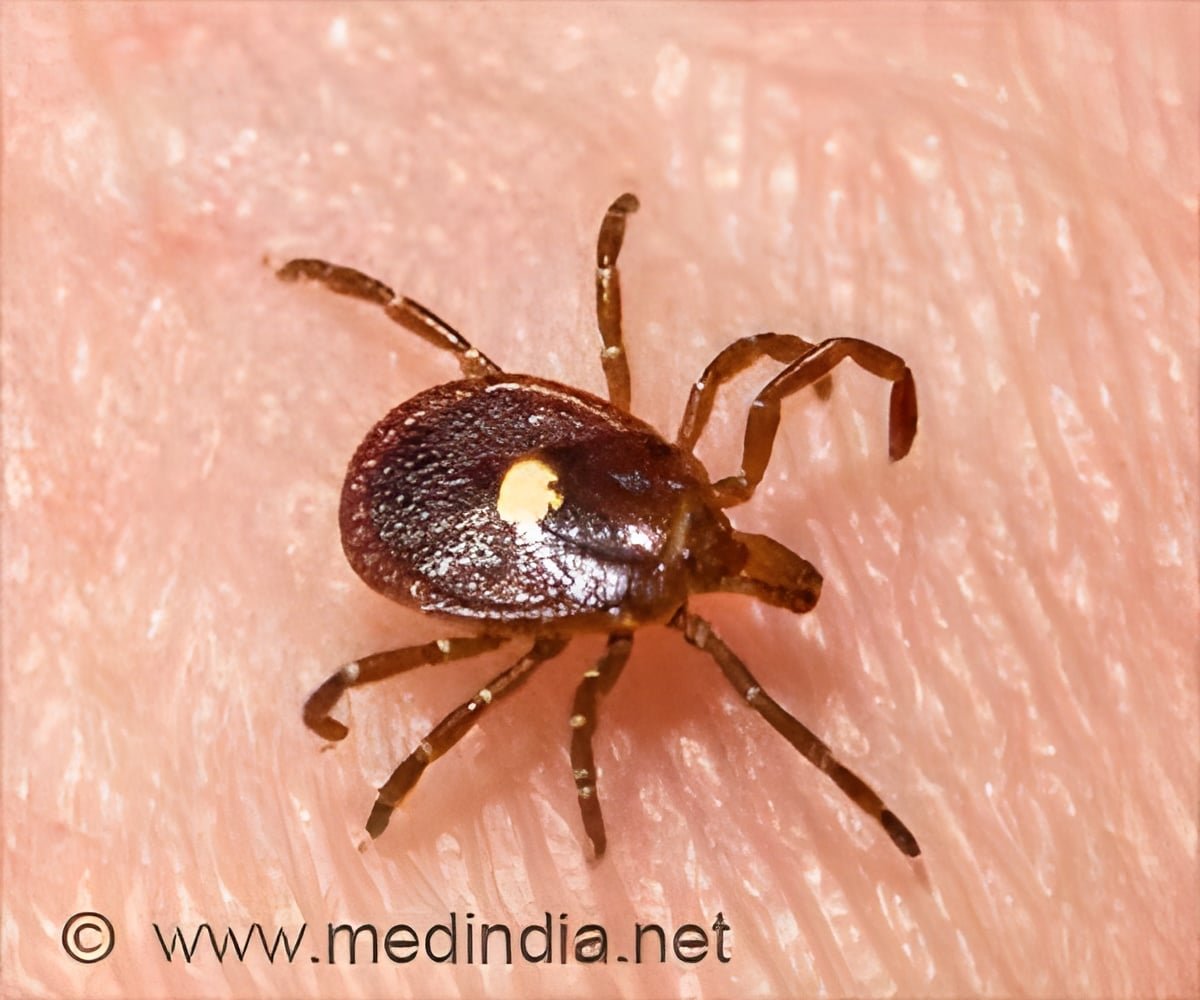
Adult female lone star ticks can be recognised by a prominent white dot on the centre of their backs. Canadian public-health authorities report that the ticks have been detected in southern areas of several provinces, including Nova Scotia, although many findings have been isolated rather than evidence of established local populations.
Some people bitten by lone star ticks can develop alpha-gal syndrome. However, not every bite causes the condition, and other tick species may also be associated with alpha-gal sensitisation.()
Preventing Another Tick Bite Is Essential
People spending time outdoors should wear long clothing, use an approved tick repellent and check their body, clothing, pets and outdoor equipment after returning indoors.
An attached tick should be removed promptly using clean, fine-tipped tweezers. Anyone who later develops unexplained hives, digestive symptoms, swelling or breathing problems after consuming mammalian products should seek medical advice.
Breathing difficulty, throat or facial swelling, fainting or other signs of anaphylaxis require immediate emergency treatment.
Reference:
- Woman develops life-altering allergy after suspected lone star tick bite in N.S.- (https://www.theweathernetwork.com/en/news/lifestyle/health/woman-develops-life-altering-allergy-after-lone-star-tick-bite-in-nova-scotia-canada)
Source-Medindia