

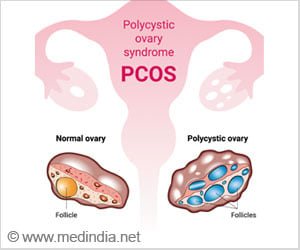
A nationwide study found that women with PMOS face a 4-fold increase in heart disease risk. The findings highlight the need for earlier cardiovascular screening and prevention.
- PMOS is linked to a 4-fold increase in heart disease risk, according to a large Lancet study
- The increased risk remained significant even after accounting for obesity, diabetes, hypertension, and high cholesterol
- Experts say this highlights the need for earlier heart health screening in women with PMOS
Women living with polyendocrine metabolic ovarian syndrome (PMOS), formerly known as polycystic ovary syndrome (PCOS), have a four-fold higher risk of developing atherosclerotic cardiovascular disease (ASCVD) than women without the condition, according to a large nationwide U.S. study published in The Lancet Obstetrics, Gynaecology & Women’s Health (1✔ ✔Trusted Source
Atherosclerotic cardiovascular disease risk in polyendocrine metabolic ovarian syndrome: a nationwide, US, claims-based, retrospective, longitudinal, cohort study
).
The researchers analyzed health insurance data collected over 22 years from more than 413,000 women aged 18 to 50 years, making it one of the largest studies to examine the long-term cardiovascular impact of PMOS.
Importantly, the increased risk remained even after researchers adjusted for obesity, diabetes, high blood pressure, and abnormal cholesterol levels.
According to the study authors, this suggests that PMOS itself may independently contribute to heart disease and should be considered an important cardiovascular risk factor alongside traditional metabolic conditions.
Advertisement
Link Between PMOS and Heart Disease?
According to the study, researchers conducted a large nationwide retrospective cohort study using U.S. insurance claims data to examine whether women with PMOS have a higher risk of developing atherosclerotic cardiovascular disease.
The study compared women with PMOS to matched women without the condition and evaluated long-term cardiovascular outcomes over a 22-year period.
The researchers said the findings highlight the need for greater awareness of cardiovascular health in women with PMOS and support earlier risk assessment and preventive care in clinical practice.
The major findings of the nationwide study are summarized below.
Advertisement
Key Findings From the Nationwide Lancet PMOS Study
| Study Parameter | Findings |
|---|---|
| Study design | Nationwide U.S. retrospective longitudinal cohort study using insurance claims data |
| Study duration | 2000–2022 (22 years) |
| Women with PMOS | 413,450 |
| Control group | 2,067,250 matched women without PMOS |
| Age group | 18–50 years |
| Cardiovascular diseases evaluated | Coronary artery disease, cerebrovascular disease and peripheral artery disease (collectively ASCVD) |
| Main result | Women with PMOS had a four-fold higher risk of developing atherosclerotic cardiovascular disease. |
| After adjusting for obesity, diabetes, hypertension and high cholesterol | The association remained significant, suggesting PMOS is an independent cardiovascular risk factor. |
| Clinical implication | Earlier cardiovascular risk assessment and preventive strategies should be considered for women with PMOS. |
Advertisement
How Does PMOS Increase Heart Disease Risk?
While
This points towards additional biological mechanisms that may affect cardiovascular health.
According to an earlier study published in the American Heart Association journal Circulation, PMOS may promote chronic inflammation inside the heart (2✔ ✔Trusted Source
Polycystic Ovary Syndrome Fuels Cardiovascular Inflammation and Aggravates Ischemic Cardiac Injury
Researchers found that the condition increased the accumulation of inflammatory immune cells called macrophages, which can worsen heart injury after a heart attack and accelerate the development of unstable atherosclerotic plaques.
The study also suggested that these inflammatory changes may occur independently of common metabolic risk factors, providing a possible explanation for why cardiovascular risk remains elevated even in women who are not obese or diabetic.
The researchers further observed higher inflammatory monocyte counts and elevated norepinephrine levels in women with PMOS, supporting the idea that persistent immune activation may play an important role in long-term cardiovascular damage.
Together, these findings strengthen the biological explanation behind the increased cardiovascular risk reported in the latest Lancet study.
What Do International Experts Recommend for Women with PMOS?
As evidence linking PMOS with cardiovascular disease continues to grow, the International Evidence-based Guideline for the Assessment and Management of PCOS recommends evaluating cardiovascular risk throughout a woman’s life rather than waiting for symptoms to appear (3✔ ✔Trusted Source
Recommendations from the 2023 International Evidence-based Guideline for the Assessment and Management of Polyendocrine Metabolic Ovarian Syndrome
).
The guideline advises healthcare professionals to identify risk factors early, educate women about their long-term health risks, and encourage healthy lifestyle measures that support both metabolic and cardiovascular health.
International experts recommend regular cardiovascular assessment because PMOS affects several aspects of long-term health. The recommendations below summarize the key areas that should be monitored.
Recommended Heart Health Assessment for Women with PMOS
| Assessment Area | Why It Is Important | Guideline Recommendation |
|---|---|---|
| Blood pressure | PMOS is associated with a higher risk of hypertension. | Measure at diagnosis and during follow-up visits. |
| Blood sugar | Insulin resistance and type 2 diabetes are common in PMOS. | Assess glycemic status regularly based on individual risk. |
| Blood lipid profile | Abnormal cholesterol levels increase cardiovascular risk. | Check lipid levels, especially in women with additional risk factors. |
| Body weight and waist circumference | Excess body fat can worsen metabolic and cardiovascular health. | Monitor regularly and encourage healthy weight management. |
| Lifestyle assessment | Physical inactivity, unhealthy diet, and smoking further increase heart disease risk. | Promote regular exercise, balanced nutrition, weight control, and smoking cessation. |
| Cardiovascular risk awareness | Many women are unaware of their increased long-term heart disease risk. | Educate patients and individualize long-term preventive care. |
Why Do the Findings Matter for Indian Women with PMOS?
The latest study findings are particularly relevant for India, where PMOS is becoming increasingly common among women of reproductive age.
According to an Indian review, the prevalence of PMOS in India ranges from 3.7% to 22.5%, with higher rates reported in urban populations due to changing lifestyles and increasing metabolic risk factors (4✔ ✔Trusted Source
Risk of Cardiovascular Diseases Associated with PCOS in India: A Review
The review also highlights that many Indian women with PMOS develop insulin resistance, obesity, hypertension, dyslipidemia, and metabolic syndrome at a young age.
These conditions are well-established risk factors for cardiovascular disease and may further amplify the heart disease risk associated with PMOS. As a result, experts recommend looking beyond reproductive symptoms and incorporating routine cardiovascular risk assessment into PMOS management.
Frequently Asked Questions
Q: What is PMOS?
A: PMOS (polyendocrine metabolic ovarian syndrome) is the updated name for PCOS. It is a hormonal and metabolic condition that can affect menstrual cycles, fertility, metabolism, and long-term health.
Q: Does PMOS increase the risk of heart disease?
A: Yes. A large Lancet study found that women with PMOS have a four-fold higher risk of developing atherosclerotic cardiovascular disease than women without the condition.
Q: Can women with PMOS develop heart disease even if they are not obese?
A: Yes. The increased cardiovascular risk remained significant even after researchers accounted for obesity, diabetes, hypertension, and high cholesterol.
Q: Which heart conditions are linked to PMOS?
A: PMOS has been associated with coronary artery disease, cerebrovascular disease, and peripheral artery disease.
Q: How can women with PMOS reduce their heart disease risk?
A: Maintaining a healthy weight, exercising regularly, eating a balanced diet, avoiding smoking, and monitoring blood pressure, blood sugar, and cholesterol can help reduce long-term cardiovascular risk.
Q: Should women with PMOS have regular heart health check-ups?
A: Yes. International guidelines recommend assessing cardiovascular risk factors early and monitoring them throughout adulthood.
Q: Why is early diagnosis of PMOS important?
A: Early diagnosis allows timely lifestyle changes and medical management that may help reduce long-term complications affecting the heart, metabolism, and reproductive health.
References:
- Atherosclerotic cardiovascular disease risk in polyendocrine metabolic ovarian syndrome: a nationwide, US, claims-based, retrospective, longitudinal, cohort study – (https://www.thelancet.com/journals/lanogw/article/PIIS3050-5038(26)00090-7/abstract)
- Polycystic Ovary Syndrome Fuels Cardiovascular Inflammation and Aggravates Ischemic Cardiac Injury – (https://www.ahajournals.org/doi/full/10.1161/CIRCULATIONAHA.123.065827)
- Evidence-based Guideline for the Assessment and Management of Polyendocrine Metabolic Ovarian Syndrome – (https://www.asrm.org/practice-guidance/practice-committee-documents/recommendations-from-the-2023-international-evidence-based-guideline-for-the-assessment-and-management-of-polyendocrine-metabolic-ovarian-syndrome-2023/)
- Risk of Cardiovascular Diseases Associated with PCOS in India: A Review – (https://pmc.ncbi.nlm.nih.gov/articles/PMC12676021/)
Source-Medindia