

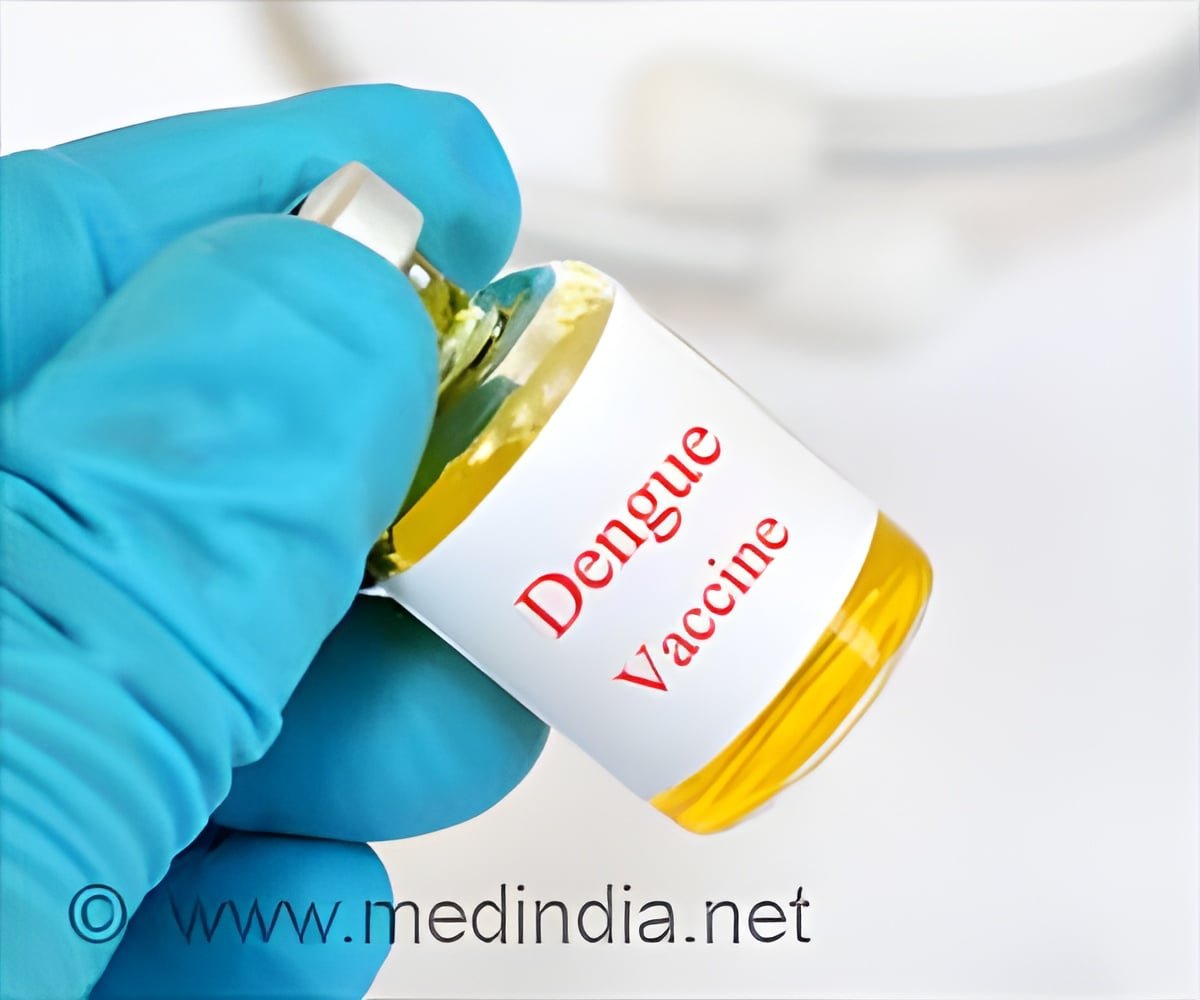
India has approved QDENGA, its first dengue vaccine, giving the country a new tool to help prevent infections caused by all four dengue virus serotypes.
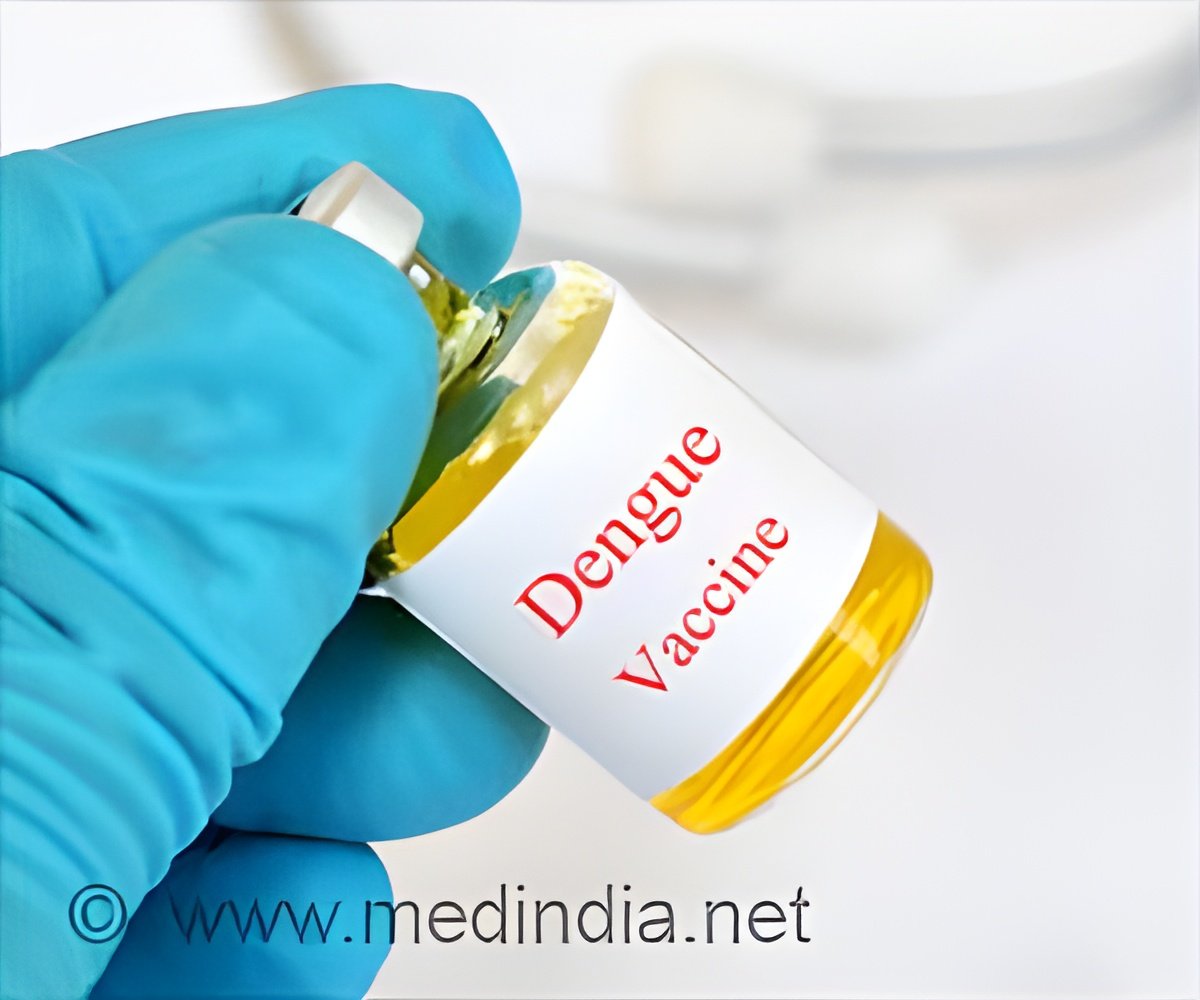
- India approves QDENGA, its first dengue vaccine, for people aged 4–60 years
- The vaccine protects against all four dengue virus serotypes without pre-vaccination screening
- Global clinical trials and WHO guidance support QDENGA’s safety and effectiveness
India has approved its first dengue vaccine, opening a new chapter in the country’s fight against one of its fastest-growing mosquito-borne diseases.
The approval comes as dengue continues to spread across more regions, driven by urbanization, climate change, and the circulation of all four dengue virus serotypes (1✔ ✔Trusted Source
CDSCO Approves India’s First Dengue Vaccine, Strengthening National Dengue Prevention Efforts
).
The Central Drugs Standard Control Organisation (CDSCO) has granted marketing authorisation for QDENGA (TAK-003), a live-attenuated tetravalent dengue vaccine developed by Takeda.
Approved for individuals aged 4–60 years, the vaccine can be given regardless of previous dengue infection, eliminating the need for pre-vaccination screening.
Health experts believe the approval will strengthen India’s dengue prevention strategy alongside vector control, surveillance, early diagnosis, and timely treatment.
Advertisement
How Does India’s First Approved Dengue Vaccine Strengthen Dengue Prevention?
QDENGA is the first dengue vaccine approved in India after undergoing a comprehensive scientific review of its quality, safety, and effectiveness.
The vaccine is designed to protect against all four dengue virus serotypes (DENV-1, DENV-2, DENV-3 and DENV-4), which commonly circulate in India.
Unlike the earlier dengue vaccine that required confirmation of previous infection before use, QDENGA can be administered without pre-vaccination testing, making vaccination programs easier to implement.
The recommended schedule consists of two doses, given three months apart, as a subcutaneous injection.
Clinical evaluation included participants from more than eight countries as well as a dedicated Phase III study in the Indian population.
Health officials say the vaccine is expected to complement—not replace—existing dengue control measures, including mosquito breeding source reduction, surveillance, early diagnosis, and case management.
Advertisement
How Effective Is QDENGA Against All Four Dengue Virus Serotypes?
According to findings published in The Lancet Global Health, QDENGA has demonstrated sustained protection in one of the largest dengue vaccine programs conducted so far (2✔ ✔Trusted Source
Long-term efficacy and safety of a tetravalent dengue vaccine (TAK-003): 4·5-year results from a phase 3, randomised, double-blind, placebo-controlled trial
).
The pivotal Phase III TIDES (DEN-301) trial enrolled more than 20,000 children and adolescents across eight dengue-endemic countries and followed participants for approximately 4.5 years.
Researchers found that the vaccine continued to reduce both dengue infections and severe disease over the long term.
Key findings from the clinical program include the following:
- 80.2% efficacy against virologically confirmed dengue one year after the second dose.
- 90.4% protection against dengue-related hospitalization at 18 months.
- 84.1% protection against hospitalized dengue after 4.5 years.
- Long-term protection with a favorable safety profile during follow-up.
Researchers also reported that the vaccine showed protection against all four dengue virus serotypes in people who had previously been exposed to dengue, while maintaining a favorable overall safety profile throughout the study.
Advertisement
How Is QDENGA Different from Earlier Dengue Vaccination Approaches?
As dengue vaccines have evolved over the years, many readers wonder what makes QDENGA different. According to the WHO position paper, Expert Review of Vaccines and CDSCO, the vaccine introduces several practical advantages that support broader dengue prevention (3✔ ✔Trusted Source
WHO position paper on Dengue vaccines-May 2024
).
| What Makes QDENGA Different? | Why It Matters for Patients and Public Health |
|---|---|
| Protects against all four dengue virus serotypes | India has all four serotypes circulating, so broader protection is important. |
| Can be given regardless of previous dengue infection | People do not need to know whether they have had dengue before vaccination. |
| No pre-vaccination screening required | Makes vaccination easier in routine healthcare settings and reduces delays. |
| Two-dose schedule (0 and 3 months) | A simple schedule that can be completed within three months. |
| Approved for people aged 4–60 years in India | Covers both children and adults who are at risk of dengue. |
| WHO-prequalified vaccine | Meets international quality, safety, and efficacy standards for wider public health use. |
| Backed by large international clinical trials | Safety and effectiveness were evaluated in more than 20,000 participants across multiple countries before approval. |
| Supports—not replaces—mosquito control | Vaccination works best when combined with vector control, surveillance, and early diagnosis. |
How Was QDENGA Developed to Protect Against All Four Dengue Virus Serotypes?
Developing a dengue vaccine has been particularly challenging because infection with one dengue virus serotype does not provide lasting protection against the other three.
In some cases, a second infection with a different serotype can even increase the risk of severe dengue, making balanced protection essential.
QDENGA was developed using a live-attenuated DENV-2 backbone with recombinant components from DENV-1, DENV-3, and DENV-4. This design aims to trigger immune responses against all four virus serotypes while maintaining an acceptable safety profile (4✔ ✔Trusted Source
TAK-003: development of a tetravalent dengue vaccine
Its development was supported by an extensive global clinical program, including Phase I, II and III trials conducted in dengue-endemic and non-endemic countries.
Additional studies have also shown that the vaccine remains immunogenic and well tolerated when administered alongside certain routine vaccines, further supporting its potential use in vaccination programs.
Why Does India Need a Dengue Vaccine as Cases Continue to Rise?
India carries one of the world’s highest dengue burdens, with research suggesting the country accounts for nearly one-third of global dengue infections (5✔ ✔Trusted Source
Dengue dynamics, predictions, and future increase under changing monsoon climate in India
).
Changing weather patterns, rapid urbanization, and expanding mosquito habitats have made outbreaks more frequent and prolonged.
The WHO also notes that dengue has become one of the fastest-growing mosquito-borne diseases globally.
Around 3.8 billion people live in areas at risk, with 100–400 million infections estimated every year. Urban growth, population movement, and climate change continue to expand the spread of Aedes mosquitoes.
Experts therefore believe vaccination can become an important additional layer of protection alongside mosquito control, environmental management, and timely medical care.
What Does WHO Recommend About QDENGA and Who Can Receive It?
The WHO recommends considering QDENGA for public immunization programs in areas with high dengue transmission.
Unlike earlier vaccines that required laboratory confirmation of previous dengue infection before vaccination, QDENGA does not require pre-vaccination screening, making implementation easier in endemic settings.
In India, the vaccine has been approved for individuals aged 4–60 years and is administered as two subcutaneous doses three months apart.
Health authorities emphasize that vaccination should complement existing dengue prevention strategies, including mosquito breeding control, surveillance, early diagnosis, and prompt treatment.
Frequently Asked Questions
Q: Who can receive QDENGA, India’s first dengue vaccine?
A: QDENGA has been approved in India for individuals aged 4-60 years.
Q: Does a person need to have had dengue before taking the vaccine?
A: No. The vaccine can be given regardless of previous dengue infection.
Q: How many doses of QDENGA, the dengue vaccine are needed?
A: Two doses are required, given three months apart.
Q: Does the QDENGA dengue vaccine protect against all dengue virus types?
A: Yes. It is designed to protect against all four dengue virus serotypes.
Q: Can the newly approved dengue vaccine replace mosquito control measures?
A: No. Experts recommend vaccination along with mosquito control, surveillance and early treatment.
Q: Is the dengue vaccine supported by international evidence?
A: Yes. Its approval is backed by multiple international clinical trials and WHO guidance.
Why is the approval of the dengue vaccine important for India?
With one of the world’s highest dengue burdens, India can benefit from the dengue vaccine as an additional tool to help prevent the disease.
References:
- CDSCO Approves India’s First Dengue Vaccine, Strengthening National Dengue Prevention Efforts – (https://www.pib.gov.in/PressReleasePage.aspx?PRID=2286883®=48&lang=2)
- Long-term efficacy and safety of a tetravalent dengue vaccine (TAK-003): 4·5-year results from a phase 3, randomised, double-blind, placebo-controlled trial – (https://www.thelancet.com/journals/langlo/article/PIIS2214-109X(23)00522-3/fulltext)
- WHO position paper on Dengue vaccines-May 2024 – (https://iris.who.int/server/api/core/bitstreams/451d6f6a-c534-4969-b67e-b8d92b8d03c4/content)
- TAK-003: development of a tetravalent dengue vaccine – (https://www.tandfonline.com/doi/full/10.1080/14760584.2025.2490295#abstract)
- Dengue dynamics, predictions, and future increase under changing monsoon climate in India – (https://www.nature.com/articles/s41598-025-85437-w)
Source-Medindia