

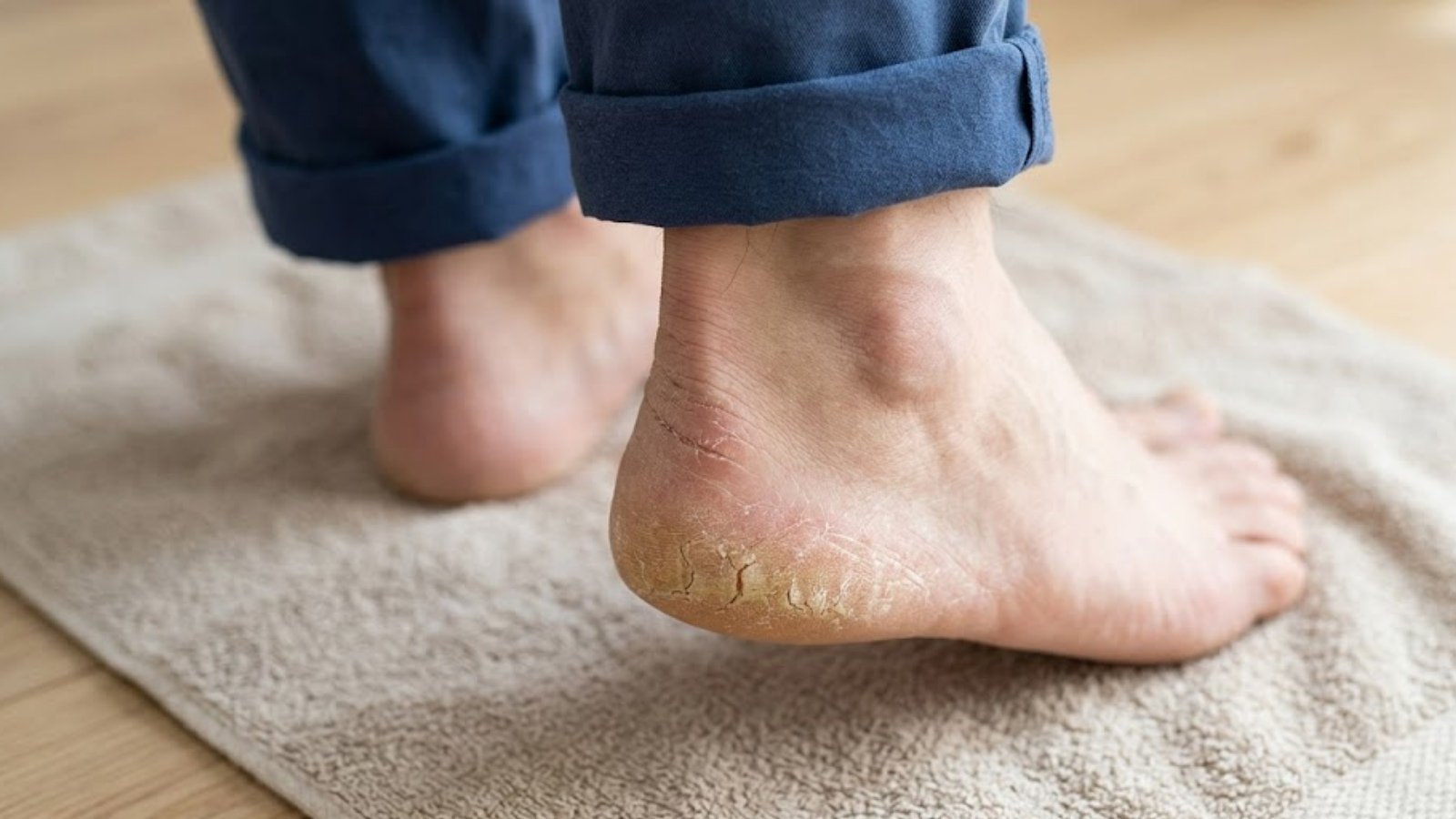
Chiropractor Dr Jaban Moore recently suggested that your feet may reveal hidden nutritional deficiencies. In a social media post, he claimed, “Cracked, dry heels that will not soften mean low zinc and the healthy fats your skin needs to repair itself.”
“Your feet are usually the first place a deficiency shows up, because they sit at the very end of your circulation, last in line for oxygen and nutrients. That is why they often signal a problem while your bloodwork still reads normal. Here is what each sign is telling you,” he added.
The reasoning has prompted many people to wonder whether stubborn cracked heels are more than just a cosmetic concern. But does the condition really point to zinc deficiency, or are there more common explanations?
According to Dr Himika Chawla, Senior Consultant, Endocrinology and Diabetology, PSRI Hospital, “There is no strong scientific evidence that persistent cracked heels are a reliable indicator of zinc deficiency or simply a lack of healthy fats,” says Dr Chawla.
She explains that while severe zinc deficiency and essential fatty acid deficiency can contribute to dry, rough skin and poor wound healing, they are unlikely to be the primary cause of cracked heels in otherwise healthy people.
“These deficiencies are usually accompanied by several other symptoms rather than isolated heel cracks,” she adds.
DISCLAIMER: This article is based on information from the public domain and/or the experts we spoke to. Always consult your health practitioner before starting any routine.
Story continues below this ad
Instead, Dr Chawla says cracked heels are far more commonly linked to everyday factors. “Prolonged standing, obesity, walking barefoot, ageing, low humidity, frequent exposure to hot water or harsh soaps, and skin conditions such as eczema, psoriasis or fungal infections are much more common causes.”
She also notes that certain medical conditions, including diabetes and hypothyroidism—can increase the risk of developing heel fissures.
“While nutrition certainly contributes to overall skin health, it is only one part of a much larger picture,” she says.
Can you diagnose nutritional deficiencies by looking at your feet?
“You cannot diagnose nutritional deficiencies from the feet or from any single skin change,” says Dr Chawla. Although deficiencies in zinc, essential fatty acids and some vitamins may affect skin quality, she says these changes are non-specific and often resemble many other skin disorders.
“A proper diagnosis requires a detailed medical history, dietary assessment and physical examination,” she explains. Depending on the suspected deficiency, doctors may recommend investigations such as serum zinc levels, although Dr Chawla points out that these tests have limitations because zinc levels can fluctuate with illness and inflammation.
Story continues below this ad
“We also assess overall nutritional status, dietary habits, gastrointestinal health and medications that may interfere with nutrient absorption. The diagnosis is based on the entire clinical picture—not on one physical sign,” she says.
When should persistent cracked heels be evaluated by a doctor?
“If your cracked heels don’t improve after a few weeks of regular moisturising and proper foot care, or if they become deep, painful or start bleeding, it’s important to seek medical attention,” says Dr Chawla.
She advises seeking immediate medical care if there are signs of infection, including redness, swelling, warmth, pus or increasing pain.
Certain groups need to be especially cautious. “People with diabetes, poor circulation, nerve damage or weakened immunity should seek early medical advice because even small cracks can lead to serious foot complications,” she warns.
Story continues below this ad
DISCLAIMER: This article is based on information from the public domain and/or the experts we spoke to. Always consult your health practitioner before starting any routine.