

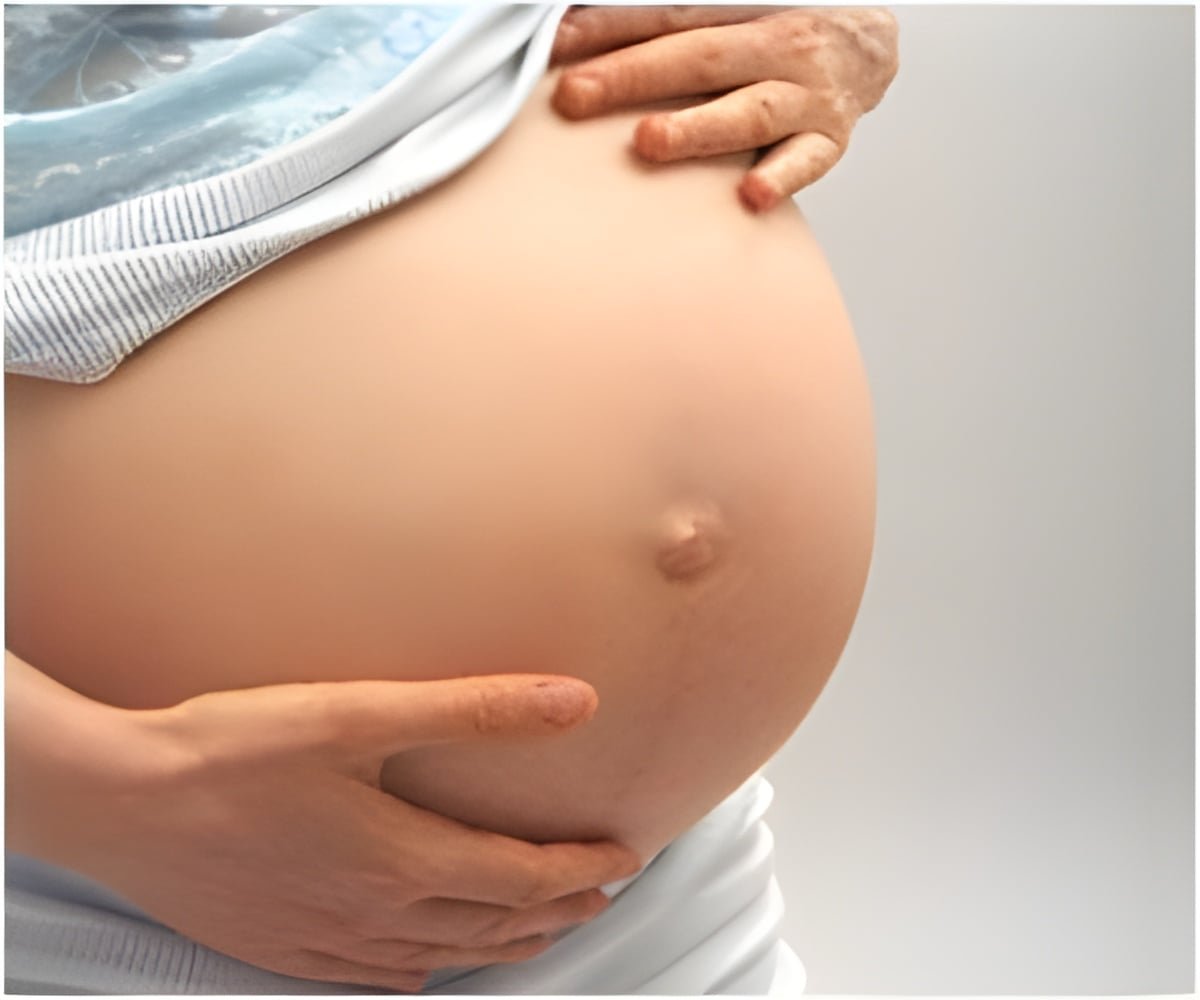
An Australian woman defying 1-in-15-million odds gives birth to naturally conceived identical quadruplets who shared a single placenta.
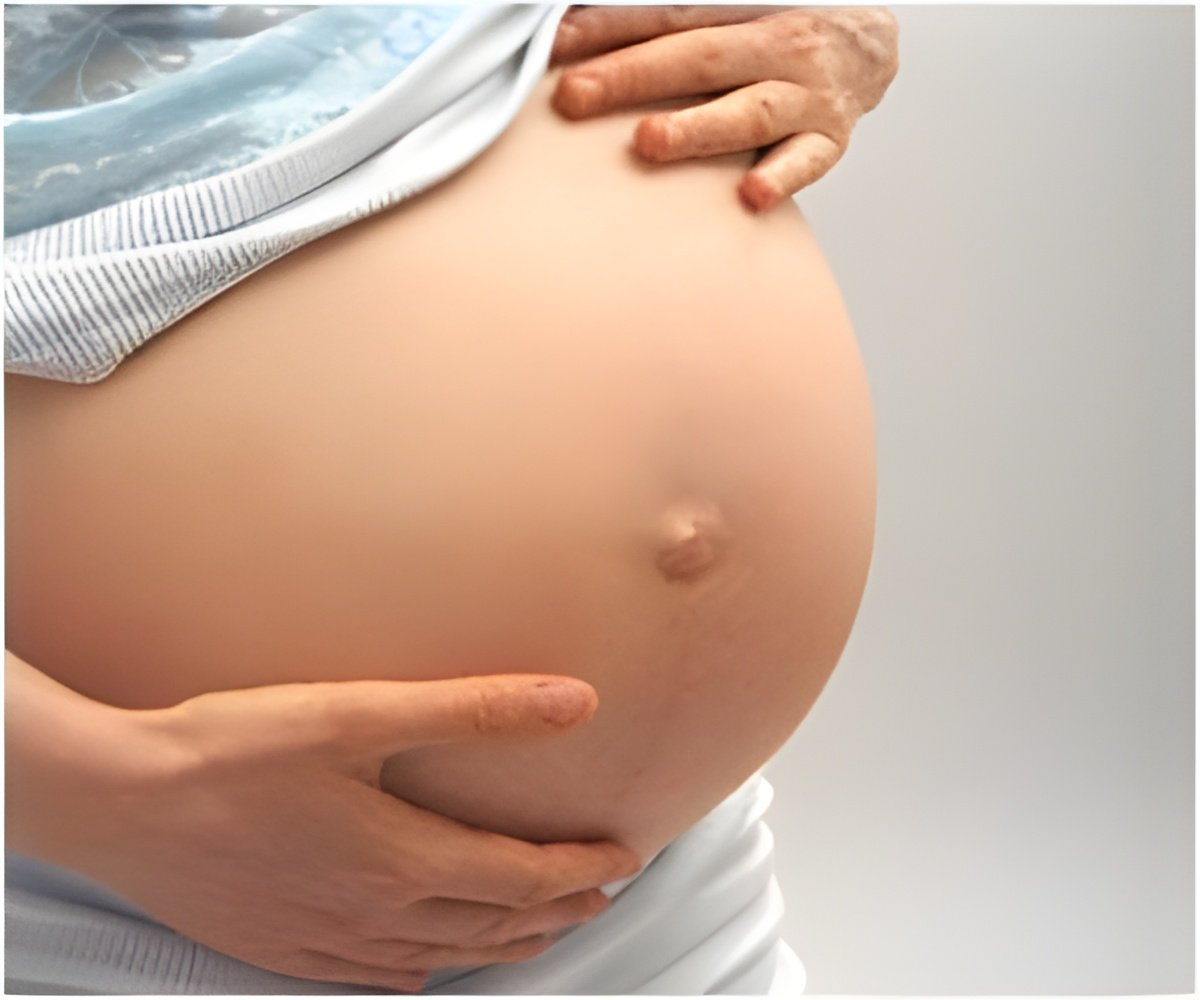
- Jenitar Na’amoana gave birth to four identical girls—Emily, Harriet, Catherine, and Alexa—at 28 weeks and four days via C-section
- The babies were naturally conceived and extraordinarily shared a single placenta, an occurrence described as “unheard of” by specialists
- The newborns are doing extremely well in the neonatal intensive care unit at Royal Brisbane and Women’s Hospital
An Australian woman has given birth to rare, naturally conceived identical quadruplets after a pregnancy described as “extremely high risk” by the Royal Brisbane and Women’s Hospital.
She gave birth to four girls who were delivered via C-section at 28 weeks and four days.
Advertisement
The Birth Story of Australian Identical Quadruplets
On July 14, Jenitar Na’amoana, a 34-year-old expectant mother, gave birth to four identical girls. When Na’amoana and her husband, Jortham, learned they were expecting quadruplets, they were “immensely surprised”, as they already had four children.
Identical quadruplets are thought to occur “in one in every 15 million pregnancies,” according to Dr. Alexa Bendall, who treated the mother from the beginning of her pregnancy. “But to share the same placenta—this is unheard of.”
Dr. Bendall is an obstetrician and specialist in maternal-fetal medicine.
“We always said that if we could get her to 28 weeks, we would be doing well,” Bendall stated. “So, it’s amazing that we have four gorgeous, healthy babies born at 28 weeks and four days, and we’re very happy to be a part of it,” she continued.
Bendall remarked, “Jenitar has taken everything in stride from day one… she has somehow avoided every complication and risk for both herself and her babies.”
In honour of Alexa Bendall, who called it “a beautiful tribute,” the newborn girls have been named Emily, Harriet, Catherine, and Alexa. The infants are “currently doing extremely well” and will remain in the hospital’s neonatal intensive care unit until they reach full term, according to Bendall.
Na’amoana wrote: “Our four precious miracles have arrived safely, and while our hearts are overflowing with gratitude, the reality of caring for four newborns at once has brought challenges we never could have imagined.”
Doctors estimate the odds of naturally conceived quadruplets to be around one in 700,000 births.
Advertisement
What Are Quadruplets?
A quadruplet is a group of four children born at the same time that may be identical, fraternal, or a mix of the two.
Identical Twins
Two identical babies formed from the same pregnancy and develop from the same egg, fertilised by one sperm; shortly after fertilisation, this single embryo splits into two separate zygotes.
Fraternal Twins
Fraternal twins are two non-identical babies born from the same pregnancy who develop from two separate eggs, each fertilised by a different sperm
Multizygotic quadruplets are produced when four different sets of ovum and sperm are fertilised. A monozygotic multiple is created when a fertilised egg divides into two or more embryos.
Multizygotic quadruplets can be all male, all female, or a combination of the two, whereas monozygotic quadruplets are always of the same gender.
Advertisement
What Are the Chances of Having a Quadruplet Pregnancy?
With an incidence rate of 1 in 512,000 to 1 in 677,000 births, spontaneous quadruplet pregnancies are extremely rare. Between 1900 and 1952, only 48 such pregnancies were documented in international literature.
Multifetal pregnancies have significantly increased since gonadotrophin and clomiphene citrate were first used to induce ovulation in 1959 and 1961, respectively. There have been reports of quadruplets in 2.6% of gestations induced by gonadotrophin and 0.3% of pregnancies induced by clomiphene. The overall incidence is 0.6% (1✔ ✔Trusted Source
A quadruplet pregnancy
A Rare Birth Story
Quadruplet pregnancies are so rare, and since the couple already has four children between the ages of one and ten, they have raised a fundraising program called “GoFundMe fundraiser” to support their children, with money going towards medical, travel, and everyday living expenses as well as a van “with at least 10 or 12 seats.”
Notably, the fundraiser has already received donations totalling more than $37,000 (£19,261)!
Frequently Asked Questions
Q: How rare are naturally conceived identical quadruplets?
A: Identical quadruplets naturally conceived and sharing a single placenta are extremely rare, with estimated odds of 1 in 15 million pregnancies.
Q: What is the difference between identical and fraternal quadruplets?
A: Identical (monozygotic) quadruplets develop when a single fertilized egg splits into four embryos. Fraternal (multizygotic) quadruplets occur when four separate eggs are fertilized by four separate sperm.
Q: At how many weeks were the Australian quadruplets born?
A: The quadruplets were delivered via C-section at 28 weeks and four days, successfully reaching the critical 28-week milestone set by their medical team.
Q: Why is sharing a single placenta in a quadruplet pregnancy high risk?
A: Sharing a single placenta (monochorionic pregnancy) carries high risks of uneven blood flow, growth restrictions, and fetal complications, requiring specialized maternal-fetal monitoring.
Q: How are the Australian quadruplets doing after birth?
A: All four baby girls are doing extremely well and are receiving care in the hospital’s neonatal intensive care unit (NICU) until they reach full term.
Q: Do fertility treatments increase the chance of quadruplets?
A: Yes, ovulation-inducing medications like gonadotrophin and clomiphene citrate significantly increase the likelihood of multifetal pregnancies compared to natural conception.
Q: Can quadruplets be different genders?
A: Identical (monozygotic) quadruplets are always the same gender because they come from one embryo, while fraternal quadruplets can be all male, all female, or a mix.
Reference:
- A quadruplet pregnancy – (https://jogi.co.in/article/q2c49434/a-quadruplet-pregnancy-)
Source-Medindia