

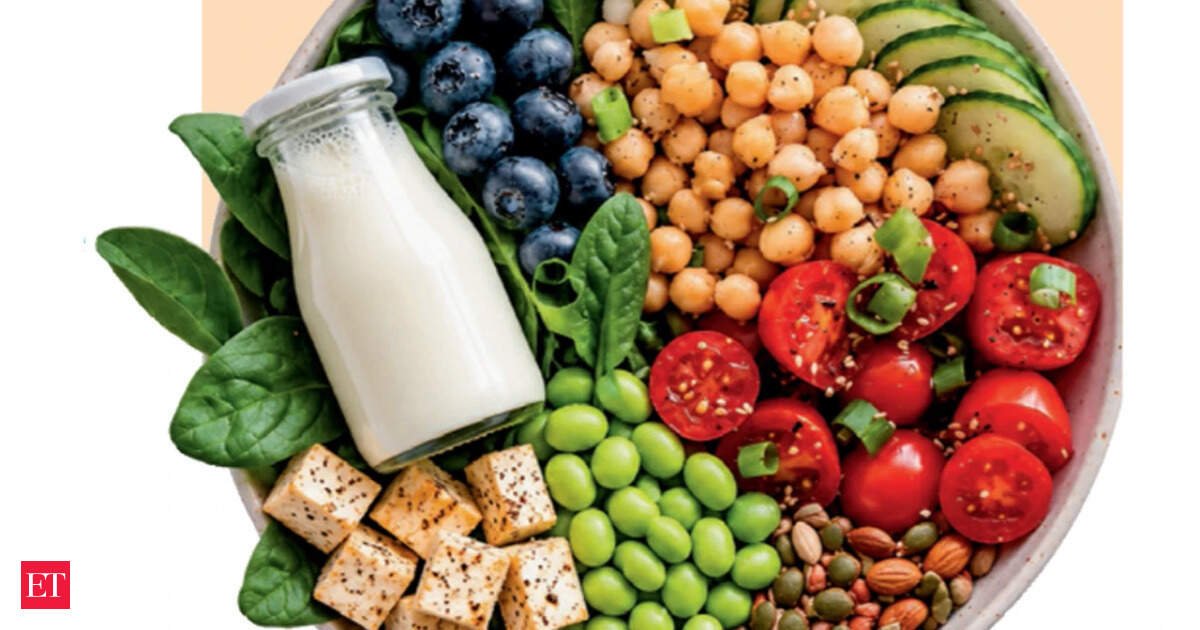
Protein inflation was 4.6% in May and 2.6% in January, it showed. Inflation in vegetarian protein sources also gathered pace, rising to 3.5% in June from 2.7% in May, after remaining flat in January.
Also Read: A yo-yo monsoon is threatening India’s crops and the power grid
“The reason is animal feed costs going up following the West Asia conflict,” said Madan Sabnavis, chief economist at Bank of Baroda.
Heatwaves compounded the pressure. El Nino and extreme heat conditions often reduce fodder availability, driving up feed costs and squeezing margins for livestock and poultry producers.


“Heatwaves cause an increase in feed costs, which leads to an increase in egg and chicken prices,” said Sakshi Gupta, principal economist at HDFC Bank.
Fish prices, meanwhile, were influenced by seasonal and supply-side factors, said Sabnavis.The ET protein basket tracks 17 items: chicken, mutton, fish and prawns, eggs, milk, paneer, curd/yogurt, arhar (tur), moong, urd, masur, gram (split, chana dal), gram (whole), peas/chickpeas, besan and gram products, groundnut and cashew nuts.
Also Read: Sugar prices hit record highs amid supply concerns in India
The analysis showed that milk was the major contributing factor to higher protein inflation in June, with a 31.7% share, followed by chicken (27.6%), fish and prawns (13.9%), mutton (8.3%).
Delayed Sowing a Concern
Pulses together had a 2.7% share.
Milk prices increased after dairy companies, including Amul and Mother Dairy, raised prices in May. “Milk prices tend to be higher during El Nino years and during severe heatwave years due to lower dairy yields caused by heat stress,” said Gupta.
Sabnavis said delayed sowing and reduced acreage could keep pulses prices under pressure.
“Delay in sowing or reduction in the area under cultivation raises concerns about future availability. There is, therefore, a natural tendency for dealers to increase prices,” he said.