

Close Menu

    Subscribe to Updates

    Get the latest news information from worldwide businesses.

    What's Hot

    SolarEdge says its new ‘Lego-like’ home battery installs in under 30 minutes

    July 9, 2026

    The Best Airbnbs Near California’s Majestic Big Sur

    July 9, 2026

    Novo Nordisk Brings Once-Weekly Insulin Awiqli to India

    July 9, 2026
    Facebook Instagram YouTube LinkedIn X (Twitter)
    Trending
    • SolarEdge says its new ‘Lego-like’ home battery installs in under 30 minutes
    • The Best Airbnbs Near California’s Majestic Big Sur
    • Novo Nordisk Brings Once-Weekly Insulin Awiqli to India
    • The ChatGPT browser is already dead
    • Charles Hudson shares the common mistakes he’s seen after investing in 500+ startups
    • Deficit shrinks to 15% but uneven rains fan Kharif concerns
    • Power supply advisory to states, utilities likely soon
    • Meet the new group of stocks powering the S&P 500 higher
    Newspublicly
    • About Us
    • Advertise & Partner with us
    • Pitch Your Story
    • Contact Us
    Facebook Instagram LinkedIn X (Twitter)
    Subscribe
    • Home
    • World News
      • Asia
      • India
      • USA
      • UK & Europe
      • Middle East
    • Economy & Business
      • Global Economy
      • Corporate & Industry
      • Finance & Markets
      • Policy & Trade
    • Technology
      • Gadgets & Devices
      • Software & Apps
      • AI & Machine Learning
      • Robotics & Automation
    • Health & Medicine
      • Fitness & Nutrition
      • Research & Innovation
      • Disease & Treatment
      • Doctors, Clinics & Patient Care
    • Travel & Tourism
    • Automobile
      • Electric & Hybrid Vehicles
      • Auto Industry Insights
    • Sports
    • More
      • Education
      • Real Estate
      • Environment & Climate
      • Space & Astronomy
      • War & Conflicts
    Newspublicly
    Home»More»Space & Astronomy»‘Reckless’ space-based data centers lack environmental review, drawing criticism
    Space & Astronomy

    ‘Reckless’ space-based data centers lack environmental review, drawing criticism

    AdminBy AdminJuly 9, 2026No Comments4 Mins Read0 Views
    Share
    Facebook Twitter LinkedIn Copy Link WhatsApp


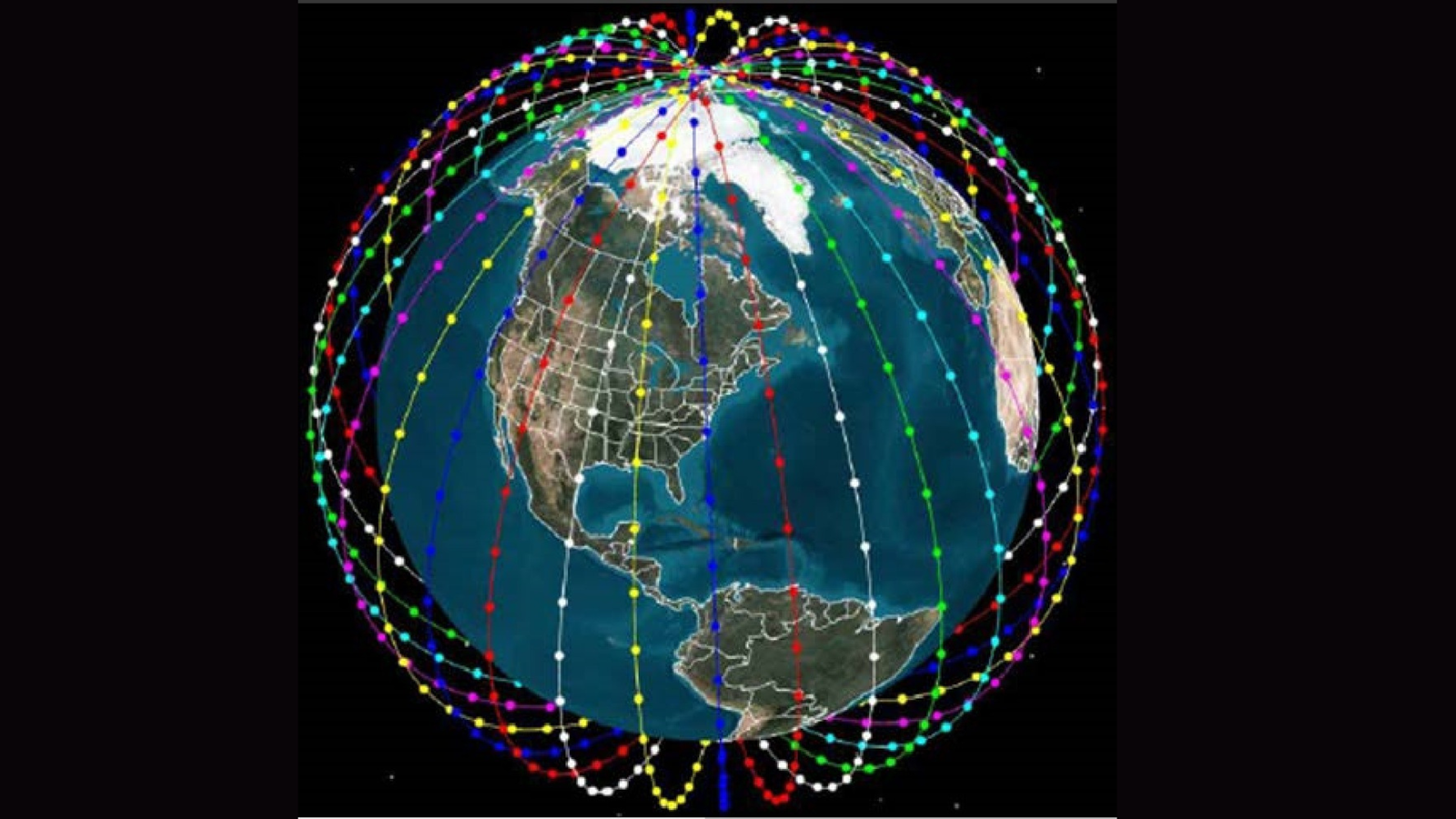
    Environmental and scientific organizations are banding together to demand federal environmental reviews of space-based data center projects, which plan to put more than a million new satellites in Earth orbit over the coming years.

    Over the last few months, a number of different companies have requested licenses from the U.S. Federal Communications Commission (FCC) to launch data centers into space. SpaceX’s proposal alone requests licenses for up to one million satellites in low Earth orbit (LEO). But the requested licenses don’t come with any environmental review of the impacts that the satellites — especially collectively — could have on dark skies, wildlife or our atmosphere. In response, a coalition of environmental and scientific organizations represented by the environmental nonprofit Earthjustice have petitioned the FCC for this review.

    “Allowing a million orbiting data centers with no environmental review isn’t just irresponsible — it’s reckless,” Tim Whitehouse, executive director of Public Employees for Environmental Responsibility, said in a statement on Wednesday (July 8). “The potential for these projects to degrade the atmosphere with pollution and debris and harm wildlife needs to be carefully considered before licensing these projects.”

    Space is big, but a million new satellites added to LEO to support space-based data centers would be a massive increase. Currently, just Earth orbit harbors just 15,000 active satellites and 46,000 tracked objects overall. This number was already on track to grow to 58,000 active satellites, thanks in large part to SpaceX’s ever-growing Starlink broadband megoconstellation, but the data-center plans could make it absolutely explode.

    Experts suggest that this significant addition to the technological ecosystem in orbit could have disastrous consequences for life on Earth.


    You may like

    “Drastically expanding satellites in space has a direct impact on people’s everyday lives as well as the future of our planet,” Jan Hasselman, senior attorney at Earthjustice, said in the statement. “Agencies that authorize companies looking to space as the next frontier still must operate within the law, and the law requires the FCC to consider all the risks and impacts of these proposals. If we have to sue so that they comply, we will.”

    The FCC has not yet required any environmental review for satellite companies seeking authorization to deploy in LEO. With its new petition, this coalition aims to change that, asking the FCC to stop granting licenses for orbiting data centers without an environmental review.

    Space

    What possible environmental harms are they worried about? First of all, as more and more satellites are added to the orbital population, the greater chance there is of collisions, which could produce debris that not only clutters Earth orbit but also increases the risk of additional collisions.

    Further the rocket launches that propel the satellites to orbit contribute greenhouse gas emissions to our atmosphere. And the spacecraft cause further pollution when they deorbit, releasing heavy metals and other materials when they burn up in Earth’s air.

    In addition, a massive increase in satellites will fundamentally change the night sky. Light pollution is known to impact wildlife and ecosystems, disrupting natural rhythms and influencing everything from migration patterns to daily feeding schedules. These disruptions can push animals like bats to miss windows in which insect prey are available, causing them to starve. They can also prevent mountain lions — apex predators that uphold their local ecosystems — from roaming normally at night, fragmenting populations over time, according to the National Wildlife Federation.

    The effects of light pollution on wildlife would doubtless grow if suddenly a million new, blinking satellites were added to our night skies. And issues with light pollution extend to our species as well, as life would look quite different if our night skies were much more crowded by bright lights.

    “These projects could permanently alter the night sky as we know it,” Ruskin Hartley, executive director of DarkSky International, said in the statement. “The FCC needs to take seriously its obligation to ensure these projects do not cause unnecessary harm to naturally dark skies, or to our overall environment.”


    Source link

    Author

    • Admin

      NewsPublicly.com is News & Articles Platform that creating SEO-focused articles on travel, lifestyle, and digital trends.

    Admin
    • Website

    NewsPublicly.com is News & Articles Platform that creating SEO-focused articles on travel, lifestyle, and digital trends.

    Related Posts

    SpaceX wants to launch 100,000 Starlink satellites to orbit

    July 9, 2026

    ‘Silo’ season 3 showrunner Graham Yost explains the time jumps and turning half of the show into a political thriller (interview)

    July 9, 2026

    Could evidence of life on Mars be hiding in clay? Europe wants to send a rover to check

    July 9, 2026
    Leave A Reply Cancel Reply

    Demo
    Top Posts

    The Blue Moon rises on May 30— Where and when to see the second full moon of the month

    May 30, 202640 Views

    New SOCOM rifle allows barrel swapping and cartridge changes

    June 1, 202633 Views

    “Inside Gemini Robotics 1.5: How Robots Learn to Reason & Act

    November 22, 202525 Views

    525 pounds of cocaine seized after Nebraska K9 alerts troopers on I-80

    May 28, 202624 Views
    Don't Miss

    SolarEdge says its new ‘Lego-like’ home battery installs in under 30 minutes

    July 9, 20264 Mins Read0 Views

    Image: SolarEdge SolarEdge is rolling out its next-generation home solar and battery storage platform across…

    The Best Airbnbs Near California’s Majestic Big Sur

    July 9, 2026

    Novo Nordisk Brings Once-Weekly Insulin Awiqli to India

    July 9, 2026

    The ChatGPT browser is already dead

    July 9, 2026
    Stay In Touch
    • Facebook
    • Twitter
    • Instagram
    • YouTube
    • LinkedIn
    • WhatsApp

    Subscribe to Updates

    Get the latest creative news from SmartMag about art & design.

    Demo
    NEWSPUBLICLY
    Facebook X (Twitter) Instagram LinkedIn

    Home

    • About Us
    • Leadership
    • Advertise & Partner With Us
    • Pitch Your Story
    • Media Kit & Pricing
    • Career
    • FAQs

    Guidelines

    • Editorial & Submission
    • Partnership
    • Advertising & Sponsor
    • Intellectual Property Policy
    • Community & Comment
    • Security & Data Protection
    • Send Your Opinion

    Quick Links

    • Cookie Policy
    • Payment & Billing Terms
    • Refund & Cancellation
    • Copyright Policy
    • Complaint & Support
    • Sitemap
    • Contact Us

    Subscribe Us

    Get the latest news and updates!

    Copyright © 2026 Newspublicly (DIGITALIX COMMUNICATION). All Rights Reserved.
    • Privacy Policy
    • Terms of Use
    • Disclaimer