

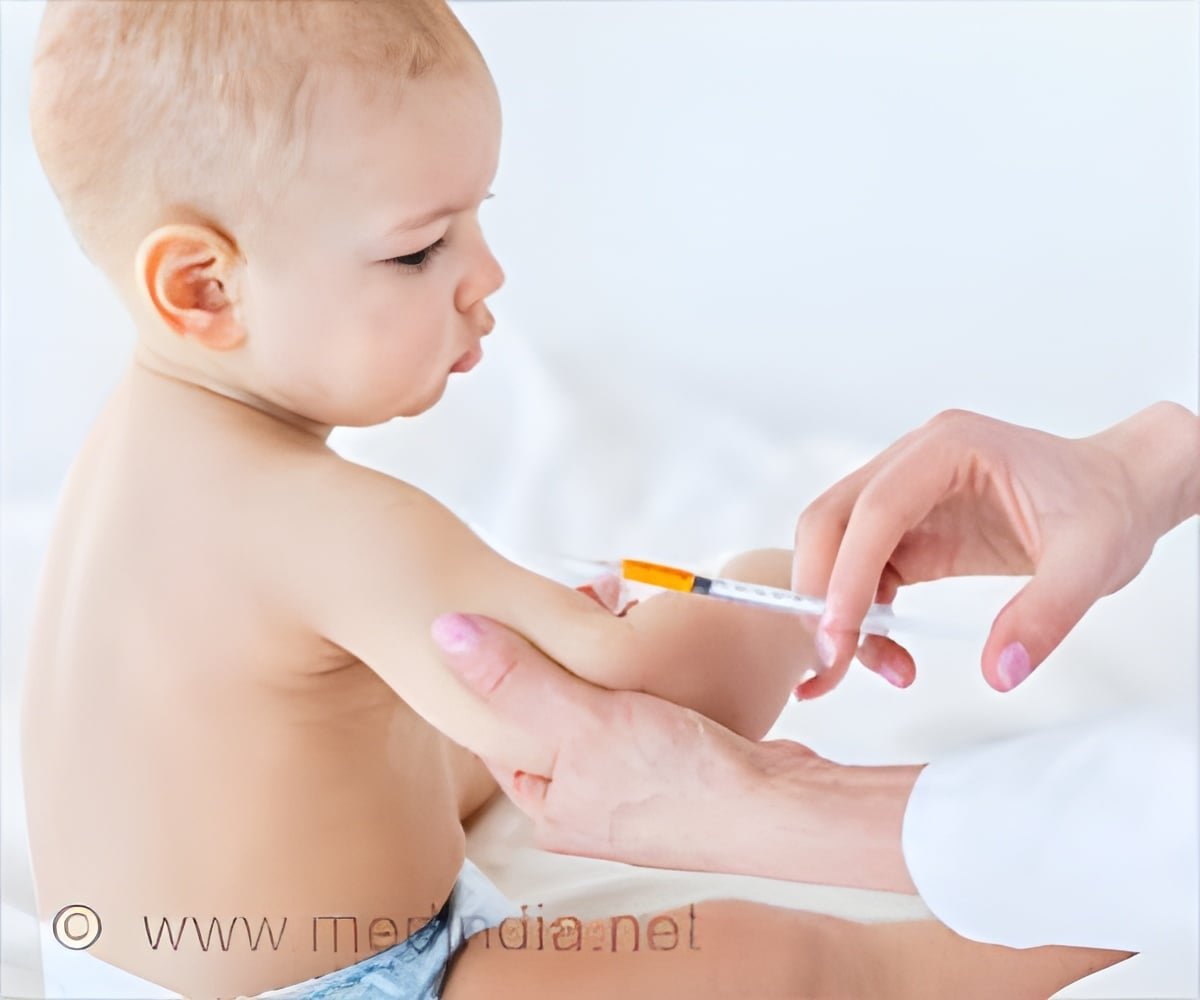
Global immunization improved in 2025, yet 13.5 million children did not receive a single vaccine during their first year of life.
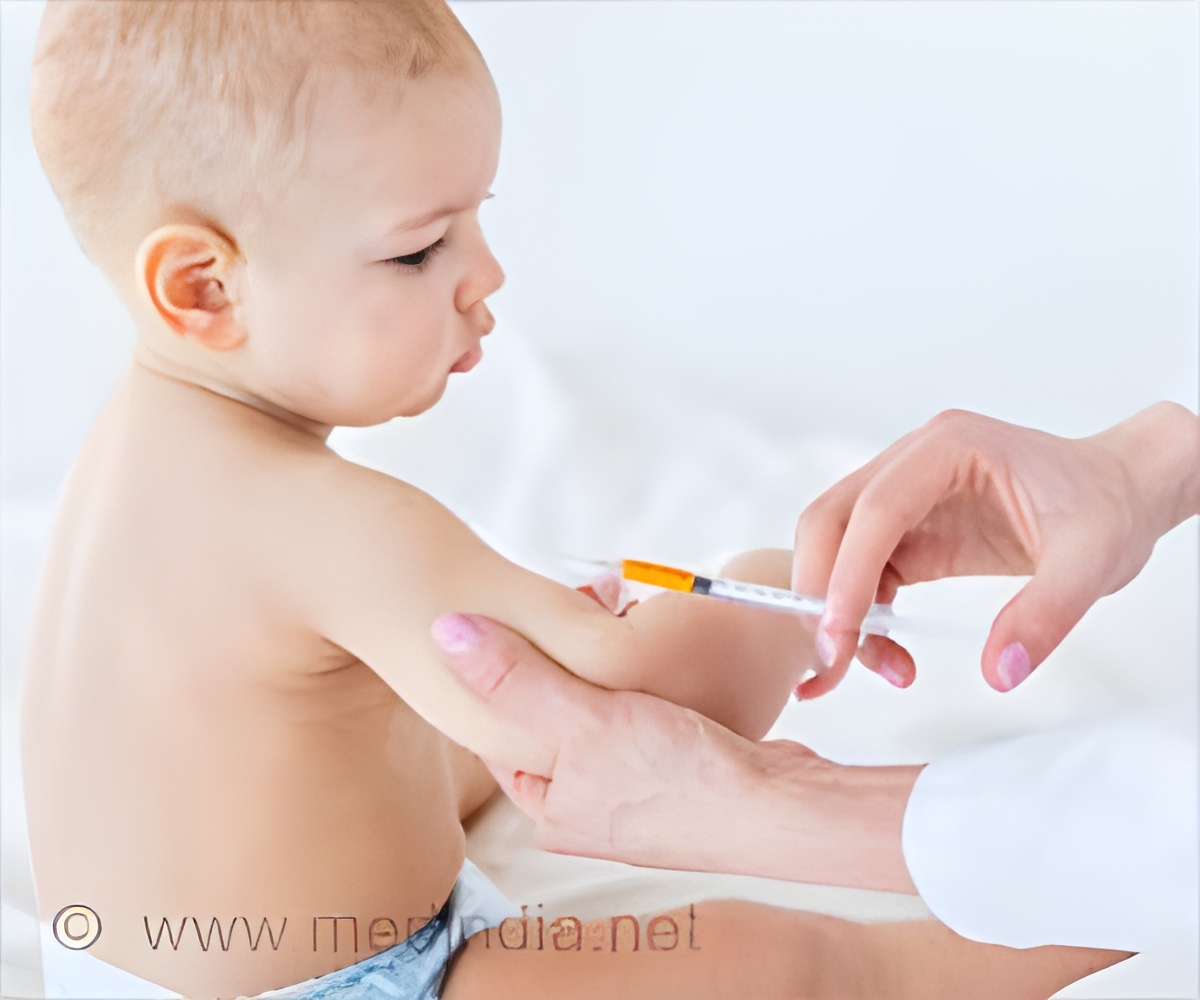
Global childhood vaccination coverage improved in 2025, but an estimated 13.5 million children did not receive a single vaccine during their first year of life, according to the latest WHO-UNICEF Estimates of National Immunization Coverage (WUENIC). These children remain vulnerable to several vaccine-preventable diseases (1✔ ✔Trusted Source
Global childhood immunization coverage inches forward despite conflict and hesitancy – UNICEF, WHO
).
The report found that 85% of children worldwide, or about 110 million, completed the recommended three-dose diphtheria, tetanus and pertussis (DTP) vaccine series, while 90% of infants, representing nearly 116 million, received at least one DTP dose. Although the number of zero-dose children declined by nearly 750,000 compared to 2024, progress remains uneven across regions.
Advertisement
Why Is Measles Vaccination Still Below Target?
The report highlights persistent gaps in measles immunization. An estimated 7.3 million infants received their first DTP dose but missed their first measles-containing vaccine (MCV1). Global measles coverage remains below the 95% threshold needed to prevent outbreaks:
- 84% received the first measles dose (MCV1)
- 77% received the second dose (MCV2)
As a result, 57 countries reported large or disruptive measles outbreaks in 2025.
The recent measles outbreaks in Bangladesh and the US, underscoring how immunity gaps can quickly lead to disease resurgence.
As per the latest data, Bangladesh’s combined tally of confirmed and suspected measles-related deaths stands at 766, while the cumulative number of suspected cases nationwide stands at 113,244.
The US is also experiencing a major measles resurgence, reporting over 2,231 confirmed cases across 42 jurisdictions. This puts the country on track to surpass 2025’s total (2,289 cases), which was the highest in decades, threatening the nation’s measles elimination status.
“These outbreaks underscore how quickly immunity gaps can lead to the resurgence and spread of this highly infectious disease,” said Dr Catharina Boehme, Officer-in-Charge, WHO South-East Asia Region.
Advertisement
How Do Conflict and Poverty Affect Immunization?
More than half of all zero-dose children live in fragile, conflict-affected or vulnerable settings, despite these countries accounting for only about one-third of the world’s child population.
Immunization programs in these regions continue to face disruptions due to conflict, political instability, displacement and chronic underfunding.
UNICEF Executive Director Catherine Russell said that while vaccination rates have rebounded from the declines seen during the COVID-19 pandemic, millions of children remain unreached.
“Millions of vulnerable children are still being left unprotected due to conflict, displacement and poverty. No child should suffer from a disease that a simple vaccine can prevent.”
Advertisement
What Does the WHO-UNICEF Report Reveal About Global Progress?
The report based on data from 195 countries shows mixed progress since 2019:
- 100 countries have maintained at least 90% DTP3 coverage.
- 30 countries improved vaccination coverage after falling below the 90% mark before the pandemic.
- 65 countries continue to stagnate or decline, including 13 fragile or conflict-affected nations.
The Americas and South-East Asia have recovered to or exceeded pre-pandemic vaccination levels, with South-East Asia emerging as the best-performing WHO region.
Africa, Europe and the Eastern Mediterranean have improved but remain below 2019 levels, while the Western Pacific continues to lag behind its pre-pandemic baseline.
Could Funding Cuts Reverse Vaccination Gains?
WHO and UNICEF warned that reductions in international health funding could slow or reverse recent gains. The agencies called on governments and partners to:
- Strengthen immunization services in fragile and conflict-affected settings.
- Counter vaccine misinformation and improve public confidence.
- Increase domestic and international funding for immunization programs.
- Invest in stronger disease surveillance and immunization data systems.
They stressed that sustained investment is essential to meet the Immunization Agenda 2030 goal of reducing zero-dose children and preventing future outbreaks of vaccine-preventable diseases.
Reference:
- Global childhood immunization coverage inches forward despite conflict and hesitancy – UNICEF, WHO – (https://www.who.int/news/item/15-07-2026-global-childhood-immunization-coverage-inches-forward-despite-conflict-and-hesitancy—unicef–who)
Source-Medindia