

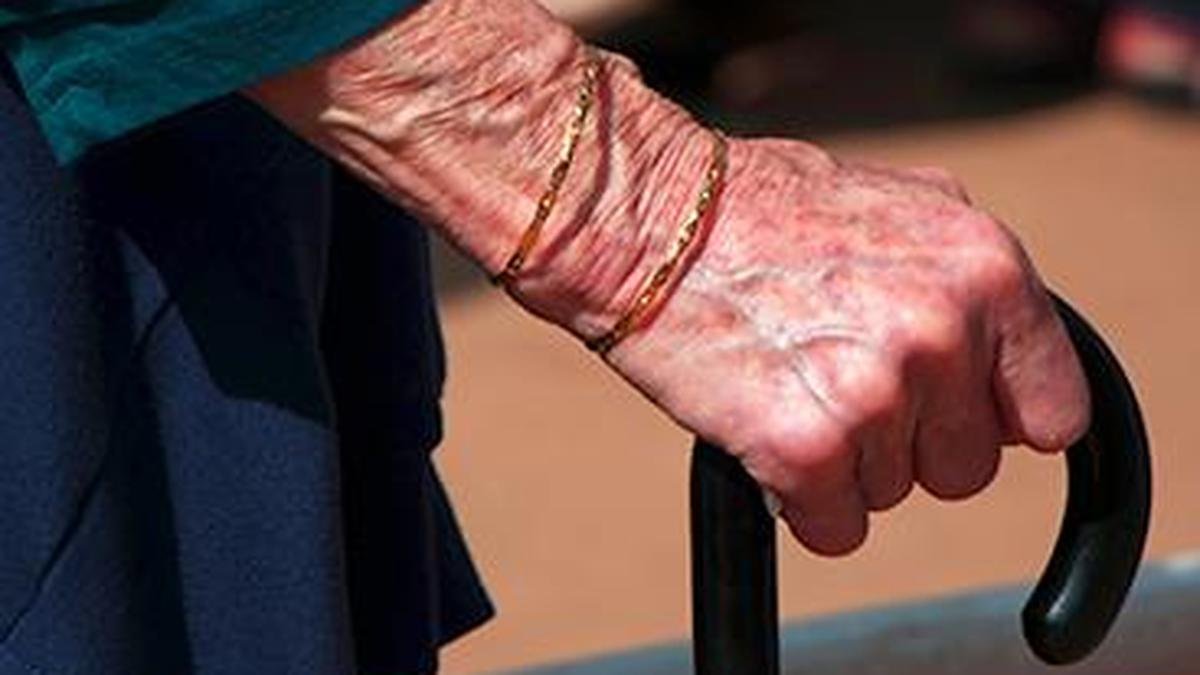
“Let’s not go to that house,” a field staff member said to me, as we surveyed the community to identify people in need of home-based care. “The lady who lives there is always angry. She shouts at us whenever we go to her house.” From a research perspective, this house, and the woman inside it, could easily have become a statistic excluded from the denominator, quietly omitted to avoid inconvenience to the team. But my curiosity about why she was “always angry” led me to her door.
“Kaun hai? (Who is it?),” Janaki (name changed) called out sharply when I knocked on her single room home in Delhi. She let me in, and as I sat beside her, I realised she had extremely poor vision. “I can’t see who is at the door. People come, say something from there, and leave,” she said. What had been interpreted as anger was, in fact, anxiety, born of not knowing whether the person outside was a friend, or a stranger.
“My legs hurt a lot. I can’t sleep because of the pain. I can’t walk anymore; my legs are weak. I can’t see,” she said, listing her complaints once she realised I was a doctor. Despite taking multiple medications for pain, her pain was not under control. Gradually, her voice broke, and she began to cry. “Please do me a favor,” she said quietly. “Kill me.”

Two lives, one injury
Consider the following scenarios and imagine yourself in them:
Imagine that the cost of treating your parents’ illness has pushed you into overwhelming debt. Because you had to take prolonged leave to look after your parents, you also lost your job. You have a family to support, no source of income, and loans you cannot repay. Your children’s education is now uncertain.
One day, you accidentally step on a piece of broken glass and sustain a deep cut on your foot. Consider the pain you would feel in that moment. Taking everything else in your life into account, how would you rate that pain on a scale of 1 to 10?
Now imagine a different life. You have a well-paying job, healthy parents, and a supportive family. You have no debt, no caregiving responsibilities, and a stable home with adequate food and financial security. Once again, you accidentally step on a piece of broken glass and sustain the same cut. On the same pain scale of 1 to 10, how much pain do you think you would experience this time?

Why everyone doesn’t feel the same
In the 1960s, Cicely Saunders, an English nurse, medical social worker and physician, introduced the idea of “total pain.” Through her work with patients, she observed that suffering is not only caused by physical symptoms, but also by emotional, social, and spiritual distress. She highlighted that pain cannot always be fully understood or treated by looking at physical disease alone.
Physical pain, the most assessed form of pain, is only one of the contributory factors to total pain. This pain occurs due to the abnormal changes caused in the body by illness, injury, or treatment for these conditions. A broken bone, a cut in the skin, an ulcer in the stomach, or a stress-induced headache are examples of physical pain. However, the severity of this pain is often influenced by a person’s psychological, social, and spiritual well-being.
A serious illness can bring fear, anxiety, sadness, anger, or feelings of uncertainty about the future. Patients may worry about whether treatment will work, how the illness will progress, or what will happen to their loved ones. These emotions can intensify the experience of physical symptoms and make suffering feel even greater. Pre-existing psychological stressors can act in the same way. Psychological stress due to poverty, unemployment, illness of loved ones in the family, or debt can also increase the intensity of the pain experienced.
Illness can also cause social pain. Some may feel that they are becoming dependent on others or fear that they are a burden to their loved ones. Changes in roles within the family or community can lead to feelings of isolation or loss of identity. Often, a serious limiting illness in the breadwinner may push children in the family out of school to work and earn money, or into caregiving roles. These social stressors, whether caused by the illness or already present, can influence the severity of the pain experienced.
Finally, there may be spiritual pain, which relates to deeper questions about meaning, purpose, and beliefs. People facing serious illness sometimes struggle with questions such as “why is this happening to me?” or concerns about death and unfinished matters in life.
Ultimately, a combination of physical, psychological, social, and spiritual factors influences how a person experiences pain. Therefore, pain caused by the same type of injury may be experienced differently by two people from different backgrounds. Because these different forms of suffering are closely connected, good care should aim to treat the whole person, not just the disease. This holistic approach is a key principle of palliative care, which focuses on improving quality of life by addressing physical symptoms as well as emotional, social, and spiritual needs.

Are medicines enough?
The conversation around pain relief often centres only on access to pain-relieving medicines. From medical education to the functioning of health systems, pain relief is frequently equated with a drug prescription. The stepwise approach to pain management developed by the World Health Organization and taught to medical students, primarily focuses on the strength of the medicine that should be prescribed at different levels of pain.
Similarly, at the health-system level in India, access to palliative care is often assessed by indicators such as the amount of morphine consumed per person dying of cancer. While medicines are an essential and often life-changing intervention for pain relief, reducing the management of pain to a prescription alone is a disservice to those who suffer.
To truly address pain and suffering, we must look beyond medicines and include interventions that improve the psychological, social, and spiritual well-being of the person. Psychological support may involve counselling, clear communication about the disease and its treatment, reassurance, and helping patients cope with fear, uncertainty, or anxiety related to their illness.
Addressing the social impact of illness is equally important. Social support may involve helping families deal with financial difficulties, connecting them with community support systems, or arranging caregiving assistance at home. Broader social protection measures, such as schemes that ensure food security for the family, continued education for children, and access to free or affordable healthcare, can significantly reduce the stress and anxiety that often accompany serious illness.
Spiritual care is another important dimension. Patients may need a safe space to discuss questions about meaning, hope, faith, or unresolved concerns in life. Facilitating access to spiritual leaders, community elders, or personal practices that bring comfort can help patients find peace and resilience during difficult times. Together, these approaches complement medical treatment and help reduce the overall burden of pain and suffering.
Although doctors are often the first point of contact for people in pain, it is unrealistic to expect them, especially in already overstretched health systems, to address every dimension of total pain. Effective care requires a multi-disciplinary approach. At the healthcare facility level, this may include social workers, psychologists, counsellors, trained community members, and volunteers working alongside doctors and nurses to support patients and families.
Ensuring that people have access to adequate relief from total pain requires strong and supportive public policies that recognise pain and suffering as broader public health concerns. The gaps created by inadequate policies cannot be filled by individual healthcare providers alone. A crucial first step is to update medical, nursing, and allied health curricula so that care providers are trained to identify the different dimensions of distress that contribute to total pain. This must be followed by policies that strengthen not only the public health system, but also the broader systems of social support, ensuring adequate social security and protection for everyone in the community.
Until systems are designed to address the social and emotional realities of illness, alongside its physical symptoms, many people will continue to live with unrelieved suffering, even while the healthcare system believes their pain is being adequately managed through prescriptions alone.

What Janaki really needed
Examining Janaki revealed several serious health problems that would ideally require hospital admission. Her blood sugar was over 500, and her blood pressure was 200/120 mm Hg. She was unable to walk because of severe weakness in her legs. The cataracts in her eyes had left her blind, a reversible condition that had not been treated because her diabetes and hypertension remained uncontrolled. However, visiting a hospital was not feasible for her. She lived in a crowded urban slum in Delhi, with the nearest main road, where transport was available, located a long walk away.
“What is your biggest concern?” I asked her, a question I had been taught to begin with by my mentor, Dr. M. R. Rajagopal, a pioneer of palliative care in India.
“Earlier, I used to light the lamp in my temple every day. Now I am unable to do that because of my poor vision,” she said, beginning to cry.
According to clinical guidelines, she needed a series of tests and several medicines to control her blood sugar and blood pressure. But what she longed for, in that moment, was help to light the lamp. For the next week, I began by helping her light it every day. That small act not only brought her comfort but also helped build trust between us. Gradually, I started adjusting her medications to control her diabetes and hypertension and to manage her pain. Over time, her symptoms and other health conditions came under control.
Two months later, she called me. “Where are you? Come visit me today. I got my cataract surgery done. I want to see what you look like.”
I visited her the next day. The lamp in her temple was lit. She was full of energy, getting ready to attend a wedding on the street outside. She was still unable to walk independently. But she no longer wished to die.
(Dr. Parth Sharma is a community physician and public health researcher who currently works as a junior specialist in the department of preventive oncology and public health at Cachar Cancer Hospital and Research Centre, Silchar, Assam.)
(This article was first published in The Hindu’s e-book, Pain and Relief: Demystifying the Science of Suffering)