

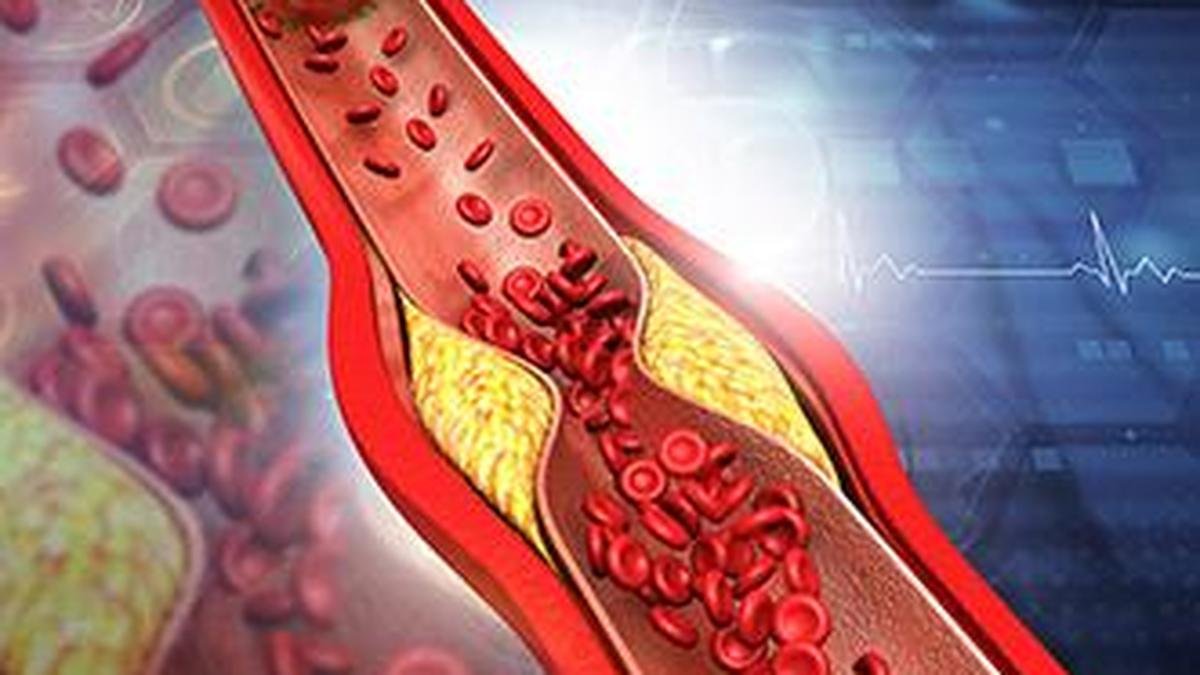
For decades, cholesterol has been treated as the ultimate dietary criminal. The mere mention of the word sends many into panic mode, reinforced by messaging that portrays cholesterol as a silent killer waiting to block arteries and trigger heart attacks. Yet modern science paints a far more nuanced picture. Cholesterol is not entirely the villain we imagine it to be; in fact, it is essential for life. The real issues are imbalances, lifestyles, and changing food cultures in modern India.

What is cholesterol?
Cholesterol is a waxy, fat-like substance naturally produced by our liver. Every cell in the human body requires it. It helps build cell membranes, produce hormones such as oestrogen and testosterone, and synthesise vitamin D. Without cholesterol, life would not function normally. The problem begins when cholesterol levels rise beyond healthy limits, particularly certain types of cholesterol associated with artery blockage.
In India, high cholesterol has become a growing public health concern. Cardiovascular diseases are now one of the leading causes of death in the country and are increasingly affecting younger people. Sedentary lifestyles, stress, processed foods, lack of exercise, and the rapid disappearance of traditional eating habits have all contributed to this phenomenon.

‘Good’ vs. ‘bad’ cholesterol
In scientific terms, it is the particles that transport cholesterol to and from cells in the blood, that are ‘good’ or ‘bad’. Low-density lipoprotein (LDL) carries cholesterol from the liver to various tissues. Too much LDL increases the likelihood that blood vessels will constrict (narrow) due to cholesterol accumulation in the arterial walls; hence its being called ‘bad’. The ‘good’ cholesterol is high-density lipoprotein (HDL), which removes excess cholesterol from the bloodstream and returns it to the liver for elimination.

When imbalance occurs
The problem with many Indians has to do with their lifestyle and eating patterns. Traditional diets had more millets, pulses, vegetables, fermented foods and seasonal fruits, and were paired with an active lifestyle. Today, urban India increasingly depends on ultra-processed snacks, bakery products, sugary beverages, deep-fried fast foods, and excessive refined carbohydrates and this is paired with sedentary lifestyles. Science now shows that sugar and refined carbohydrates can also disrupt cholesterol balance by encouraging the liver to produce more harmful LDL particles.
A good example illustrating this, is ghee. For years, ghee was demonised as a dangerous fat. Yet our grandparents, who consumed moderate quantities of ghee and often led physically active lives with minimally processed foods, were generally healthy. The real culprits today may be trans fats, repeated-use cooking oils in street foods, processed meats, excessive sugar, and lack of physical activity.
Many people may appear outwardly healthy but carry dangerous cholesterol levels without symptoms. Indians are particularly vulnerable due to a genetic predisposition toward abdominal fat accumulation and metabolic disorders such as diabetes. A software engineer sitting for 10 hours a day, surviving on food delivery apps and minimal exercise, may face a greater risk of high cholesterol than a farmer consuming moderate amounts of traditional fats.
The way forward
The emphasis should lie in achieving a balance. Experts are increasingly recommending dietary fibre, whole grain products, nuts, seeds, legumes, fruits and healthy fats. Traditional Indian ingredients such as, ragi, jowar, green gram, horse gram, fermented idli batter or fibre-rich curries can actually keep cholesterol levels healthy. Fish rich in omega-3 fatty acids, such as sardines and mackerel commonly eaten along India’s coasts, also support heart health.
Equally important is exercise. Walking, yoga, cycling, swimming, and even household physical activity improve HDL levels and reduce harmful fats in circulation.
Cholesterol problems are therefore as much social and lifestyle issues as medical ones. The larger lesson is that cholesterol should neither be ignored nor feared irrationally. Instead of treating cholesterol as a villain hiding in every spoon of ghee or egg yolk, Indians may need to rethink the broader ecology of health — less processed food, more physical activity, traditional dietary wisdom, stress reduction, and regular health screenings.
(Dr. Biju Dharmapalan is dean – academic affairs, Garden City University, Bengaluru and an adjunct faculty at the National Institute of Advanced Studies, Bengaluru. bijudharmapalan@gmail.com )
Published – June 27, 2026 08:17 am IST