

Close Menu

    Subscribe to Updates

    Get the latest news information from worldwide businesses.

    What's Hot

    Bollywood’s box office blues return after one big hit

    June 17, 2026

    The Fed threw investors a curve ball on Wednesday. Here’s how stocks, bonds, gold and the dollar reacted.

    June 17, 2026

    Macron hails US alignment with G7’s ‘shared commitment’ on Ukraine | G7

    June 17, 2026
    Facebook Instagram YouTube LinkedIn X (Twitter)
    Trending
    • Bollywood’s box office blues return after one big hit
    • The Fed threw investors a curve ball on Wednesday. Here’s how stocks, bonds, gold and the dollar reacted.
    • Macron hails US alignment with G7’s ‘shared commitment’ on Ukraine | G7
    • High Court seeks government’s reply as Telegram challenges ban over NEET retest | India News
    • Alex Murdaugh defense prepares plan to counter kennel video at retrial
    • One of these twin stars has likely been snacking on exoplanets
    • Jey Uso fires back at claims he’s the “most hated” WWE star
    • BMW i3 orders open months ahead of schedule as demand builds
    Newspublicly
    • About Us
    • Advertise & Partner with us
    • Pitch Your Story
    • Contact Us
    Facebook Instagram LinkedIn X (Twitter)
    Subscribe
    • Home
    • World News
      • Asia
      • India
      • USA
      • UK & Europe
      • Middle East
    • Economy & Business
      • Global Economy
      • Corporate & Industry
      • Finance & Markets
      • Policy & Trade
    • Technology
      • Gadgets & Devices
      • Software & Apps
      • AI & Machine Learning
      • Robotics & Automation
    • Health & Medicine
      • Fitness & Nutrition
      • Research & Innovation
      • Disease & Treatment
      • Doctors, Clinics & Patient Care
    • Travel & Tourism
    • Automobile
      • Electric & Hybrid Vehicles
      • Auto Industry Insights
    • Sports
    • More
      • Education
      • Real Estate
      • Environment & Climate
      • Space & Astronomy
      • War & Conflicts
    Newspublicly
    Home»Health & Medicine»Research & Innovation»Scientists say most of what’s in your food is still a mystery
    Research & Innovation

    Scientists say most of what’s in your food is still a mystery

    AdminBy AdminJune 17, 2026No Comments5 Mins Read0 Views
    Share
    Facebook Twitter LinkedIn Copy Link WhatsApp


    When scientists cracked the human genome in 2003 – sequencing the entire genetic code of a human being – many expected it would unlock the secrets of disease. But genetics explained only about 10% of the risk. The other 90% lies in the environment – and diet plays a huge part.

    Worldwide, poor diet is linked to around one in five deaths among adults aged 25 years or older. In Europe, it accounts for nearly half of all cardiovascular deaths.

    But despite decades of advice about cutting fat, salt or sugar, obesity and diet-related illness have continued to rise. Clearly, something is missing from the way we think about food.

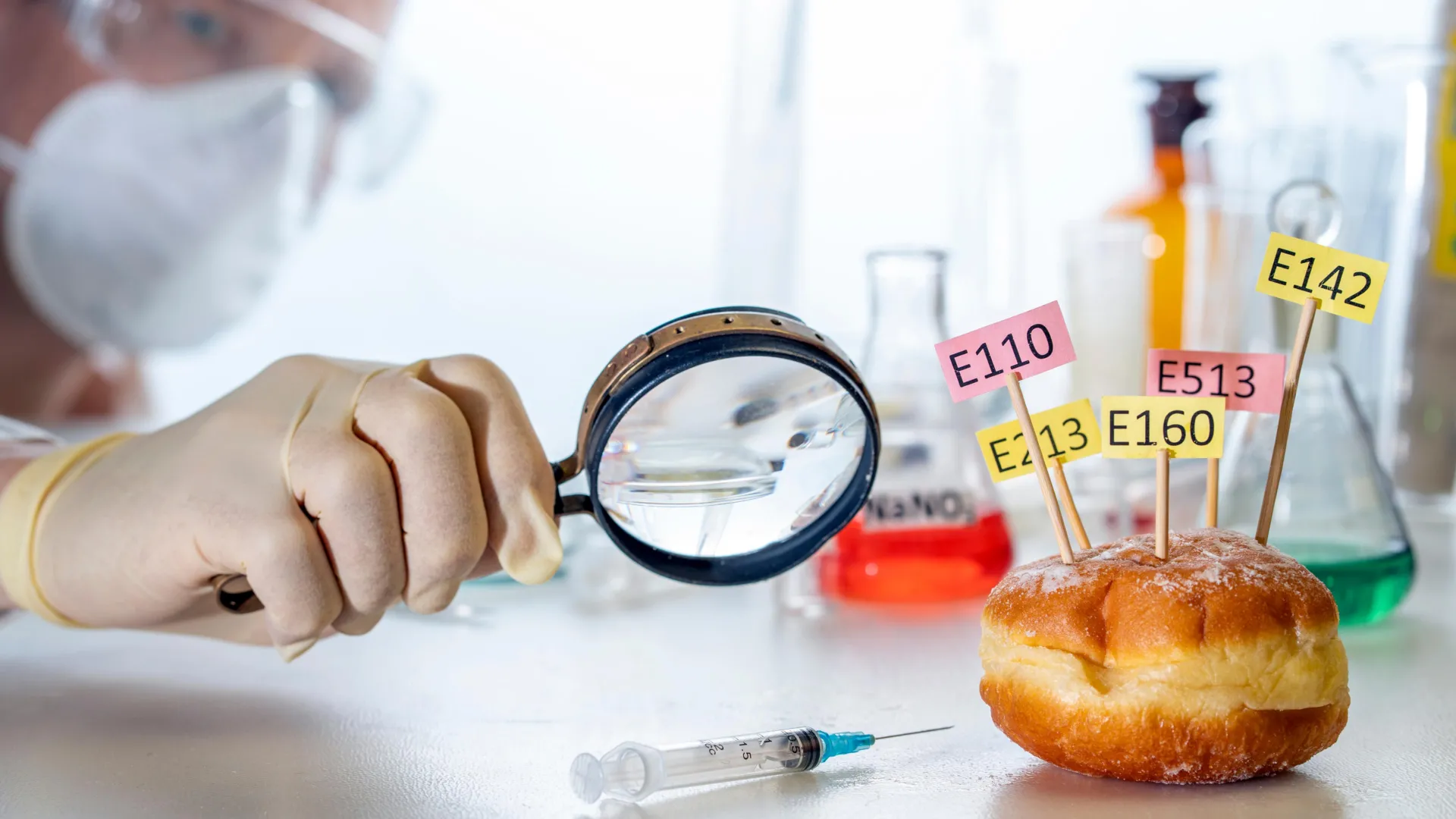
    For years, nutrition has often been framed in fairly simple terms: food as fuel and nutrients as the body’s building blocks. Proteins, carbohydrates, fats and vitamins – about 150 known chemicals in total – have dominated the picture. But scientists now estimate our diet actually delivers more than 26,000 compounds, with most of them still uncharted.

    Here is where astronomy provides a useful comparison. Astronomers know that dark matter makes up about 27% of the universe. It doesn’t emit or reflect light, and so it cannot be seen directly but its gravitational effects reveal that it must exist.

    Nutrition science faces something similar. The vast majority of chemicals in food are invisible to us in terms of research. We consume them every day, but we have little idea what they do.

    Some experts refer to these unknown molecules as “nutritional dark matter.” It’s a reminder that just as the cosmos is filled with hidden forces, our diet is packed with hidden chemistry.

    When researchers analyze disease, they look at a vast array of foods, although any association often cannot be matched to known molecules. This is the dark matter of nutrition – the compounds we ingest daily but haven’t been mapped or studied. Some may encourage health, but others may increase the risk of disease. The challenge is finding out which do what.

    Foodomics

    The field of foodomics aims to do exactly that. It brings together genomics (the role of genes), proteomics (proteins), metabolomics (cell activity) and nutrigenomics (the interaction of genes and diet).

    These approaches are starting to reveal how diet interacts with the body in ways far beyond calories and vitamins.

    Take the Mediterranean diet (filled with fruits, vegetables, whole grains, legumes, nuts, olive oil and fish, with limited red meat and sweets), for example, which is known to reduce the risk of heart disease.

    But why does it work? One clue lies in a molecule called TMAO (trimethylamine N-oxide), produced when gut bacteria metabolize compounds in red meat and eggs. High levels of TMAO increase the risk of heart disease. But garlic, for example, contains substances that block its production. This is one example of how diet can tip the balance between health and harm.

    Gut bacteria also play a major role. When compounds reach the colon, microbes transform them into new chemicals that can affect inflammation, immunity and metabolism.

    For example, ellagic acid – found in various fruits and nuts – is converted by gut bacteria into urolithins. These are a group of natural compounds that help keep our mitochondria (the body’s energy factories) healthy.

    This shows how food is a complex web of interacting chemicals. One compound can influence many biological mechanisms, which in turn can affect many others. Diet can even switch genes on or off through epigenetics – changes in gene activity that don’t alter DNA itself.

    History has provided stark examples of this. For example, children born to mothers who endured famine in the Netherlands during the second world war were more likely to develop heart disease, type 2 diabetes and schizophrenia later in life. Decades on, scientists found their gene activity had been altered by what their mothers ate – or didn’t eat – while pregnant.

    Mapping the food universe

    Projects such as the Foodome Project are now attempting to catalogue this hidden chemical universe. More than 130,000 molecules have already been listed, linking food compounds to human proteins, gut microbes and disease processes. The aim is to build an atlas of how diet interacts with the body, and to pinpoint which molecules really matter for health.

    The hope is that by understanding nutritional dark matter, we can answer questions that have long frustrated nutrition science. Why do certain diets work for some people but not others? Why do foods sometimes prevent, and sometimes promote, disease? Which food molecules could be harnessed to develop new drugs, or new foods?

    We are still at the beginning. But the message is clear – the food on our plate is not just calories and nutrients, but a vast chemical landscape we are only starting to chart. Just as mapping cosmic dark matter is transforming our view of the universe, uncovering nutritional dark matter could transform how we eat, how we treat disease and how we understand health itself.The Conversation


    Source link

    Author

    • Admin

      NewsPublicly.com is News & Articles Platform that creating SEO-focused articles on travel, lifestyle, and digital trends.

    Admin
    • Website

    NewsPublicly.com is News & Articles Platform that creating SEO-focused articles on travel, lifestyle, and digital trends.

    Related Posts

    On the brink of extinction, the vaquita gets a digital lifeline

    June 17, 2026

    Scientists discover spider that disguises itself as a parasitic fungus

    June 17, 2026

    Ozempic and Wegovy linked to surprising drop in violent behavior

    June 17, 2026
    Leave A Reply Cancel Reply

    Demo
    Top Posts

    The Blue Moon rises on May 30— Where and when to see the second full moon of the month

    May 30, 202640 Views

    New SOCOM rifle allows barrel swapping and cartridge changes

    June 1, 202633 Views

    “Inside Gemini Robotics 1.5: How Robots Learn to Reason & Act

    November 22, 202525 Views

    525 pounds of cocaine seized after Nebraska K9 alerts troopers on I-80

    May 28, 202624 Views
    Don't Miss

    Bollywood’s box office blues return after one big hit

    June 17, 20263 Mins Read0 Views

    Mumbai: After the blockbuster success of Dhurandhar 2: The Revenge, Hindi cinema has slipped back…

    The Fed threw investors a curve ball on Wednesday. Here’s how stocks, bonds, gold and the dollar reacted.

    June 17, 2026

    Macron hails US alignment with G7’s ‘shared commitment’ on Ukraine | G7

    June 17, 2026

    High Court seeks government’s reply as Telegram challenges ban over NEET retest | India News

    June 17, 2026
    Stay In Touch
    • Facebook
    • Twitter
    • Instagram
    • YouTube
    • LinkedIn
    • WhatsApp

    Subscribe to Updates

    Get the latest creative news from SmartMag about art & design.

    Demo
    NEWSPUBLICLY
    Facebook X (Twitter) Instagram LinkedIn

    Home

    • About Us
    • Leadership
    • Advertise & Partner With Us
    • Pitch Your Story
    • Media Kit & Pricing
    • Career
    • FAQs

    Guidelines

    • Editorial & Submission
    • Partnership
    • Advertising & Sponsor
    • Intellectual Property Policy
    • Community & Comment
    • Security & Data Protection
    • Send Your Opinion

    Quick Links

    • Cookie Policy
    • Payment & Billing Terms
    • Refund & Cancellation
    • Copyright Policy
    • Complaint & Support
    • Sitemap
    • Contact Us

    Subscribe Us

    Get the latest news and updates!

    Copyright © 2026 Newspublicly (DIGITALIX COMMUNICATION). All Rights Reserved.
    • Privacy Policy
    • Terms of Use
    • Disclaimer