


Telangana is eyeing a ₹2,580-crore (US$300 million) World Bank loan to support an ambitious overhaul of its healthcare system under the Telangana Strategic Vision for Attaining Sustainable Transformation in Health Care programme.
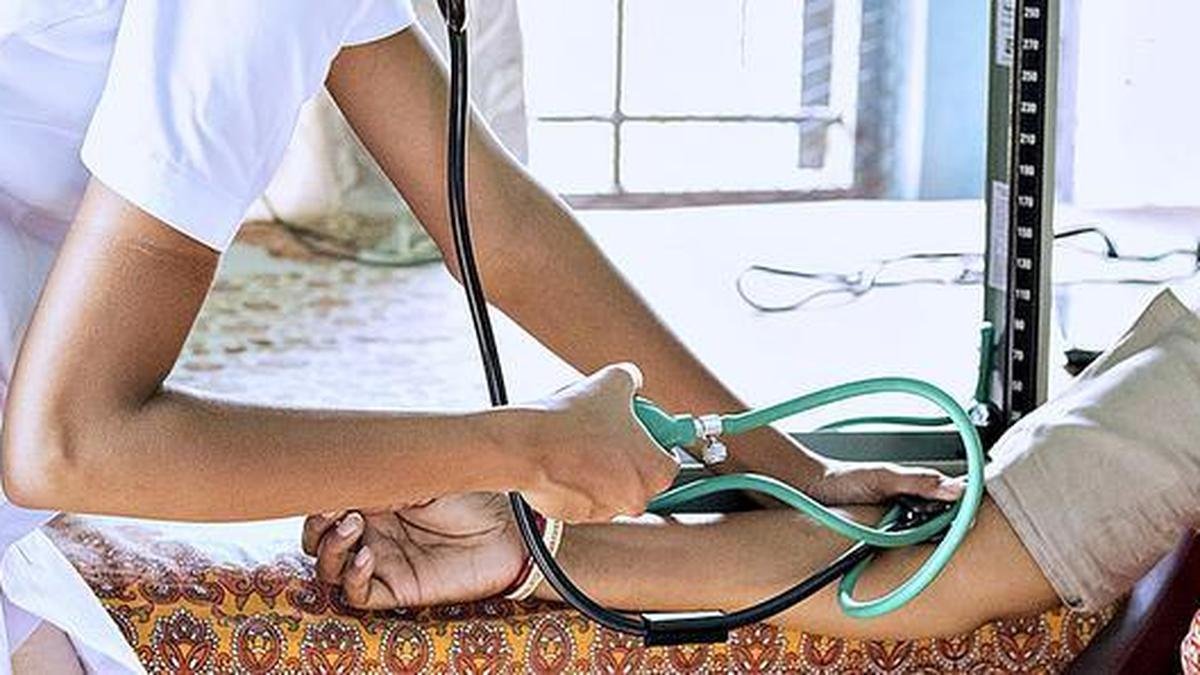
| Photo Credit: Representational Photo
Telangana is eyeing a ₹2,580-crore (US$300 million) World Bank loan to support an ambitious overhaul of the healthcare system under the Telangana Strategic Vision for Attaining Sustainable Transformation in Health Care (TG-SVASTH) programme, according to the World Bank final draft Environment and Social Systems Assessment (ESSA) prepared for Project P512286.
The programme seeks to strengthen healthcare services across Telangana by improving the management of non-communicable diseases (NCDs), expanding women’s and elderly healthcare, promoting preventive care, and strengthening governance and digital health systems.
According to the World Bank final draft updated as of June, accessed by The Hindu, the financing will be provided through the World Bank’s Program-for-Results (PforR) mechanism, under which funds are linked to the achievement of agreed performance targets rather than merely to expenditure.
While the loan is proposed to the Government of India through the International Bank for Reconstruction and Development (IBRD), Telangana will implement the programme through its Department of Health, Medical and Family Welfare.
Shift to preventive healthcare
The report notes that Telangana has already built an extensive healthcare network comprising thousands of sub-centres, primary health centres and urban primary health centres, while recording improvements in maternal and infant mortality indicators and maintaining high institutional delivery rates.
However, changing disease patterns and demographic trends have created new challenges. Rising incidence of diabetes, hypertension, cardiovascular diseases, cancers and the increasing healthcare needs of an ageing population have necessitated a shift from disease-specific and hospital-centric approaches towards integrated, person-centred and preventive healthcare.
The programme is structured around three major result areas. The first focuses on improving the quality and accessibility of services for patients with non-communicable diseases, women and elderly persons. The second aims to strengthen preventive healthcare and digital transformation by encouraging early screening, reducing avoidable hospitalisation and improving community awareness. The third seeks to enhance governance, monitoring and institutional capacity within the health system.
The report also highlights the need for improved home-based care services for elderly persons and recommends operational guidelines and training mechanisms to ensure safe and effective delivery.
Focus on vulnerable groups
The programme seeks to improve access to healthcare among vulnerable sections, including Scheduled Tribe communities, women, elderly citizens and persons with disabilities. Strengthening grievance redress mechanisms, including systems to address complaints related to sexual exploitation, abuse and harassment, also forms part of the proposed reforms.
Action plan proposed
The report proposes a series of institutional reforms and capacity-building measures, including training of health personnel, strengthening environmental and social safeguards, improving healthcare accessibility and enhancing systems for monitoring and accountability.
The final draft document states that these measures are intended to support Telangana’s transition towards a more resilient, inclusive and sustainable healthcare system capable of addressing the state’s evolving disease burden and demographic challenges.
Published – June 17, 2026 08:43 pm IST