

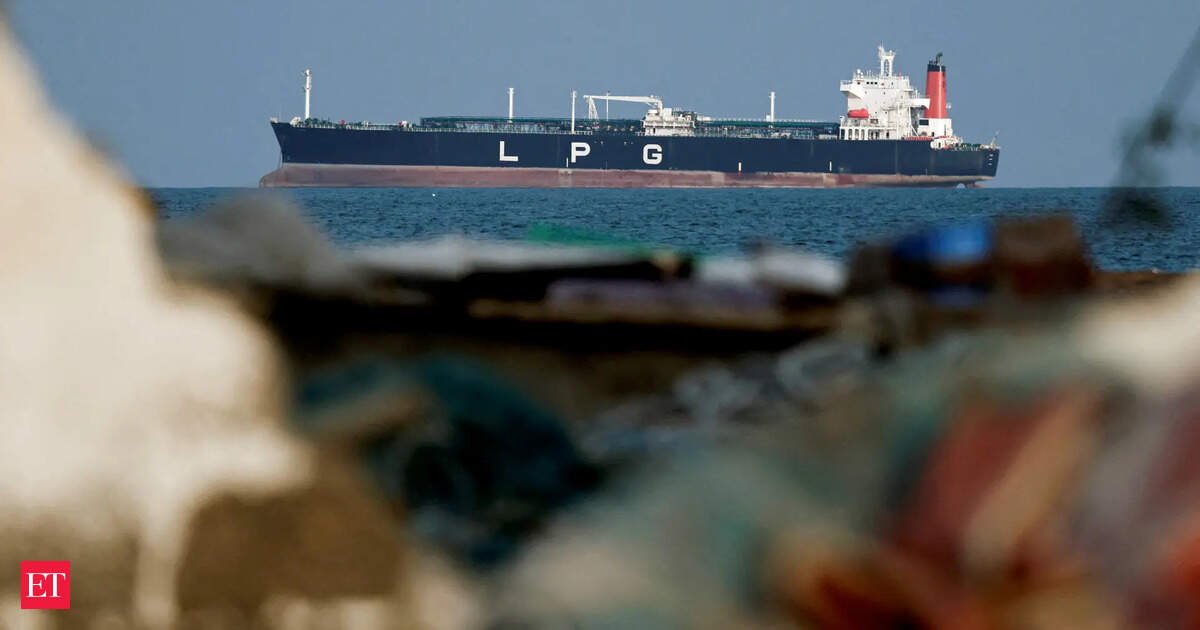
Shipowners are working through the news and trying to understand the details of the agreement — which may not be available for days — meaning there is little observed traffic in and around the corridor in the early hours of Monday.
Also read: Crude slips 4% as US, Iran reach peace deal to reopen Strait of Hormuz
The Disha, though, is testing the waters.
The LNG carrier, under a long-term charter with an Indian state-owned importer, is north of the United Arab Emirates and is nearing Oman, according to ship-tracking data compiled by Bloomberg. The tanker picked up a shipment from Qatar’s Ras Laffan facility around March 1, according to the data.

Hormuz — a vital waterway for global oil and gas — has been effectively closed since the start of US and Israeli strikes at the end of February. According to President Donald Trump, the strait will now reopen when an agreement is signed on Friday.
A deal that unblocks the strategic corridor and to end two competing blockades is welcome news for importers and for the wider market — but it will face multiple hurdles in practice, given the leverage provided to Tehran by its grip on the strait.
Clusters of vessels on either side of the strait will come into focus as a result, as traders and shipowners monitor groups at anchor off Dubai and in the Gulf of Oman, all of which can quickly decide to make the crossing and begin to move.
Also read: Nukes, crude sanctions & frozen assets: Inside the 14-point US-Iran peace agreementOne catch is that spoofing and other tactics, including a sharp increase in crossings with transponders switched off, can make it difficult to monitor the situation in real time. Even among the visible flotillas, some ships have not signaled their location for days or weeks.
European natural gas prices fell as much as 5.8% in early Asian trading on Monday. Resuming LNG traffic through Hormuz would help ease a supply crunch that had kept gas prices in Europe and Asia elevated since March. Oil prices also slumped at the open, with Brent down more than 4%.