

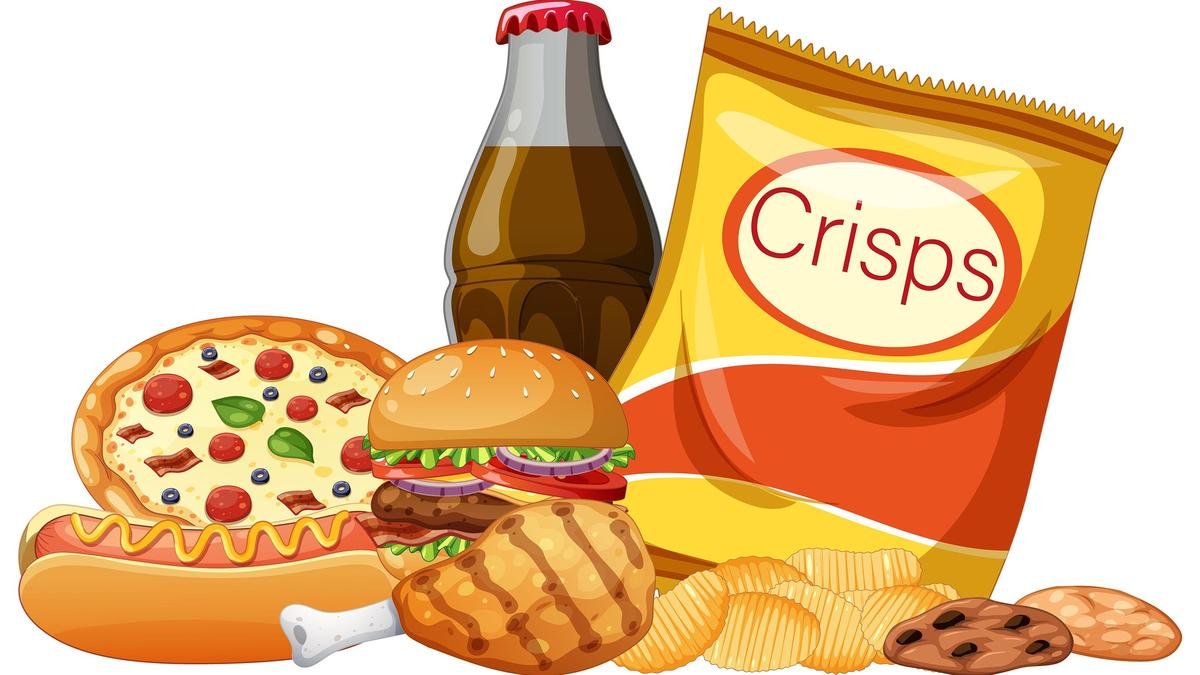
What is it about ultra-processed food that drives bad health? These forms of foods, including packaged snacks, sugary cereals, instant foods, soft drinks and ready-to-eat meals have been held to be one of the causes of the obesity epidemic in India and around the world. But is it the processing of these foods that is to blame or are there other factors? And how can understanding this help us eat better?
A new analysis published in Science attempts to answer some of these questions.
The analysis, conducted by researchers Faidon Magkos, Ciarán G. Forde, and Eric Robinson draws on the best scientific evidence regarding the relationship between ultra-processed foods (UPFs) and obesity. Their conclusion may be surprising: the harmful effects often attributed to ultra-processed foods may not arise from the processing itself, but from characteristics such as high-calorie density, low-fibre content, soft texture, and excessive fat or salt. In other words, it may not be the factory that is making us fat—it may be the recipe.

Understanding UPFs
Ultra-processed foods have gained enormous attention over the past decade. According to the NOVA food classification system, UPFs are industrial formulations made largely from substances extracted from foods, chemically modified ingredients, and additives designed to enhance flavour, texture, colour, or shelf life. Examples include soft drinks, packaged chips, instant noodles, sugary breakfast cereals, processed meats, and many ready-to-eat meals.
Several large observational studies have linked high consumption of these foods with obesity, diabetes, heart disease, and even premature death. As a result, many experts began to argue that industrial processing itself was creating foods that damaged human health. However, observational studies only show associations; they cannot prove cause and effect. People who consume large amounts of ultra-processed foods may also differ in many other ways, including lifestyle, income, physical activity, and overall diet quality. To establish causation, scientists turn to randomised controlled trials—the gold standard of medical research.

Reviewing the evidence
The researchers reviewed five randomised controlled trials conducted in the United States, United Kingdom, Denmark, and Japan. These studies compared diets rich in ultra-processed foods with diets based on minimally- processed foods. Unlike many nutrition studies, participants were actually provided with meals, allowing researchers to control exactly what they ate. At first glance, the outcomes seemed to validate the argument against UPFs. In some studies, those who ate ultra-processed diets ate more calories and gained more weight. But when the researchers examined the details, a different picture emerged.
The ultra-processed diets differed from the comparison diets in many important ways beyond processing. They were often softer, easier to eat quickly, higher in calorie density, lower in fibre, and sometimes higher in saturated fat and sodium. These factors are already known to influence appetite, energy intake, and body weight.

The role of food texture
One of the most fascinating findings concerns something we rarely think about: how fast we eat. Many ultra-processed foods are soft and need little chewing. Consider white bread, snack foods, desserts, or convenience foods. Such foods can be consumed rapidly.
Research has consistently shown that people eat more when they eat faster. The body needs time to register fullness. When calories are consumed rapidly, the brain might not receive satiety signals, so the individual is likely to continue eating.
The researchers pointed out that the ultra-processed diets used in several studies were softer than minimally processed alternatives. This probably accelerated the rate at which people ate and the amount of food they consumed. This effect isn’t exclusive to processed foods, though. Even unprocessed very soft or easily eaten foods are culprits when it comes to overeating. So, weight gain could simply be due to texture and not processing.

Calorie content
Another important factor is calorie density, which is calories per gram of food. High calorie-dense foods are those that contain a lot of energy in a small amount of food. This leads to consuming a large number of calories without getting full. Various studies reveal that, in general, ultra-processed diets have significantly higher calorie content than comparison diets.
Earlier studies have found that even a small increase in calorie density can lead to hundreds of additional calories consumed each day, resulting in significant weight gain over time. According to the researchers, the differences in calorie density between the diets were large enough to explain most, if not all, of the differences in energy intake and body weight observed in the trials.

The missing ingredient
Fibre emerged as another key player. Minimally-processed diets tend to be higher in whole grains, fruits and vegetables, and legumes. They provide good levels of dietary fibre, which delay the absorption of energy, makes you feel full and slows down the digestion of food. One study found that a non-UPF diet had almost four times as much fibre as a UPF diet. This considerable variation can have a significant impact on energy balance and body weight.
In another trial in which the researchers matched UPF and non-UPF diets for fibre and sodium content, the participants needed almost the same amount of energy to maintain their weight. This indicates that the nutritional composition may matter more than the processing itself.

Cardiometabolic health
The study also examined evidence related to cardiometabolic health. Some earlier studies have reported higher cholesterol levels among participants consuming UPF-rich diets. However, these diets also contained substantially more saturated fat. When saturated fat levels were matched between diets, the differences in cholesterol largely disappeared.
Similarly, markers such as blood glucose, insulin levels, insulin resistance, triglycerides, and blood pressure did not consistently worsen on UPF-rich diets. This does not mean ultra-processed foods are harmless.
Healthy vs. unhealthy UPFs
Perhaps the most important message from the research is that ultra-processed foods are not a uniform group. The UPF category includes everything from sugary sodas and confectionery to fortified breakfast cereals, high-protein yoghurts, whole-grain breads, and plant-based meat alternatives. Some of these products are clearly unhealthy. Others may contribute positively to nutrition. Lumping them together under a single label can create confusion.
The authors argue that the simple label “ultra-processed food” might lead to a misleading interpretation of reality. Processing itself is not bad. After all, pasteurisation, fermentation, freezing, canning and fortification have made significant contributions to food safety and food nutrition throughout history. The real challenge lies in identifying which characteristics of modern foods promote overconsumption and poor health.
Rethinking nutrition policy
The findings arrive at an important time. Governments around the world are considering policies aimed at reducing consumption of ultra-processed foods. The authors caution that focusing exclusively on processing may distract from factors long known to influence health. Instead of simply asking whether a food is processed, consumers and policymakers should consider questions such as:
-
How many calories does it contain?
-
Is it rich in fibre?
-
Does it contain excessive saturated fat, sugar, or salt?
-
Does its texture encourage rapid eating?
-
Does it provide meaningful nutrition?
These questions may offer more practical guidance than the processing label alone.

The takeaway
The new analysis does not give ultra-processed foods a clean chit on health. There are still quite a few UPFs that are unhealthy and nutritionally lacking and contribute to unhealthy eating patterns. The study, however, contradicts the notion that industrial processing is the leading cause of obesity. The evidence, points to a more complicated picture. People are not eating more because of factory-produced food, but because these foods are high in calories, excessively sweet or salty, very palatable, and easy to eat quickly. It is these factors you must keep in mind the next time you reach for a bag of snacks.
(Dr.Biju Dharmapalan is the dean – academic affairs, Garden City University, Bengaluru and an adjunct faculty at the National Institute of Advanced Studies, Bangalore. bijudharmapalan@gmail.com )