

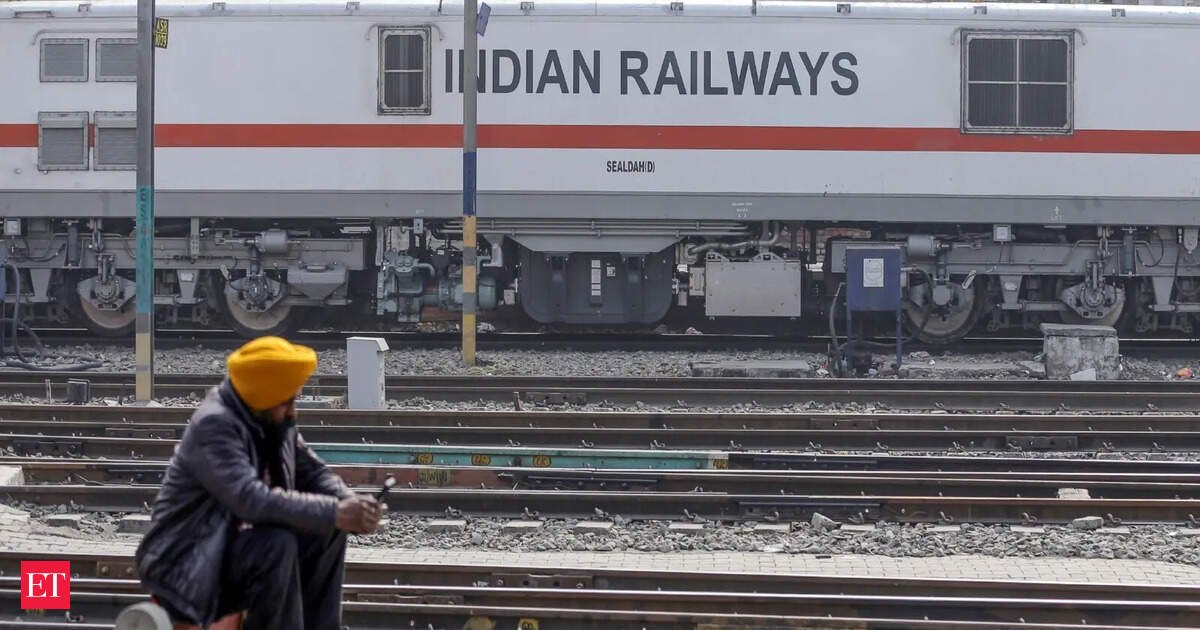
The national railway ticketing and catering company has switched to cooking inside Linke Hofmann Busch (LHB) pantry cars on electricity and deployed induction stoves at major stations to keep food services running across 1,400 trains serving 1.7 million meals every day. Most of the country’s premium trains such as Rajdhani, Shatabdi, Duronto and Vande Bharat run on LHB coaches. “We have allowed our vendors to cook on the pantry cars, which already have safety facilities. So, all our LHB pantry cars now can produce meals in a running train that is run on electricity,” said IRCTC chairman and managing director Sanjay Kumar Jain. “Secondly, at very big places, we have used electricity as a mode of induction cooking. Also, we have tied up with IOCL, BPCL and HPCL to give us priority as per the government directives.”
Railway authorities say around 1,000 commercial LPG cylinders are required daily to support all cluster kitchens, base kitchens and related catering arrangements across the country. IRCTC had instructed operators of food plazas, refreshment rooms and Jan Ahaar outlets at stations to shift to induction cookers and microwaves, with around 60% of railway kitchen food preparation eventually moving to electric cooking. The disruption has hit IRCTC’s books hard. The catering segment’s earnings before interest and taxes margin for the fourth quarter of 2025-26 fell to 6.3% from 10.4%, hurt by higher input costs. Analysts flagged a deeper concern. “The last catering price revision was in 2019. With gas prices up and licensees squeezed on input costs, IRCTC needs either a tariff hike or sustained volume growth to defend margins,” a Mumbai-based analyst tracking the stock said on condition of anonymity.
Jain declined to comment on the possibility of a price revision, saying catering tariffs are decided by the railways ministry.

The supply squeeze followed disruptions to energy shipments through the Strait of Hormuz, the key shipping route for oil and gas exports from West Asia, ever since the US-Israel war against Iran broke out on February 28. The ongoing crisis has also exposed a long-standing gap in railway catering infrastructure, with parliamentary data revealing that 341 trains across the country still have no pantry service facilities at all.
 ET Bureau
Induction stoves to be used in pantry cars