

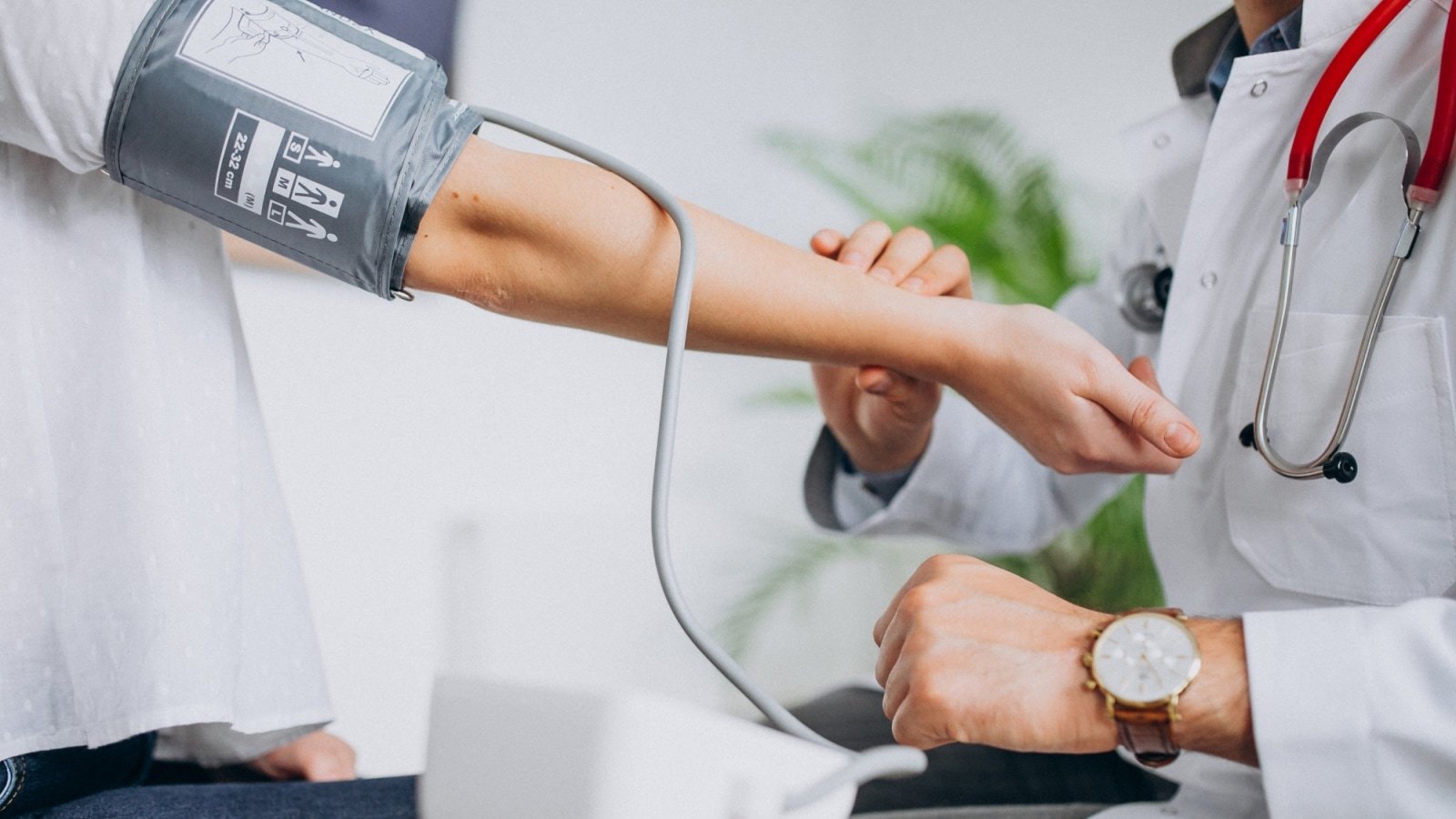
The World Health Organization (WHO) recently shared a checklist of dos and don’ts for accurate blood pressure measurement, highlighting how everyday habits and body posture can significantly influence readings.
In a post on Instagram, the global health body said, “Getting your blood pressure measured the right way helps ensure accurate results. Incorrect positions can lead to incorrect readings.”

The WHO advised:
- Sit with your back supported
- Keep legs uncrossed and feet flat on the floor
- Support the arm with the cuff at heart level
- Use the correct cuff size
- Rest for at least five minutes before the reading
- Avoid talking during or between measurements
- Avoid exercise, tea/coffee, and smoking for at least 30 minutes beforehand
DISCLAIMER: This article is based on information from the public domain and/or the experts we spoke to. Always consult your health practitioner before starting any routine.
But, how relevant are these simple instructions? According to Dr Parin Sangoi, Consultant – Interventional Cardiologist, Wockhardt Hospitals, Mumbai Central, uncontrolled or undiagnosed hypertension can quietly damage multiple organs before symptoms appear.
“High blood pressure earns the label ‘silent killer’ because most people do not feel symptoms until significant damage has already occurred,” he explained. “If patients rely on inaccurate readings or skip regular monitoring, hypertension can quietly affect the heart, brain, kidneys, eyes, and blood vessels for years.” He said many patients discover hypertension only after suffering serious complications such as a heart attack, stroke, or kidney disease.
“The danger is not just a high number on the machine — it is the long-term strain uncontrolled BP places on vital organs,” he said. “Correct and regular monitoring is one of the simplest ways to prevent serious complications.”
How caffeine causes a spike in blood sugar
Dr Sangoi elaborated, “Caffeine can trigger the release of stress hormones such as adrenaline, which signals the liver to release more glucose into the bloodstream. In some people, especially those with insulin resistance or diabetes, this can lead to a temporary rise in blood sugar levels.”
Why posture and small habits matter during BP tests
According to Dr Sangoi, common mistakes such as crossing the legs, talking during the test, sitting without back support, or using the wrong cuff size can significantly alter readings. “These small errors are more important than most people realise,” he noted.
Story continues below this ad
“In some cases, that difference may incorrectly classify a person as hypertensive — or falsely reassure someone whose BP is actually high.” Since treatment decisions are often based on BP readings, he stressed that proper measurement technique should never be taken casually. “Even posture and body position can influence the result,” Dr Sangoi added.
Why rushed readings can create false alarms
Blood pressure naturally rises with physical activity, stress, caffeine, nicotine, and even anxiety,” Dr Sangoi explained. Someone who has just climbed stairs or had tea or coffee shortly before testing may show a temporary spike that does not reflect their actual resting blood pressure.
“This is why we advise patients to sit quietly for at least five minutes before the reading and avoid caffeine, smoking, or exercise for about 30 minutes beforehand,” he said.
“A single rushed reading can create unnecessary panic or confusion, so context is very important while interpreting BP numbers.” Though routine BP screening should become a normal preventive health habit, even in people in their 20s and 30s, Dr Sangoi said.
Story continues below this ad
“The biggest concern is that many young people feel perfectly fine and assume they are healthy. By the time symptoms appear, organ damage may already have started.”
DISCLAIMER: This article is based on information from the public domain and/or the experts we spoke to. Always consult your health practitioner before starting any routine.