

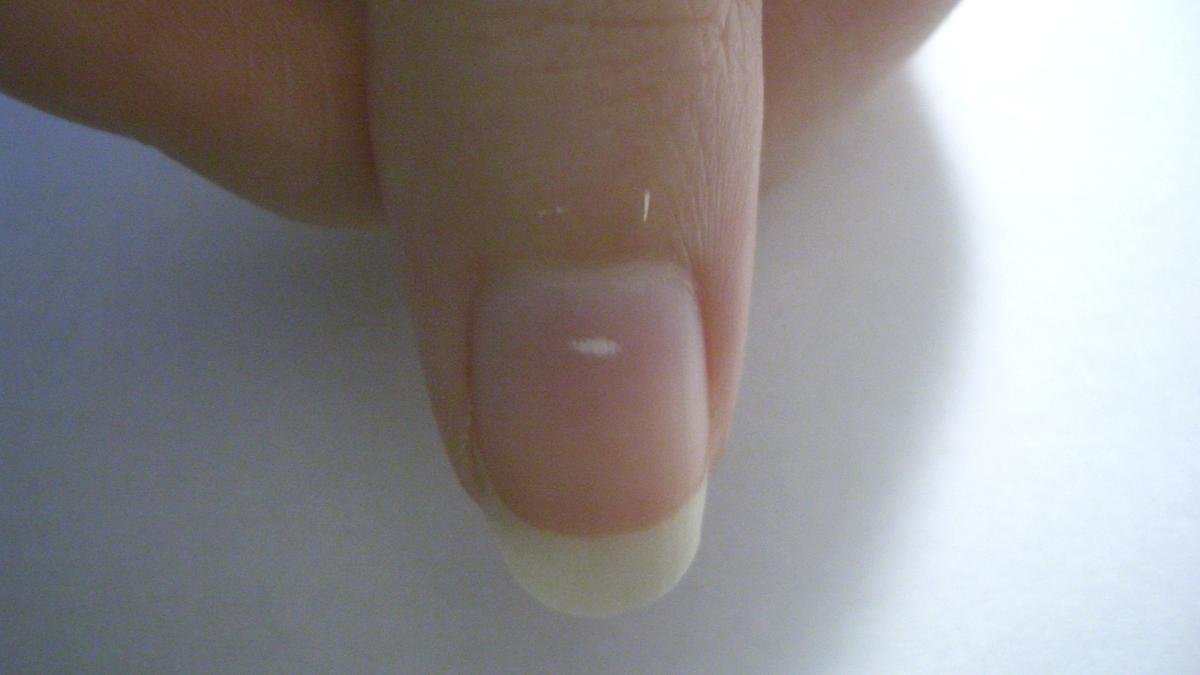
A small white spot on the nail is often dismissed as insignificant or wrongly attributed to calcium deficiency. Dermatologists, however, say nails can sometimes function as subtle indicators of internal health, reflecting nutritional status, chronic disease and even systemic inflammation.
The broad medical term for white nail changes is leukonychia, which may appear as tiny white spots, horizontal bands, diffuse whitening or paired streaks. While many of these changes are harmless and related to minor trauma, experts say that persistent or widespread nail abnormalities should not be ignored.
“Nails are essentially a slow health diary,” said Pushpa Gnanaraj, senior consultant in Dermatology, Apollo Speciality Hospitals. “Unlike skin changes, which may appear quickly, nail abnormalities often develop gradually over weeks or months because nails grow slowly,” she said.

Trauma driven marks
The most common form of leukonychia is leukonychia punctata, tiny white dots or flecks usually caused by minor injury to the nail matrix, the area from which the nail grows. Such trauma may result from nail biting, repeated pressure, sports injuries, aggressive manicures or forceful pushing of cuticles.
“These spots generally move outward as the nail grows and disappear over time,” said Dr. Gnanaraj. “A single white spot that grows out with the nail is almost always trivial.”
Doctors say this remains one of the most common myths encountered in clinical practice, with many patients assuming white nail spots indicate calcium deficiency. In reality, nutritional deficiencies rarely present as isolated punctate white spots.
Other forms of nail whitening are considered more clinically significant. Mees lines are transverse white bands extending across the width of the nail and have historically been associated with arsenic poisoning, though they may also occur after severe infections, chemotherapy or systemic illness.
Muehrcke lines, in contrast, appear as paired white horizontal bands that do not move as the nail grows because the abnormality lies in the nail bed rather than the nail plate itself. These are commonly associated with low protein levels, especially hypoalbuminemia.
K.R. Sharmatha, senior consultant in Dermatology, SIMS Hospital, said persistent changes affecting multiple nails require closer assessment. “Trauma tends to produce isolated, asymmetric changes. Systemic disease usually affects nails more uniformly,” she said.
Vertical white streaks may also occur with ageing and repeated trauma, while some individuals may develop complete whitening of the nail plate.
Nutrition linked changes
Experts say nails may also reflect nutritional imbalance, particularly deficiencies involving iron, zinc and protein. One of the classic examples is koilonychia, or spoon-shaped nails, where the nail curves inward with raised edges. This condition is strongly linked to iron deficiency anaemia, which remains highly prevalent in India.
Dermatologists also point to brittle, soft and lustreless nails in individuals with protein-energy malnutrition, including those following highly restrictive crash diets. G. Sukanya, Consultant Dermatologist at Rela Hospital, said nutritional deficiencies alone cannot be diagnosed based solely on nail findings. “Nails provide supportive evidence, but they are not diagnostic by themselves. Clinical examination, dietary history and laboratory investigations remain important,” she said.
Zinc deficiency may contribute to white discolouration and nail fragility, while prolonged protein deficiency can lead to transverse white bands associated with low albumin levels.

Chronic disease signals
Certain nail patterns have long been associated with chronic liver, kidney, metabolic and cardiovascular disorders. One of the best recognised examples is Terry’s nails, where most of the nail appears white with only a narrow pink or brown band near the tip. This pattern is classically associated with liver cirrhosis but may also be seen in diabetes, congestive heart failure and ageing.
Another characteristic finding is Lindsay’s nails, or half-and-half nails, where the proximal half of the nail appears white while the distal portion turns reddish-brown. This pattern is strongly associated with chronic kidney disease.
Dermatologists also note that uncontrolled diabetes can predispose patients to recurrent fungal nail infections, paronychia and nail discolouration. Some connective tissue disorders may first present with nail fold abnormalities before other systemic manifestations become obvious.“Sometimes patients walk into the dermatology clinic with nail changes that become the first clue to an underlying systemic disease,” said Dr. Sukanya.
Blue discoloration of the lunula, the crescent-shaped area at the nail base may rarely be seen in Wilson’s disease, a disorder of copper metabolism.
Clubbing, where the fingertips enlarge and nails curve downward, may indicate chronic lung disease, heart disease or gastrointestinal disorders.

Warning signs to look for
Dermatologists say most isolated nail changes can initially be observed over six to eight weeks to see whether they grow out naturally with the nail plate. However, medical evaluation becomes important if changes persist, recur repeatedly, affect several nails simultaneously or fail to move with nail growth. Associated symptoms such as fatigue, swelling, unexplained weight loss, breathlessness or persistent infections should also prompt consultation.
“Nails are small structures, but they are highly communicative,” said Dr. Gnanaraj. “Very often, they provide clues that help us identify whether the problem is confined to the nail itself or reflects something happening elsewhere in the body.”
Experts advise consulting a dermatologist rather than attempting self-treatment, especially when unusual nail changes are persistent or progressive.
Published – May 24, 2026 07:18 pm IST