

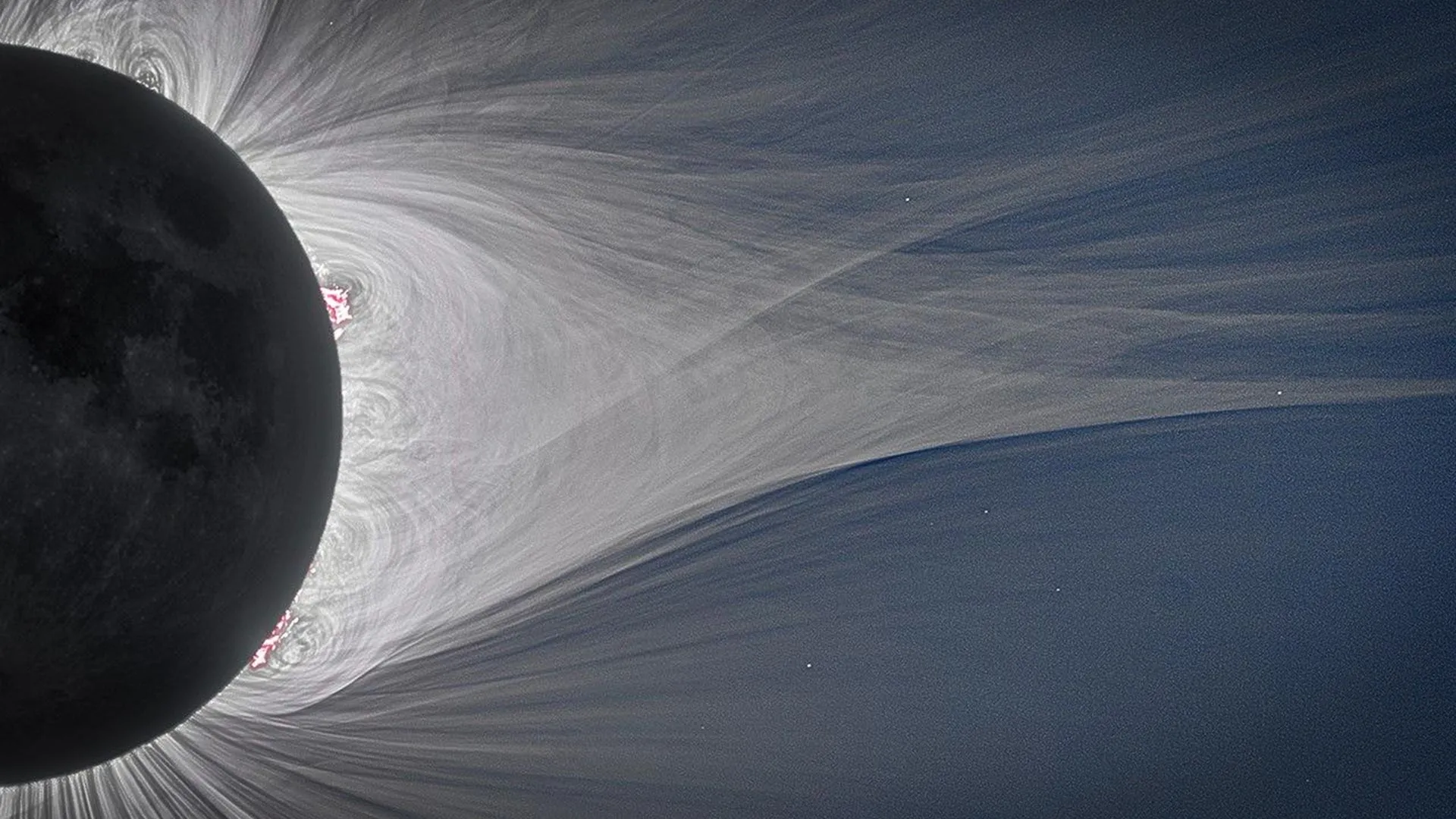
When NASA scientists first picked up a radio burst coming from the Sun in August 2025, the signal initially appeared routine. Solar radio bursts are fairly common and usually fade within hours or, in some cases, a few days.
This event turned out to be anything but ordinary.
Instead of disappearing, the radio burst continued for an astonishing 19 days, setting a new record for this type of solar activity. The previous longest known event lasted only five days, making the newly observed burst far more persistent than scientists expected.
Strange Solar Radio Signal Breaks Previous Records
The event belonged to a category known as Type IV radio bursts. These bursts are produced by groups of energetic electrons trapped within the Sun’s powerful magnetic fields. Although the radio waves themselves do not pose a danger to Earth, the same magnetic conditions can also trigger solar eruptions capable of sending harmful particles into space.
Those particles can interfere with satellites, spacecraft, and other space based technologies near Earth, making these solar events important for scientists who study space weather.
To better understand the unusual burst, researchers combined observations from several spacecraft positioned throughout the inner solar system. The missions included NASA’s STEREO (Solar Terrestrial Relations Observatory), Parker Solar Probe, and Wind spacecraft, along with ESA (the European Space Agency) and NASA’s Solar Orbiter mission.
Multiple Spacecraft Followed the Solar Burst
Because the Sun rotates, different spacecraft were able to observe the radio burst as it moved into their field of view over the course of the 19 day event. Each mission captured several days of data, allowing scientists to piece together a more complete picture of the prolonged solar activity.
Using information from the STEREO mission, the research team also created a new technique to identify the source of the burst. Their analysis traced the signal back to a massive magnetic structure in the Sun’s atmosphere known as a helmet streamer.
Scientists believe the long lasting burst may have been sustained by three coronal mass ejections that erupted from the same region of the Sun. These enormous explosions release clouds of charged particles and magnetic energy into space.
Improving Space Weather Forecasting
The findings were published in the journal Astrophysical Journal Letters and could help researchers better recognize long duration solar radio bursts in the future.
By improving scientists’ understanding of these unusual solar events, the research may also strengthen space weather forecasting, helping protect satellites and spacecraft from dangerous solar activity.