

4 min readNew DelhiMay 23, 2026 09:30 AM IST
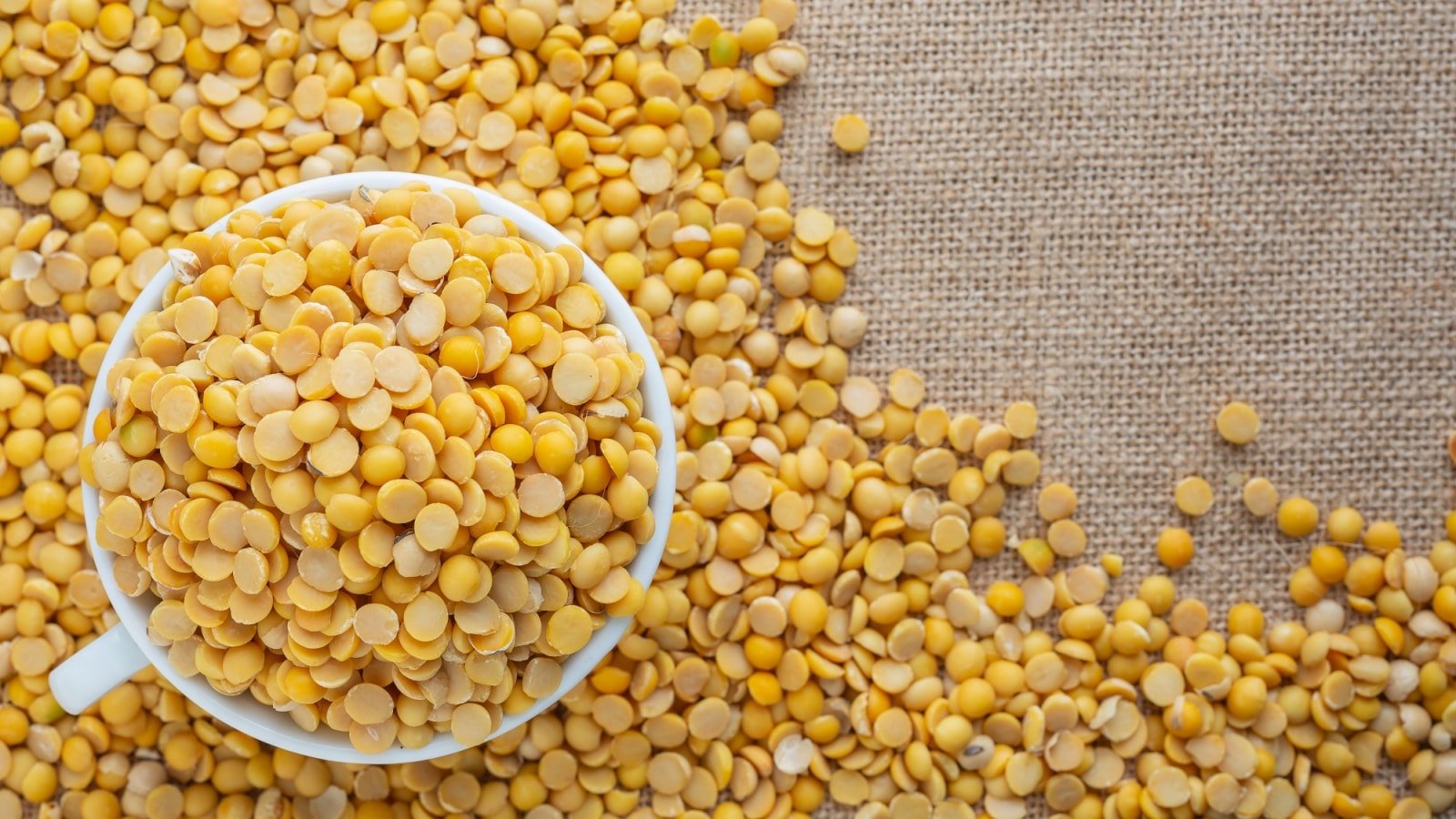
Ayurvedic expert Subhash Goyal recently spoke about the health benefits of moong dal on a podcast, describing it as one of the most complete foods for the body and gut.
Sharing his thoughts, Goyal said, “Duniya mei agar koi super food hai, woh hai peeli daal. Moong daal. Koi aisa mineral, vitamin pending nahi hai jo isme nahi hai… sabse easy banti bhi hai, desi ghee daalo isme…aapki body ko tandurust rakhne ke liye sabse bada superfood hai. muscle strong rehete hein, aur sabse badi baat hai ki woh aapki nadiyon ka poshan karti hai…aapke pachantantra se..”

While terms like quinoa, chia seeds, and kale often dominate modern wellness conversations, nutrition experts say moong dal has quietly remained one of the most balanced and gut-friendly foods for generations.
DISCLAIMER: This article is based on information from the public domain and/or the experts we spoke to. Always consult your health practitioner before starting any routine.
According to Dt Ginni Kalra, Aakash Healthcare, moong dal absolutely deserves recognition as a traditional Indian superfood.
“It is nutrient-dense owing to its presence of plant protein, fibre, antioxidants, potassium, and essential micronutrients,” says Dt Kalra. “It is also inexpensive, culturally relevant, and has been consumed consistently for generations.”
She explains that the value of a food should not be determined by its expense or trendiness, but by how balanced, accessible, and sustainable it remains over time.
Story continues below this ad
Why moong dal is considered easy on the gut
“Moong dal is considered gentler on digestion partly because it contains lower amounts of complex carbohydrates that can produce gas and bloating,” Dt Kalra explains. “It also becomes even easier to digest when soaked overnight and cooked properly.”
Because of this, moong dal is frequently advised for people recovering from illness or digestive discomfort. “Both Ayurveda and modern nutrition suggest moong dal because it nourishes the body without significantly burdening the digestive system,” she says.
Stuti Ashok Gupta, Co-Founder of Amrutam, adds that Ayurveda has valued moong dal for centuries not only for its nutritional value but also for how efficiently the body can absorb it.
“In Ayurveda, health is not only about what looks good on a nutrition chart,” Gupta says. “A truly nourishing food is one your body can actually process, assimilate, and benefit from.”
Story continues below this ad
She explains that moong dal provides protein, fibre, warmth, and nourishment “without overwhelming digestion,” making it especially suited to the Indian body, climate, and lifestyle.
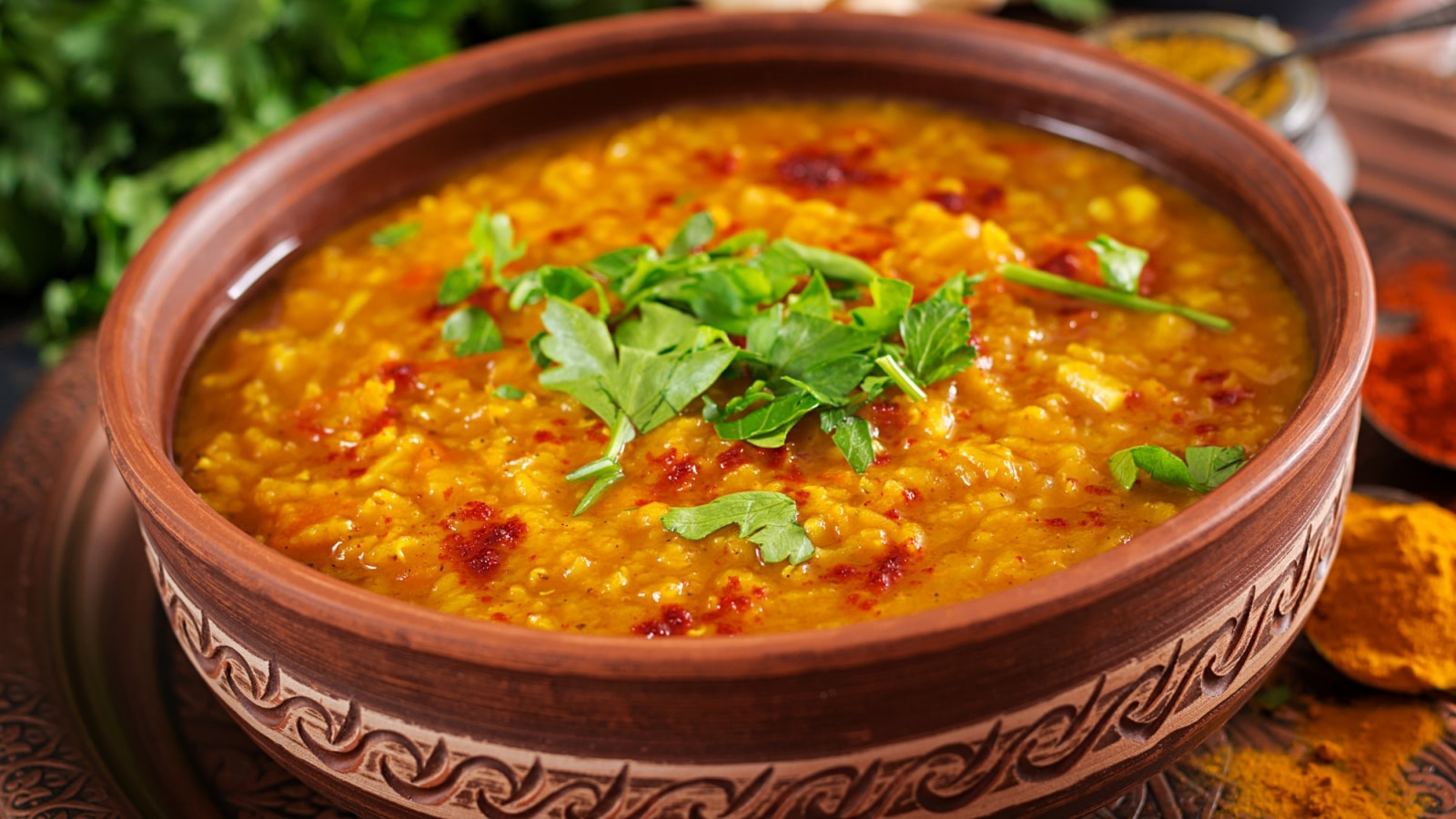 Moong Dal (Photo: Magnific)
What modern science says about its benefits
Dt Kalra explains that moong dal contains plant-based protein that supports muscle maintenance, soluble fibre that helps digestion and blood sugar balance, and antioxidants that may help reduce inflammation.
“It is nutrient-dense without containing excessive fat or empty calories,” she says. “While moong dal should not be viewed as a miracle food, regular consumption as part of a balanced diet can certainly contribute positively to overall health.”
A return to traditional eating
As more people move toward sustainable and gut-friendly eating habits, nutritionists believe traditional Indian staples are finally receiving the recognition they deserve. “There is something beautiful about recognising the value of foods that have quietly existed in our kitchens for centuries,” says Gupta. “Sometimes the most powerful foods are not exotic. They are the ones our grandmothers kept returning to.”
Story continues below this ad
DISCLAIMER: This article is based on information from the public domain and/or the experts we spoke to. Always consult your health practitioner before starting any routine.