

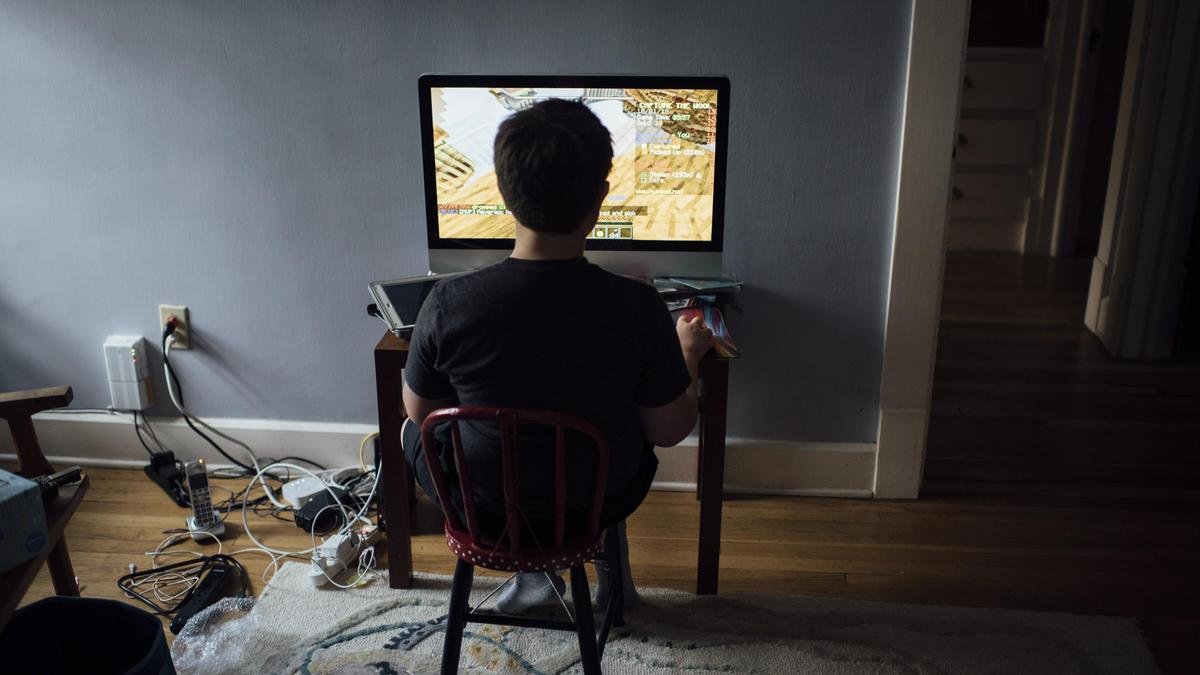
Autism spectrum disorder (ASD) is increasingly being discussed on social media, often alongside claims linking excessive screen time to autism in children. However, neurologists and developmental experts say the science is far more complex.
According to the World Health Organization, around one in 100 children globally is estimated to have been living with autism. Experts say rising prevalence is likely linked to a combination of increased awareness, better diagnosis, genetic influences and environmental factors, not a single cause.
Sheffali Gulati, paediatric neurologist and professor at the All India Institute of Medical Sciences (AIIMS), said autism cannot be reduced to one trigger alone .“Autism is still an enigma. There are strong genetic influences, environmental factors and epigenetic mechanisms all interacting together,” she said.
Multiple causes
Experts say autism begins very early in brain development and has a strong hereditary basis. Dr. Gulati noted that studies show concordance rates of 60% to 90% in identical twins, indicating a major genetic contribution. Autism is also associated with several genetic conditions including Fragile X syndrome, Down syndrome, tuberous sclerosis and neurofibromatosis.
She added that environmental associations being studied include air pollution, pesticide exposure, parental age and certain medications taken during pregnancy. “Screen time is being studied as one environmental factor among many. It should not be sensationalised as the sole cause,” she said.
Chakkera Priyanka, consultant neurologist, Kauvery Hospital, said current scientific evidence does not support the claim that screens directly cause autism. “What studies have shown is association, not causation,” she said. “Children who already have early traits of autism may naturally prefer screens because they are repetitive, predictable and less socially demanding.”
She explained that parents of children with developmental concerns may also rely more on screens for calming or regulation, creating what researchers call “reverse causality,” where increased screen use may actually be a consequence rather than the cause of developmental differences.

Screen effects differ
Abhinayaa J., consultant in Developmental Paediatrics at Apollo Children’s Hospitals, say excessive screen exposure can still affect children’s development, especially during the first few years of life when the brain undergoes rapid growth. “The first thousand days of life are extremely important for brain development,” Dr. Gulati said. “This is when neural networks are forming and synapses are being strengthened and pruned.”
She explained that excessive passive screen exposure may affect attention pathways, sleep regulation, stress hormones and social interaction opportunities. Studies have also linked high screen exposure to speech delays, anxiety, ADHD-like symptoms and sleep disturbances.
Recent research has shown children living with autism began using screens earlier than neurotypical children, with significantly higher problematic media-use scores. Sleep disturbances and lower physical activity levels were also more common among autistic children studied.
However, experts stress that these behavioural effects are different from autism itself. Dr. Priyanka said autism is defined by persistent differences in social communication, behaviour and sensory processing that appear across settings and over time.
“A child with excessive screen exposure may show reduced conversational practice, poor attention or language delay, but they may not have the core social communication profile characteristic of autism,” she said.
Doctors explained that screen-related developmental concerns often improve with reduced screen exposure, increased social interaction and better sleep routines. Autism, on the other hand, is a lifelong neurodevelopmental condition requiring structured support and intervention.
Riaz Ahamed Syed, senior consultant, Paediatric Neurologist and Epileptologist at MGM Healthcare-Malar, said excessive screen exposure may worsen sleep, attention and social interaction. He added that sleep disturbances already affect nearly 50% to 80% of children living with autism, making healthy screen habits particularly important.

Myths delays diagnosis
Experts say misinformation around autism often increases parental guilt and delays early intervention. Dr. Priyanka said many parents incorrectly blame themselves after hearing misleading claims online about vaccines, parenting style or screen use.
“This creates confusion between correlation and causation and can delay proper developmental assessment,” she said. Doctors emphasised that parents should instead focus on recognising early developmental signs such as poor eye contact, lack of response to name, delayed speech, reduced social interaction, repetitive behaviours or sensory sensitivities.
Dr. Abhinayaa said autism screening should ideally happen during routine paediatric visits at 18 and 24 months.“Many parents notice concerns before two years of age, but diagnosis gets delayed because of the wait-and-watch approach,” she said.
Experts also cautioned parents against extreme reactions such as suddenly eliminating all screen exposure overnight. They said screen habits should instead be reduced gradually while increasing human interaction, play and communication, especially at a time when technology is increasingly being integrated into healthcare, education and developmental therapies for children.
Published – May 22, 2026 08:23 am IST