

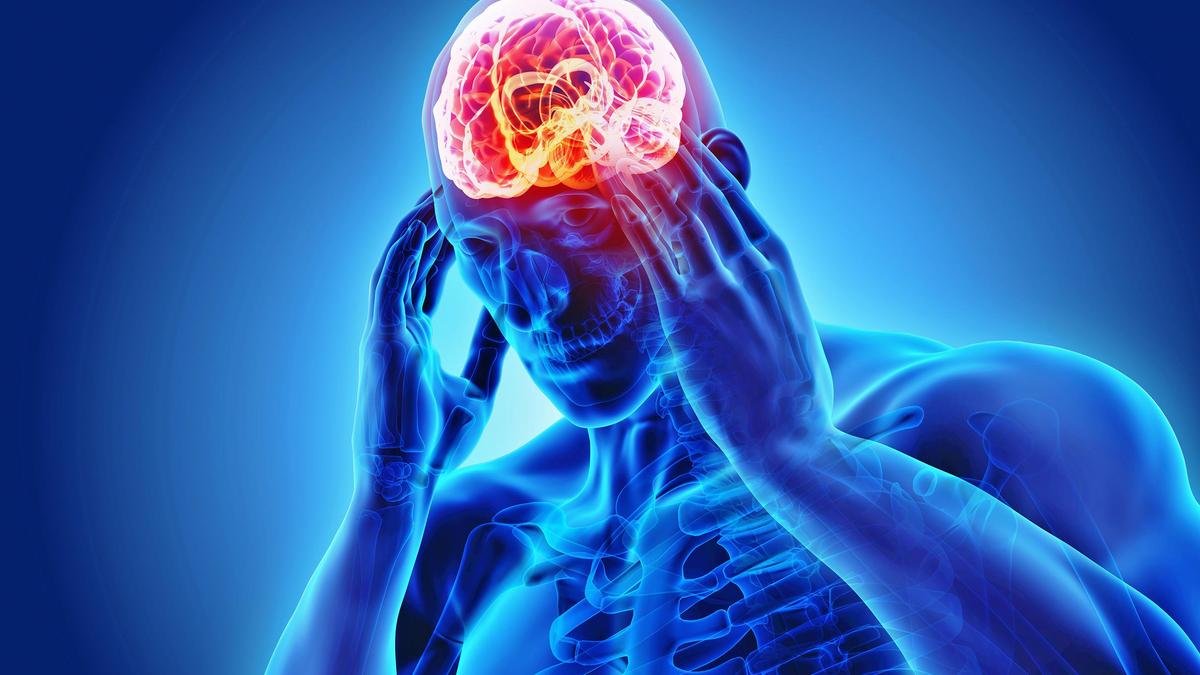
Migraine, commonly termed as a ‘half-headache’, refers to a one-sided pain in the head region. However, this description does not sufficiently depict what the condition actually involves. Migraines start with sporadic episodes that may not seem serious initially, but over time they may become more frequent and disruptive, leading to missed work, reduced productivity, and a decline in quality of life.
With around 1.2 billion people affected worldwide, migraine is now recognized as the second-leading cause of disability globally. In India, about 213 million people live with migraine, particularly adolescents and young adults. This means nearly one in six people affected globally is from India. As India continues to strengthen its healthcare systems and economic resilience, this is one area that needs more attention than it currently receives.

Understanding migraines
Migraine is not just a ‘normal’ headache. It is a neurological disorder characterised by recurrent episodes of throbbing pain, often accompanied by nausea and vomiting. Some people may also experience aura symptoms such as visual disturbances before the onset of pain.
During a migraine attack, even simple activities become difficult. It becomes hard to sit in front of a computer or engage in conversations without discomfort. An episode can last for hours or even days making life profoundly distressing. Migraines usually begin during childhood or adolescence and tend to peak between 20 and 40 years of age and becomes less frequent thereafter. It is important to note that this phase represents a formative stage of life, where education, career-building, personal growth, and social engagements take place.

The burdens
Migraines affect people at a period closely linked to education and career preparation. This makes it challenging for students preparing for competitive examinations, which require consistent daily effort. As per a study in Kerala, nearly 37.5% of college students were affected by migraines, and about 22% reported missing classes for several days, in some cases, even up to 20 days. In eastern India, a study has shown that around 14% of people are believed to be affected by migraines, with the burden highest among younger and working-age groups. Together, this shows that migraine is most common at a stage of life when people are studying and trying to build their future.
Migraine affects women approximately twice as often as men: nearly one in three women affected compared to around one in five men, and this pattern is consistently observed across studies in India. This gender difference becomes more noticeable after adolescence and could be due to hormonal changes during menstruation, pregnancy, and menopause. Despite this, symptoms are often not taken seriously and frequently dismissed as stress, delaying proper diagnosis and treatment.

Wider impacts
Migraines not only cause physical pain, but also place an immense psychological burden on affected people. This is likely due to episodes disrupting sustained attention, fragmenting focus on goals triggering stress, confusion, and anxiety in people. This, in turn, results in fluctuating productivity, particularly among students and women.
Moreover, the mental distress about the condition can, itself, act as a trigger for migraine, causing repeated attacks and worsening of the condition. Research indicates that people with migraine can lose around 17 days of productive time each year, and overall, headaches account for about 3 to 4% of total productive time lost. This may seem small at an individual level, but it becomes substantial when it affects millions of people across India. For a country with a large young population, this goes beyond a health concern. When disruptions happen during years of education and early career building, they can influence long-term outcomes. Over time, this begins to affect not only individual potential, but also the overall strength and productivity of the future workforce of the country.

Gaps in care
Access to migraine care remains uneven as specialist services are limited, and most patients rely on general doctors. Consequently, although common medications are available, they are not always effective, often leading to recurrent episodes. In addition to this migraine is also sometimes mistaken for a sinus or general headache, and even when diagnosed correctly, treatment may not be optimised leading to repeated episodes. Furthermore, newer treatment options exist, but access remains limited for many.

What needs to change
Treating migraine as a trivial condition can result in serious physical and psychological consequences. Many patients lack awareness, and depend on general doctors or often on self-medication, which delays proper diagnosis.
Government-backed helplines and tele-counselling offer a practical way forward. These can be integrated into existing national health services or developed as a dedicated neurology helpline. Through this, a trained counsellor over a phone call can guide patients on symptom recognition, when to seek specialist care and how to manage triggers without requiring a hospital visit. This is especially useful for students in smaller towns and rural areas where specialist access is limited.
However, in the absence of a clear national data it is difficult to understand how prevalent migraine is or how deeply it affects daily life, making research in this area an urgent necessity. Effective management depends on both individual efforts and strong support from the healthcare system. This involves lifestyle and treatment adherence at the individual level, alongside accurate diagnosis, trained professionals, access to specialists, effective therapies, and increased awareness at the system level.
India has successfully addressed several large public health challenges in the past. Although the impact of migraine is widespread, it still remains underestimated. Recognising it early and responding in a structured way can improve quality of life for millions and help young people to perform at their highest capacity in academic and professional spheres without avoidable setbacks during critical years.
(Dr. Murugesan Arumugam is an assistant professor in pharmacology at Sri Ramachandra Institute of Higher Education and Research. murugesan.a@sriramachandra.edu.in)
Published – June 21, 2026 07:08 pm IST