

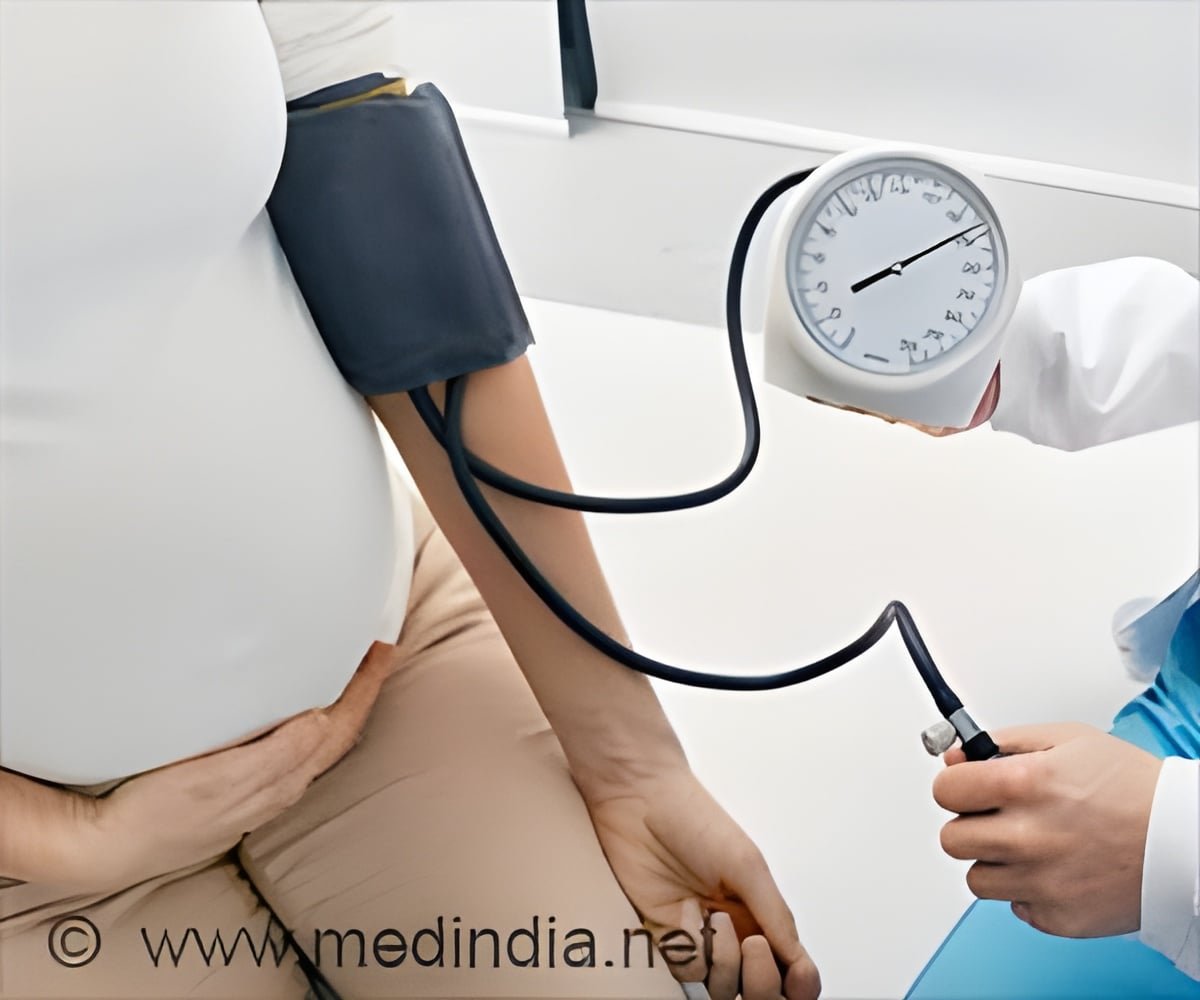
A global preclinical review has identified 11 high-potential candidates for preventing or treating preeclampsia and eclampsia, while highlighting the need for stronger safety and efficacy evidence.
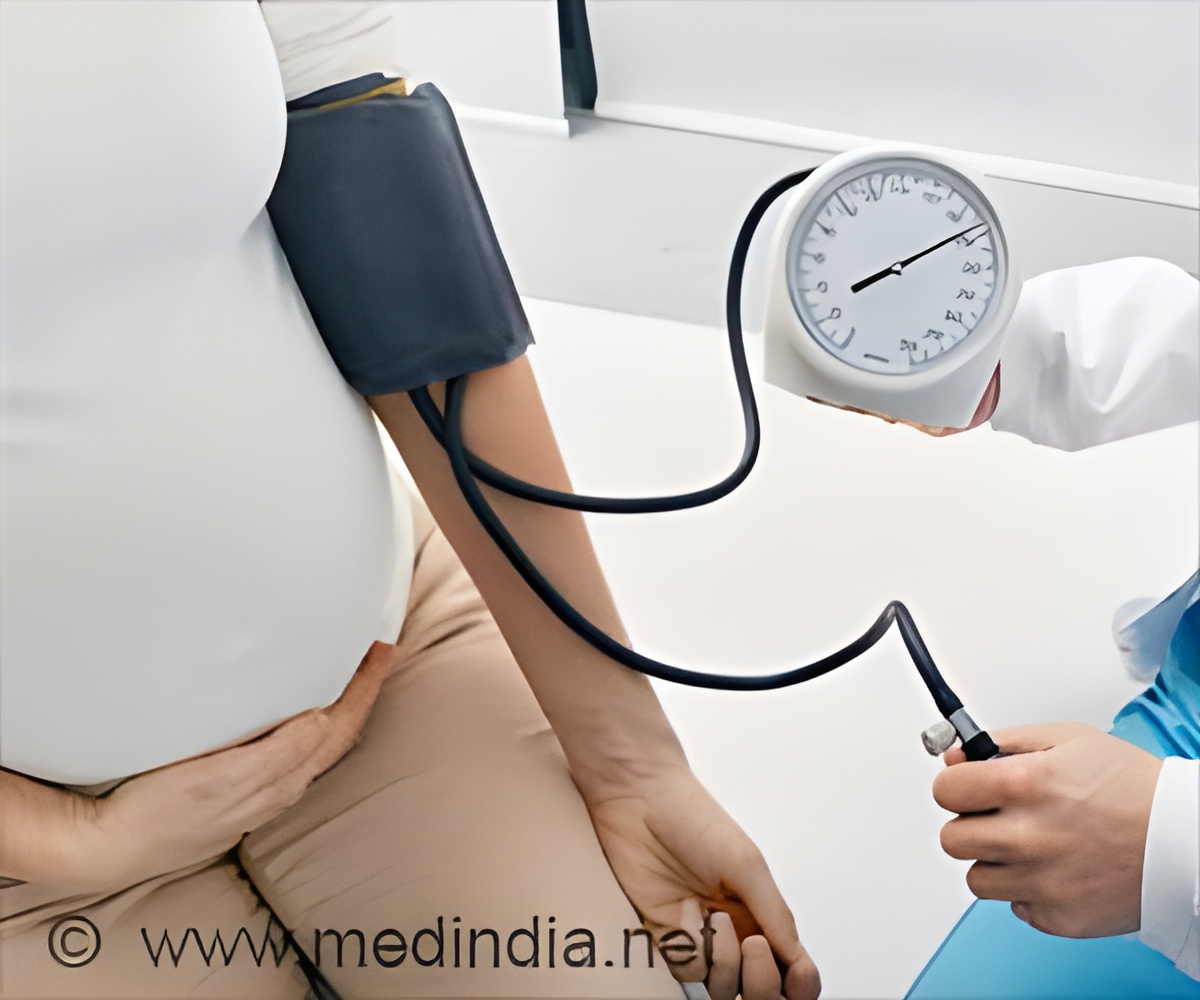
Could new drug candidates change the future of preeclampsia care?
A global review of the preclinical drug pipeline has identified 11 high-potential candidates for further development in the prevention or treatment of preeclampsia and eclampsia.
The review, published in Communications Medicine, analyzed 83 potential candidates studied between 2000 and 2025. Researchers ranked them based on evidence quality, product development stage and implement ability, especially for use in low- and middle-income countries.
Preeclampsia is a serious hypertensive disorder of pregnancy. It can involve high blood pressure, maternal organ dysfunction and impaired placental function. In severe cases, it can lead to eclampsia, maternal death, stillbirth or newborn death.(1✔ ✔Trusted Source
Pre-eclampsia. WHO Fact Sheet. 2025.
Despite its global burden, treatment options remain limited. Delivery of the baby and placenta is still the only definitive cure.
Advertisement
11 Candidates Ranked as High-Potential Therapies
Researchers identified 11 candidates as high-potential for further investigation. These included repurposed drugs such as cyclosporin A, gefitinib, azathioprine and sufentanil.
The list also included the repurposed biologic etanercept and dietary supplements such as puerarin, mangiferin and L-ergothioneine.
Other high-potential candidates included newer chemical or biological entities such as rhPlGF, MZe786 and SynB1-ELP-p50i.(2✔ ✔Trusted Source
The global preclinical research and development landscape for pre-eclampsia and eclampsia therapies
The findings suggest that the preeclampsia pipeline is not limited to existing drugs alone. Nearly half of the identified candidates were novel chemical or biological compounds.
Advertisement
Most Candidates Still Need Stronger Evidence
Although 11 candidates were ranked as high-potential, the researchers stressed that none should be treated as ready for routine clinical use. Most preclinical studies carried a moderate risk of bias.This means current findings must be interpreted cautiously.
Pregnancy drug development requires especially strong safety evidence because treatments must protect both the pregnant woman and the developing fetus.
The authors called for better-designed, well-controlled preclinical studies before promising candidates move further toward clinical testing.
Advertisement
Many Therapies Targeted the Same Biological Pathway
A major finding was that many candidates focused on similar disease mechanisms. Among the 83 candidates, 32 were proposed to reduce soluble fms-like tyrosine kinase-1, or sFlt-1, or influence pathways that regulate its release.
sFlt-1 is an anti-angiogenic factor linked to abnormal blood vessel function and placental problems in preeclampsia.
Reducing sFlt-1 may be useful in some forms of the disease. However, the authors warned that sFlt-1-mediated disease may represent only one subset of preeclampsia.
Future research needs to explore a broader range of therapeutic targets, especially for late-onset or term preeclampsia.
Animal Models Do Not Fully Match Human Pregnancy
One of the major barriers in preeclampsia drug development is the difficulty of modeling human pregnancy. Animal models cannot fully replicate the anatomical and physiological complexity of human pregnancy and placental function.
This limits how confidently researchers can translate preclinical findings into human care.
The review suggests that better-matched animal models and organ-on-a-chip systems may help researchers study preeclampsia more accurately.
These models could improve understanding of disease mechanisms, drug safety, pharmacokinetics and treatment response.
Safety During Pregnancy Remains a Key Concern
Safety was one of the most important parts of the ranking process. Among the high-potential candidates, gefitinib was identified as having a documented safety concern during pregnancy because it inhibits the epidermal growth factor receptor, or EGFR.
EGFR plays an important role in placental development. No adverse effects were observed in the specific gefitinib study included in the analysis.
However, the authors emphasized that the absence of identified concerns for other candidates does not prove that they are safe during pregnancy. This is why pregnancy-specific safety studies are essential before any therapy can be considered for clinical use.
Preclinical Pipeline Includes Drugs, Biologics and Supplements
The review found a diverse pipeline of potential therapies. The 83 candidates included drugs, biologics and dietary supplements.
Overall, 55.4% of candidates could be administered orally, which may be important for ease of use and access. However, 51.8% required cold-chain transport and storage.
This could limit use in low-resource settings where cold-chain infrastructure may be weak or inconsistent. Other candidates required injected routes, including intravenous or subcutaneous administration.
These factors matter because a therapy that works in the laboratory may still be difficult to implement in real-world maternal health systems.
Low- and Middle-Income Countries Must Be Considered Early
The researchers assessed implementability with the needs of low- and middle-income countries in mind. This is important because most preeclampsia-related illness and mortality occur in these settings.
A treatment that is expensive, difficult to store or hard to administer may not reach the women who need it most.
Future development should consider cost, route of administration, storage needs, health worker capacity and availability across different healthcare systems.
The goal is not only to discover new therapies, but to develop treatments that can be safely and equitably delivered.
Clinical Trials in Pregnancy Remain a Major Challenge
The authors noted several barriers to moving promising candidates forward. These include limited industry engagement, regulatory hurdles, widespread off-label medication use and reluctance to conduct clinical trials involving pregnant women.
Pregnant women have often been excluded from drug development because of safety concerns. However, this can leave major evidence gaps and force clinicians to use treatments without enough pregnancy-specific data.
The review suggests that carefully designed, ethical and well-regulated research is needed to improve treatment options for serious pregnancy complications.
Better Target Diversity Is Needed
The review found that the preclinical pipeline spans 37 distinct molecular targets. This shows some biological diversity in the field.
However, the strong focus on sFlt-1-related pathways suggests that therapeutic development may still be too narrow. Preeclampsia is not a single uniform disease.
It can vary by timing, severity, placental involvement, maternal risk factors and underlying biology.
Future research may need to identify different treatment strategies for different preeclampsia subtypes.
New Therapies Could Reduce Maternal and Newborn Harm
Preeclampsia affects about 4 million women worldwide each year. The condition can lead to serious complications for both mother and baby.
These include maternal organ damage, seizures, premature delivery, stillbirth and newborn death. Current medicines can help manage blood pressure and prevent seizures, but they do not cure the underlying disease.
This makes new therapy development an urgent maternal health priority.
Promising Candidates Need Careful Next Steps
The review offers a roadmap for prioritizing preeclampsia and eclampsia therapy candidates. The 11 highest-ranked candidates may deserve further study, but the authors caution that promise in preclinical research is only the beginning.
Stronger evidence, better disease models, pregnancy-specific safety testing and carefully designed clinical trials are needed before these candidates can enter routine care.
The findings also reinforce a broader message: maternal health drug development needs more investment, more therapeutic diversity and more attention to real-world access.
For women affected by preeclampsia, the hope is that today’s preclinical pipeline could eventually lead to safer, more targeted treatments that improve outcomes for mothers and babies.
References:
- Pre-eclampsia. WHO Fact Sheet. 2025.
– (https://www.who.int/news-room/fact-sheets/detail/pre-eclampsia) - The global preclinical research and development landscape for pre-eclampsia and eclampsia therapies- (https://www.nature.com/articles/s43856-026-01784-3)
Source-Medindia