





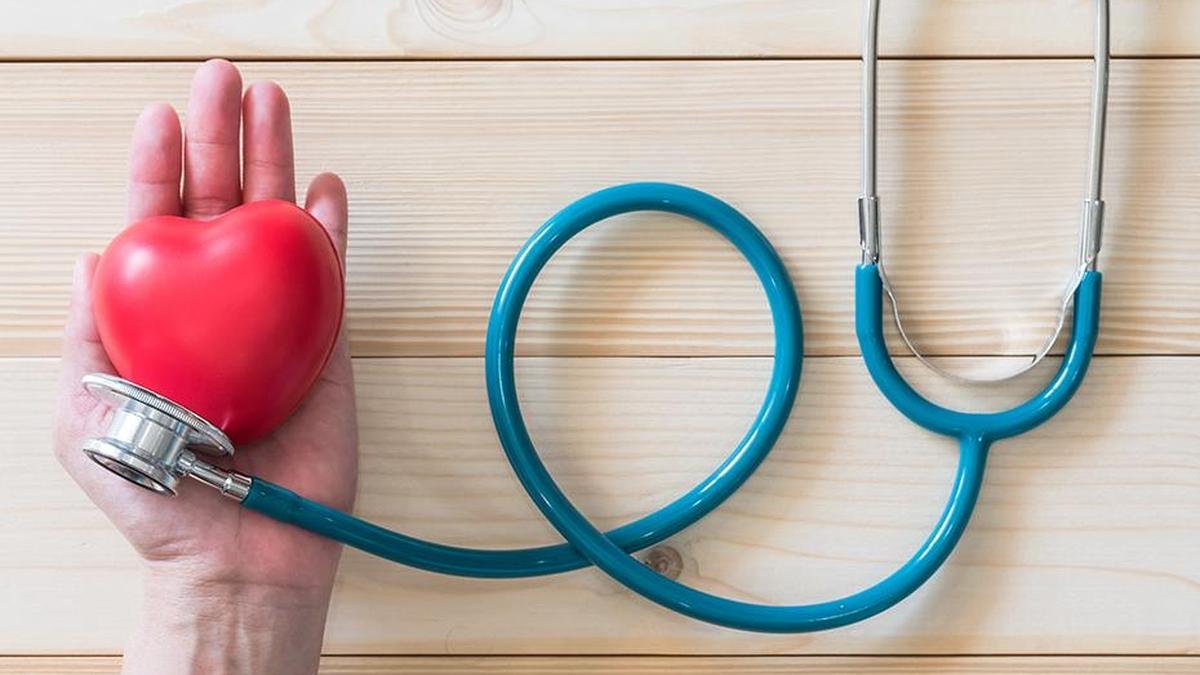


In the event of cardiac arrest, every second that passes without immediate intervention decreases survival rates by 10% to 30%
| Photo Credit: Getty Images/iStockphoto
Every year, thousands of Indians suffer heart attacks outside of a hospital:, at home, in shopping centres and even while walking down the street. However, only a few survive the experience.
The Out-of-Hospital Cardiac Arrest (OHCA) survival rate is estimated to be less than 1% in India, compared to 10-12% in Europe and North America. However, an incident that occurred recently in Chennai shows that when action is taken quickly enough, a near-death experience can have a happy, almost miraculous ending.


Heat, humidity and the heart
In the event of cardiac arrest, every second that passes without immediate intervention decreases survival rates by 10% to 30%. In cities like Chennai, where temperatures regularly soar above 40°C, and the humidity level is more than 70%, the heart has to pump blood faster to reduce body temperature. This greatly increases the likelihood of a sudden cardiac episode, particularly among people who work outside, senior citizens, as well as in diabetics and hypertensive patients.

One patient’s journey
In a recent incident in a shopping mall in Chennai, a diabetic patient had an episode of Out-of-Hospital Cardiac Arrest. His condition deteriorated so badly that he was not breathing nor had any signs of life. It was only because of the instant courageous actions taken by an individual who performed CPR for him that he survived — CPR being the first and most critical link in the chain of survival.
Following his rapid transfer to the hospital, he was handed over to a team of cardiac specialists. A quick angiogram was performed, which revealed that there were three major blockages in his cardiac arteries. The patient’s heart could not function properly as it was weak, and was in cardiogenic shock, which forced the doctors to keep it under IABP (Intra-Aortic Balloon Pump) and urgently perform a coronary artery bypass grafting surgery using beating-heart surgery techniques. The following day, the patient was extubated from the ventilation with clear signs of improvement and recovery, and he was out of bed within 48 hours.

Prompt action can save lives
This patient’s survival and subsequent recovery was no chance event: it was the consequence of all links in the chain of survival functioning perfectly, from recognising the collapse promptly, to the providing by a bystander of CPR, the quick transfer to a hospital, the advanced personalised cardio care, to surgical intervention and post-operative management. Without each and every link functioning well, the individual would not have survived.
India has the lowest percentage of bystander’s CPR in the world, at around 2-4%, whereas many developed nations have more than 40% bystander CPR rates. This gap directly contributes to our poor Out-of-Hospital Cardiac arrest survival rates.
It is important to understand that anyone can perform CPR to save lives. The hot summer months have made this skill vital since heatwaves often lead to an increase in cases involving heart conditions.
Saving a life requires a proactive approach. Just 30 minutes of CPR training can prepare a person to step in when someone collapses and stops breathing. This, combined with prompt medical attentional can help save a multitude of lives.
(Dr. Moosa Kunhi. M.K., is director & chief cardiovascular surgeon at Meridian Hospital, Chennai. doctormoosa@yahoo.com)
Published – May 11, 2026 02:04 pm IST
Author


