







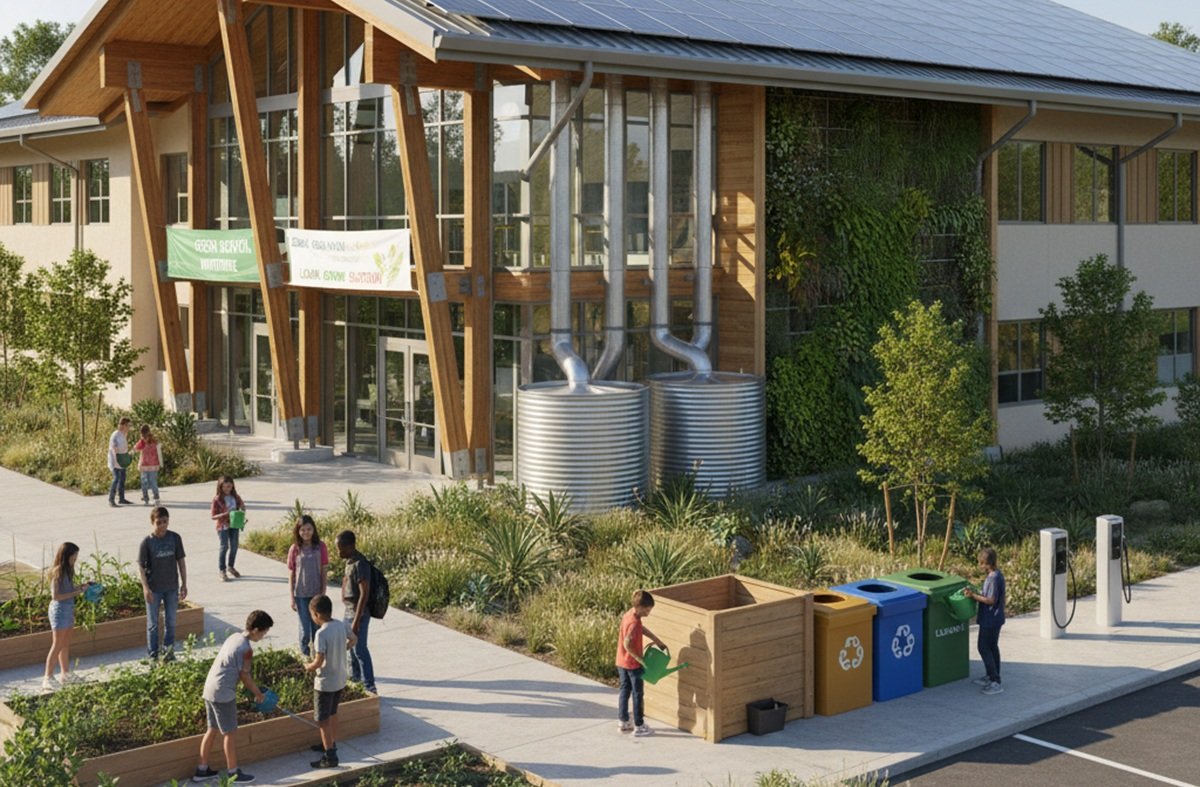
As environmental awareness grows across the world, schools are stepping forward as changemakers. They are not only teaching students about sustainability but also practicing it. Modern educational institutions are now embracing sustainable education practices to reduce their environmental impact, conserve resources, and build responsible attitudes among young learners.
From eco-friendly classrooms to zero-waste initiatives, schools are redefining how education contributes to a greener future. In this article, we’ll explore the major ways schools are adopting sustainable and eco-friendly methods and why these changes matter for students, educators, and the planet.
1. What Are Sustainable Education Practices?
Sustainable education practices refer to teaching methods, school operations, and campus initiatives that promote environmental responsibility. They focus on reducing carbon footprint, minimizing waste, conserving energy and water, and integrating sustainability into everyday learning.
These practices aim to:
- Develop environmentally conscious students
- Reduce school resource consumption
- Encourage eco-friendly habits
- Build long-term sustainability in education systems
Schools worldwide now recognize that sustainability isn’t just a subject—it’s a lifestyle that must be modeled and practiced daily.
2. Eco-Friendly Infrastructure: Building Greener Schools
One of the biggest shifts in sustainable education practices is the redesign of school spaces.
✔ Solar-Powered Campuses
Many schools are installing solar panels to reduce electricity costs and dependence on fossil fuels. Students often participate in energy tracking and learn directly from real-world renewable energy systems.
✔ Green Classrooms
Eco-friendly classrooms use:
- LED lighting
- Natural ventilation
- Energy-efficient fans and ACs
- Smart sensors for lighting control
- Recycled or low-carbon building materials
These steps reduce energy consumption and create healthier learning environments.
✔ Rainwater Harvesting & Water-Saving Systems
Schools implement rainwater harvesting tanks, low-flow faucets, and water recycling systems to conserve water. Students learn how water scarcity affects communities and the importance of mindful usage.
3. Waste Reduction & Recycling Programs
Waste generation is a major issue in schools, but sustainable practices are transforming this challenge into a learning opportunity.
Campus Recycling Drives
Schools now encourage recycling of:
- Paper
- Plastic
- E-waste
- Metal and glass
Bins are color-coded, and students are trained on proper waste segregation.
Zero-Waste Lunchrooms
Many institutions are removing single-use plastics and encouraging:
- Reusable lunch boxes
- Steel bottles
- Compostable plates and cutlery
- Food waste management systems
Food scraps are often reused in school gardens through composting.
Digital Assignments
Replacing paper worksheets with digital platforms dramatically cuts down paper usage—one of the easiest sustainable education practices schools can adopt.
4. School Gardens & Outdoor Learning Spaces
Nature-based education has become a powerful trend. School gardens allow students to:
- Plant vegetables, herbs, and native species
- Understand biodiversity
- Learn responsibility and teamwork
- Practice hands-on environmental science
Gardening also helps students experience the real impact of sustainability—something a textbook cannot deliver.
Outdoor Classrooms
Many schools now hold classes outside to reduce energy use and help students connect with nature. Research shows this improves focus, creativity, and emotional well-being.
Sustainable Transportation Initiatives
Transportation contributes significantly to carbon emissions. Schools are encouraging greener travel options such as:
✔ Carpooling Programs
Families share rides to reduce traffic, fuel consumption, and pollution.
✔ School Buses
Modern, well-maintained school buses reduce emissions compared to individual vehicles.
✔ Walking & Cycling Days
Special events and weekly challenges motivate students to walk or cycle to school safely.
In some cities, schools collaborate with local authorities to build safe cycling lanes around campuses.
6. Integrating Sustainability Into the Curriculum
Sustainability is no longer just a chapter—it’s becoming part of everyday learning.
Environmental Education Modules
Subjects like climate change, biodiversity, recycling, and renewable energy are taught from early grades onwards.
Project-Based Learning
Students work on projects like:
- Creating compost pits
- Building solar-powered models
- Studying local ecosystems
- Designing zero-waste campaigns
Eco Clubs
Eco clubs play a major role in promoting sustainable education practices through awareness campaigns, plantation drives, and green competitions.
This hands-on approach helps students develop real problem-solving skills while learning the value of environmental stewardship.
7. Technology for Sustainability: Going Digital
Technology enables schools to reduce waste and improve environmental education.
Digital Classrooms Reduce Paper Waste
E-learning apps, smart boards, online quizzes, and digital assignments help eliminate unnecessary printing.
Energy Monitoring Systems
AI and IoT tools monitor energy consumption and help schools track carbon footprint reductions.
Virtual Labs
These labs reduce the need for physical chemicals and materials, promoting safe and eco-friendly learning.
8. Collaborations & Community Engagement
Schools that adopt sustainable practices often collaborate with:
- Local environmental NGOs
- Municipal recycling programs
- Renewable energy organizations
- Community groups
Students participate in local clean-up drives, tree plantations, and awareness campaigns—spreading the impact beyond school walls.
These community-focused initiatives help build lifelong habits and inspire families to adopt eco-friendly lifestyles.
9. Why Sustainable Education Practices Matter
Implementing sustainable education practices creates powerful long-term benefits:
For Students
- Builds eco-conscious values
- Encourages leadership and responsibility
- Improves health and well-being
For Schools
- Reduces operational costs
- Improves brand image and trust
- Builds a safer learning environment
For the Planet
- Reduces pollution
- Conserves natural resources
- Promotes greener communities
When schools commit to sustainability, they shape a generation that is informed, empowered, and ready to protect the environment.
Conclusion
Sustainable and eco-friendly education practices are no longer optional—they are essential. Schools worldwide are transforming their campuses, classrooms, and teaching methods to promote a greener future. Whether through renewable energy, waste reduction, green curriculum, or digital innovation, sustainable education practices are shaping responsible global citizens.


